Throughlines
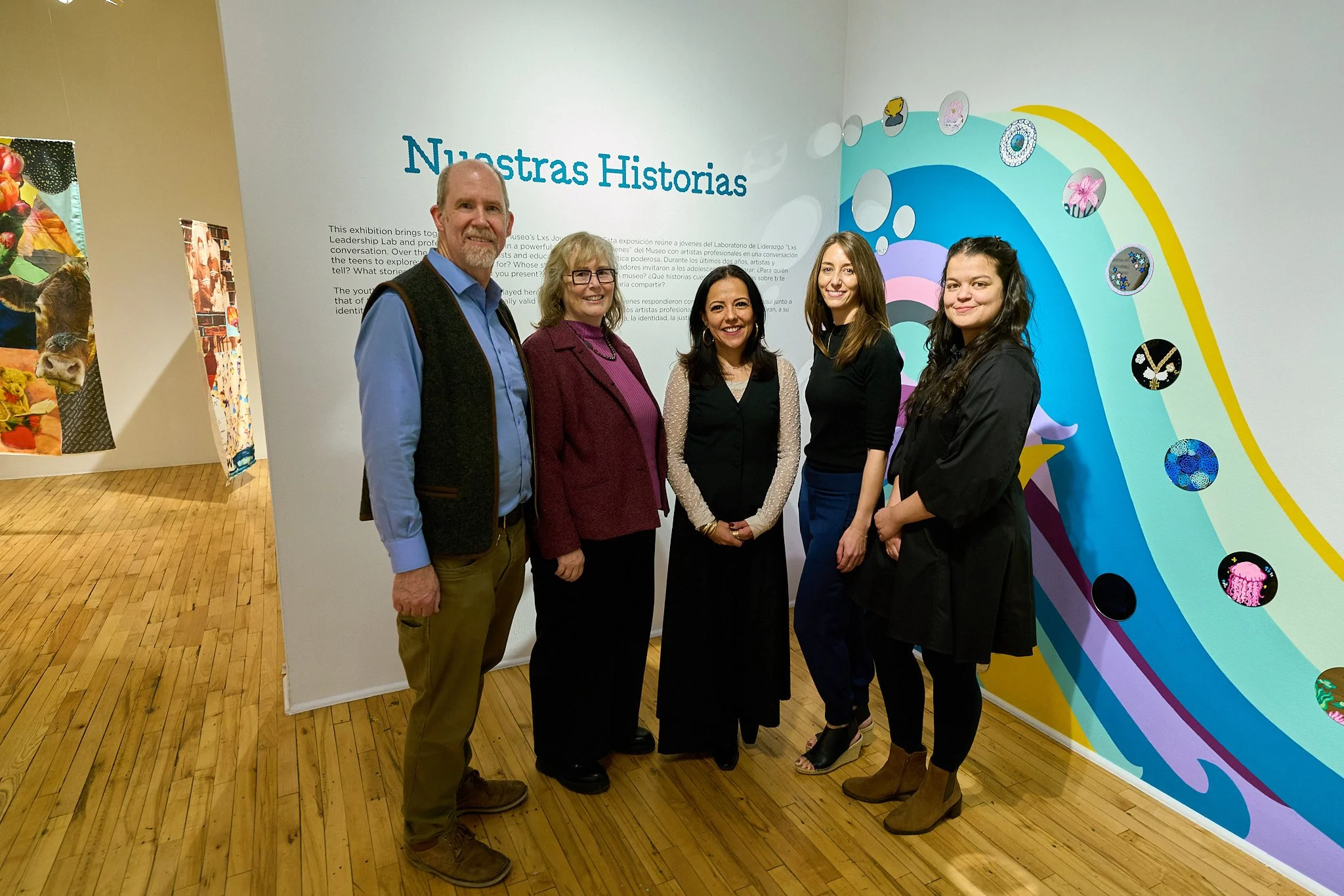
Nuestras Historias | Our Stories
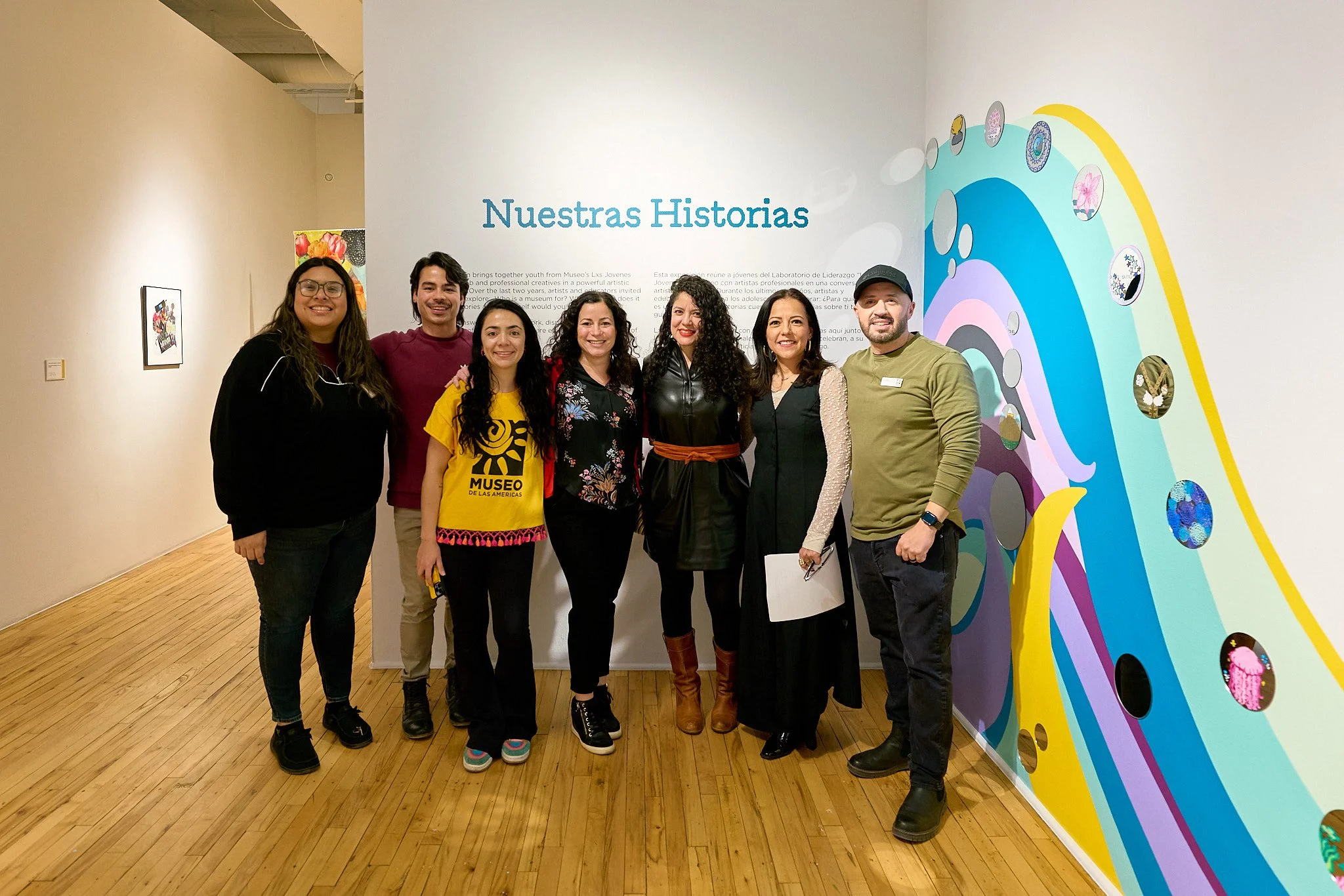
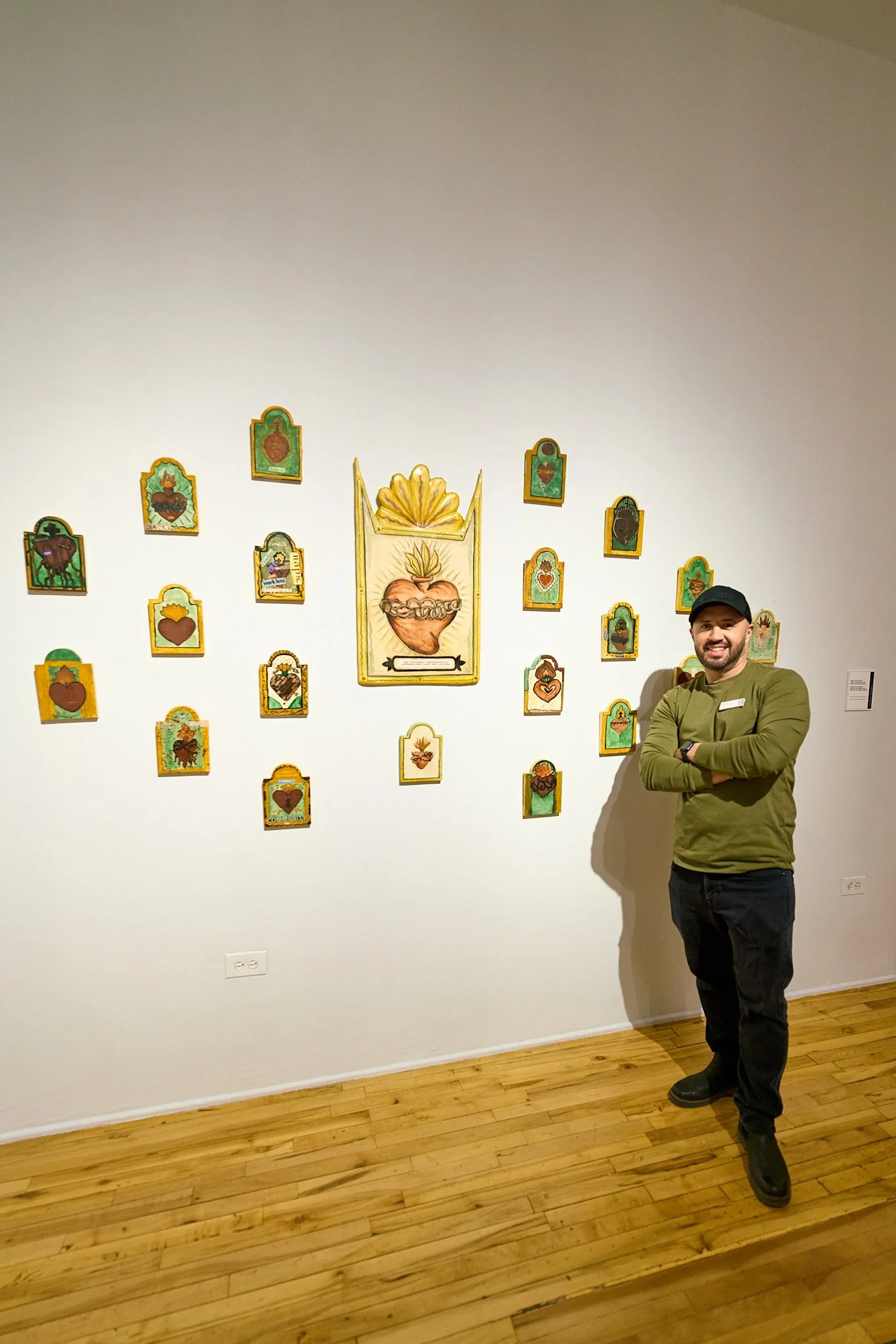
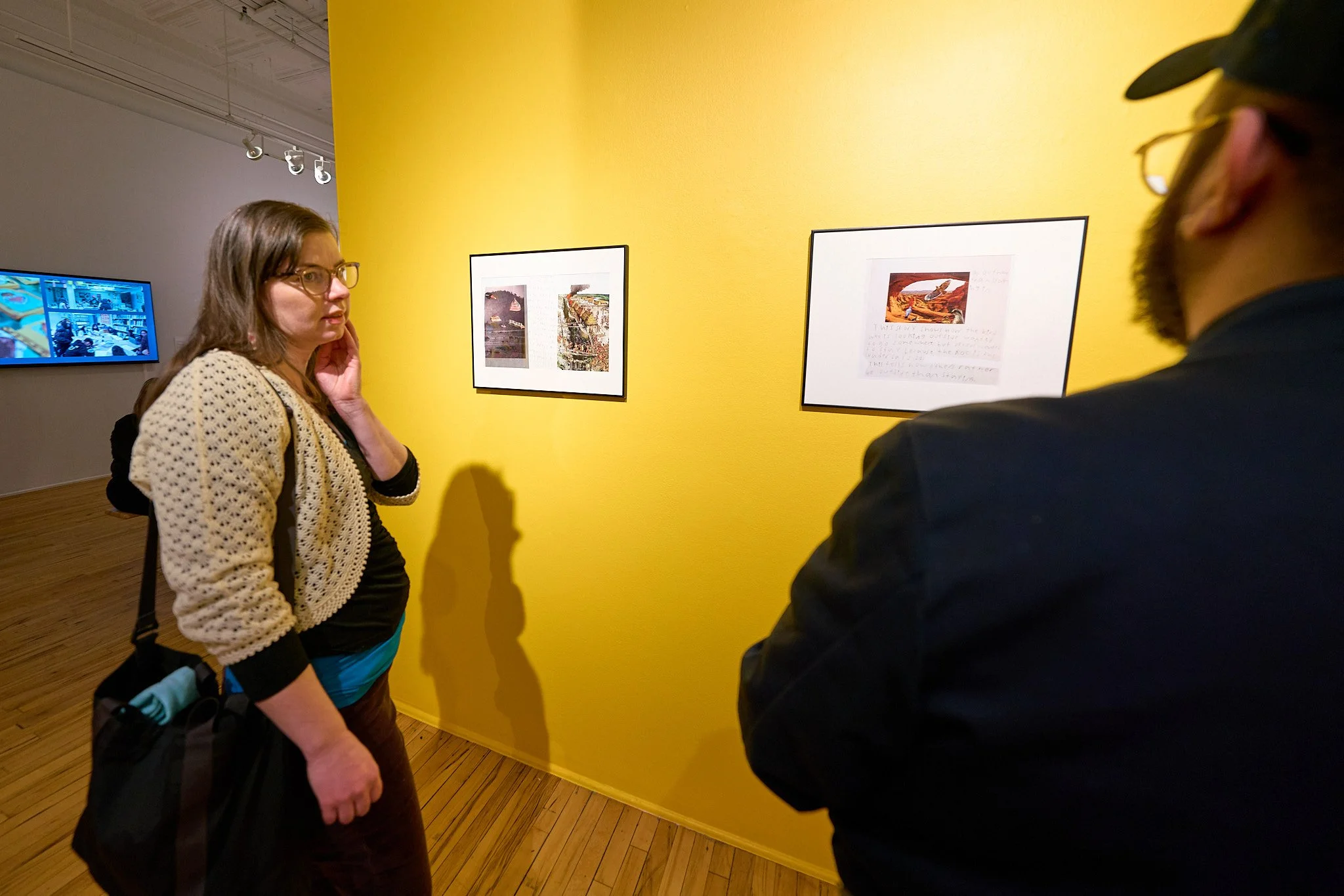
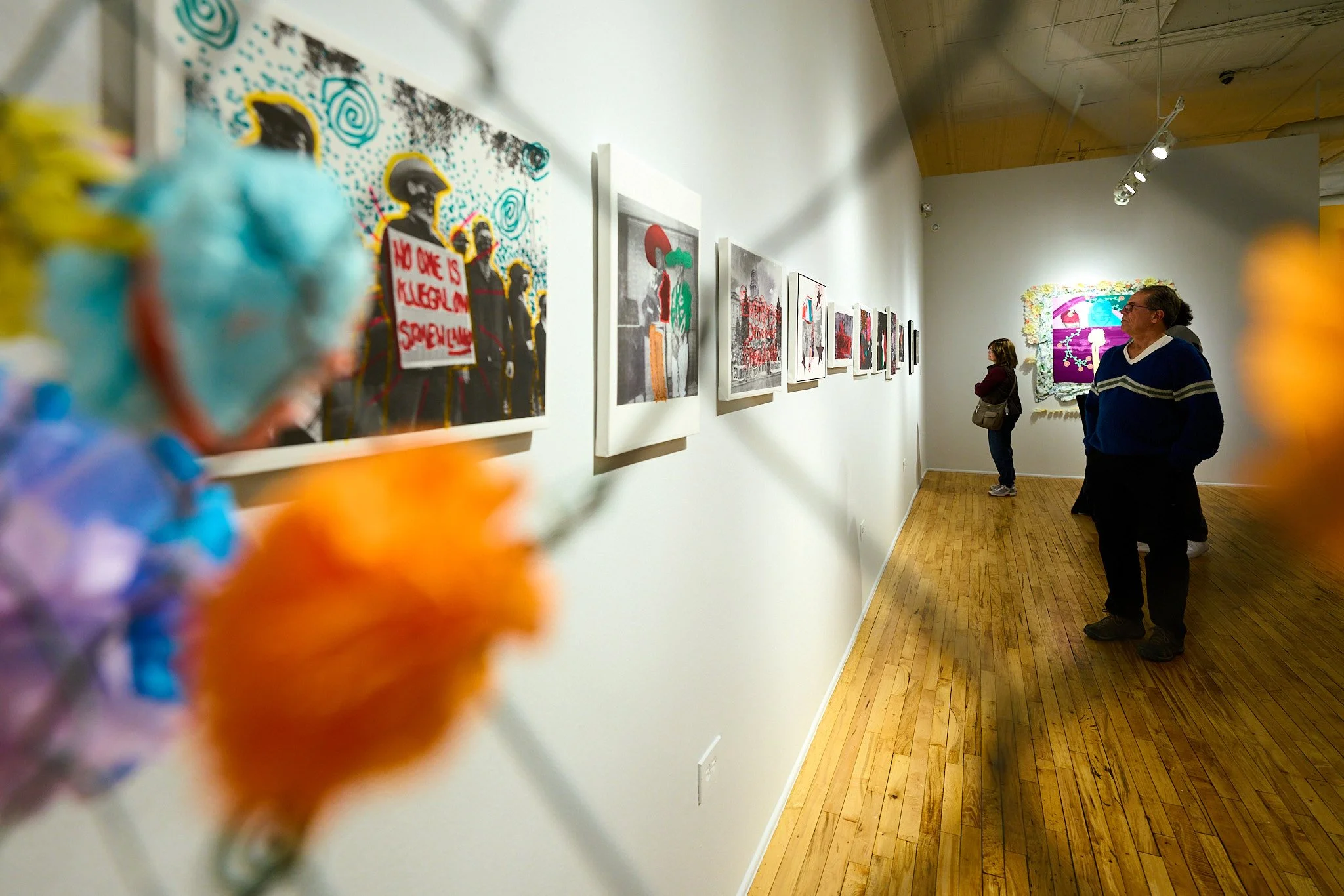
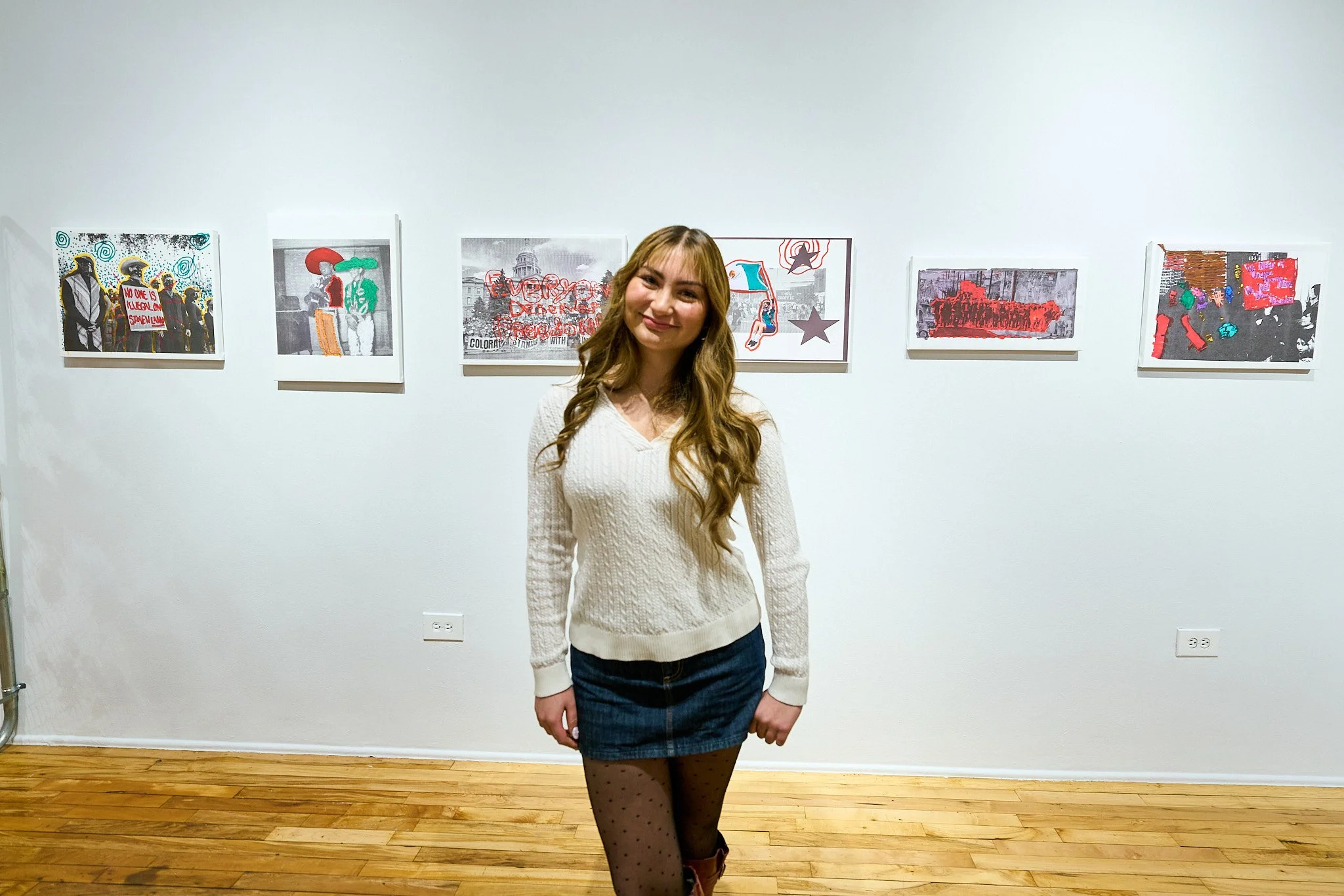
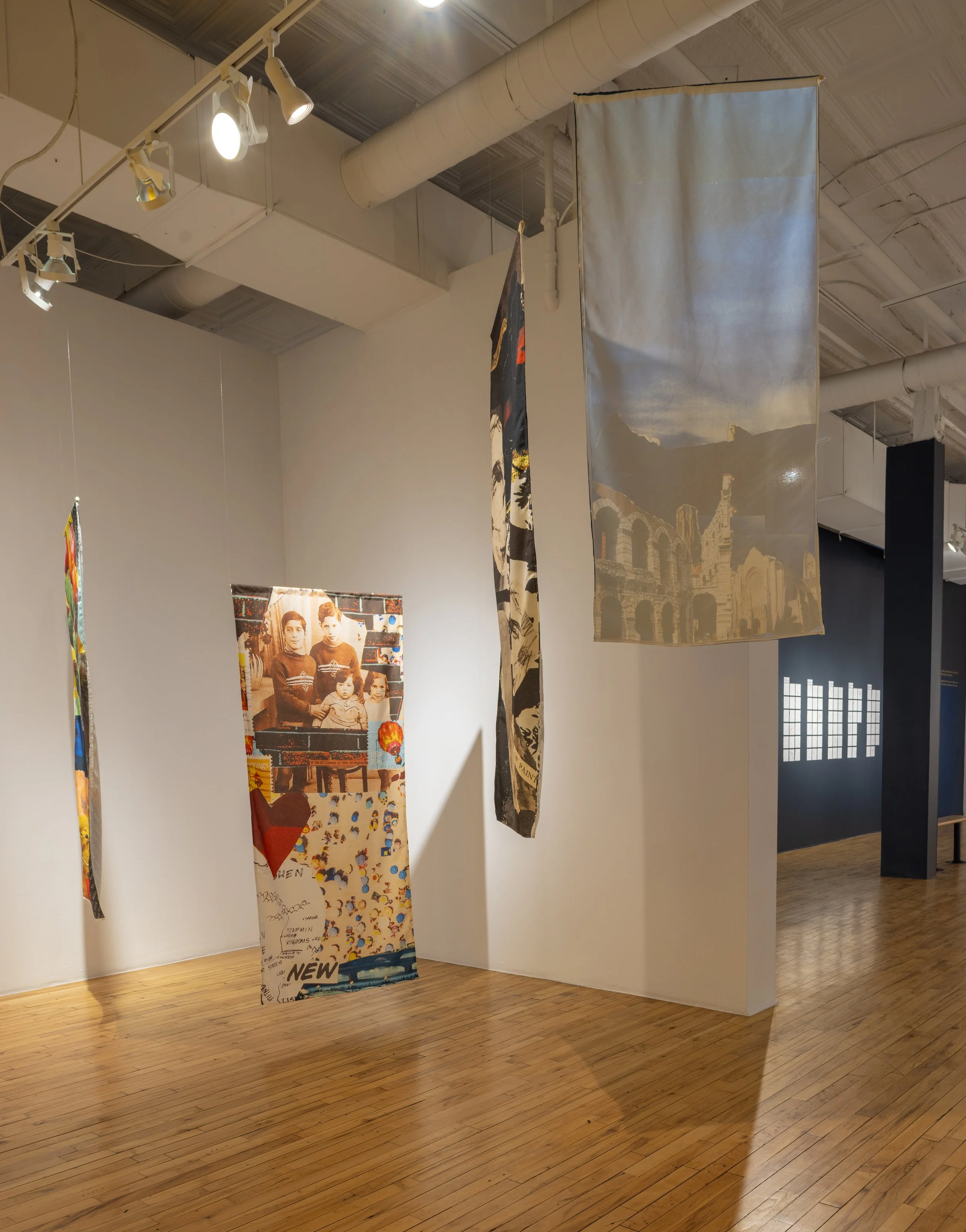
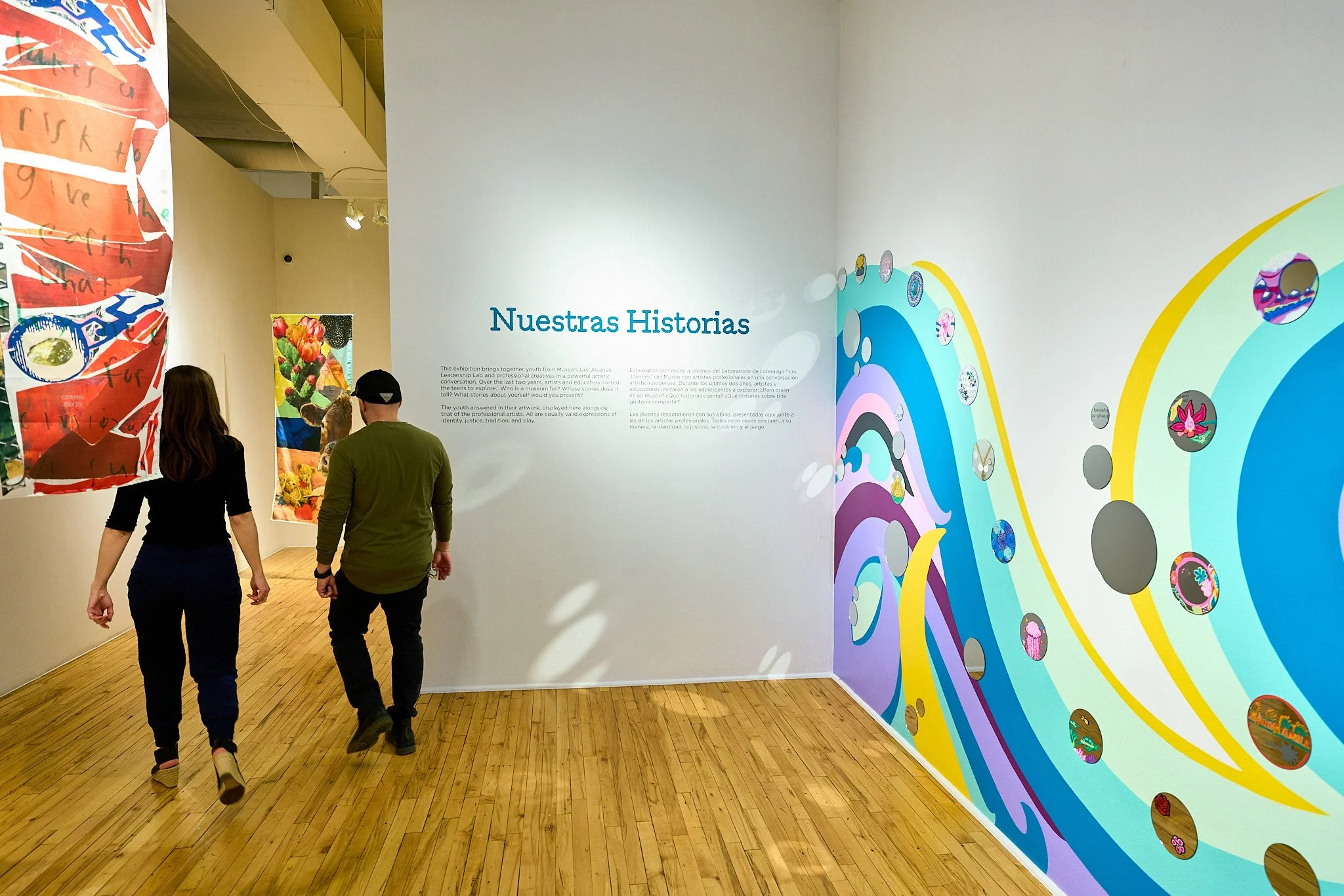
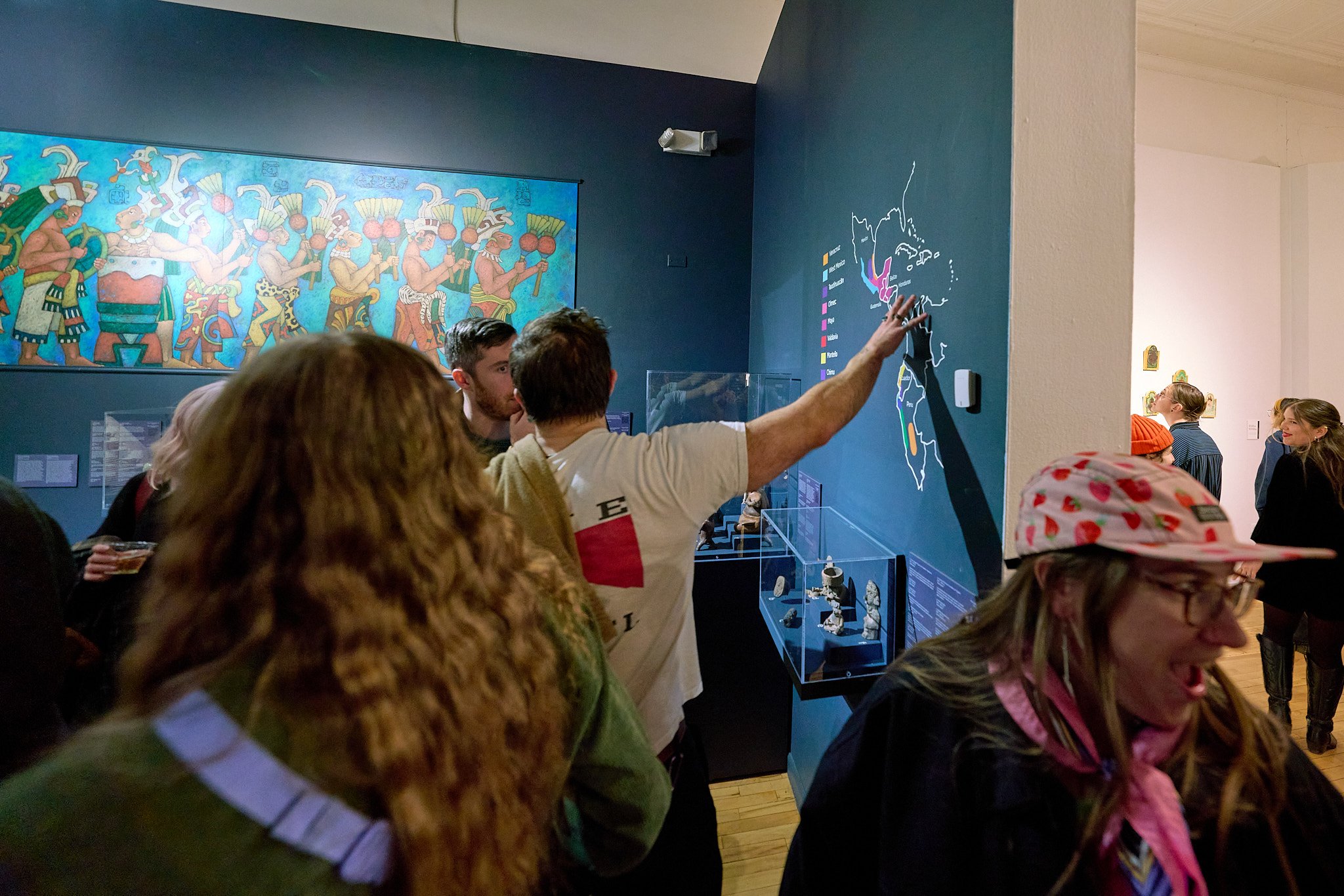
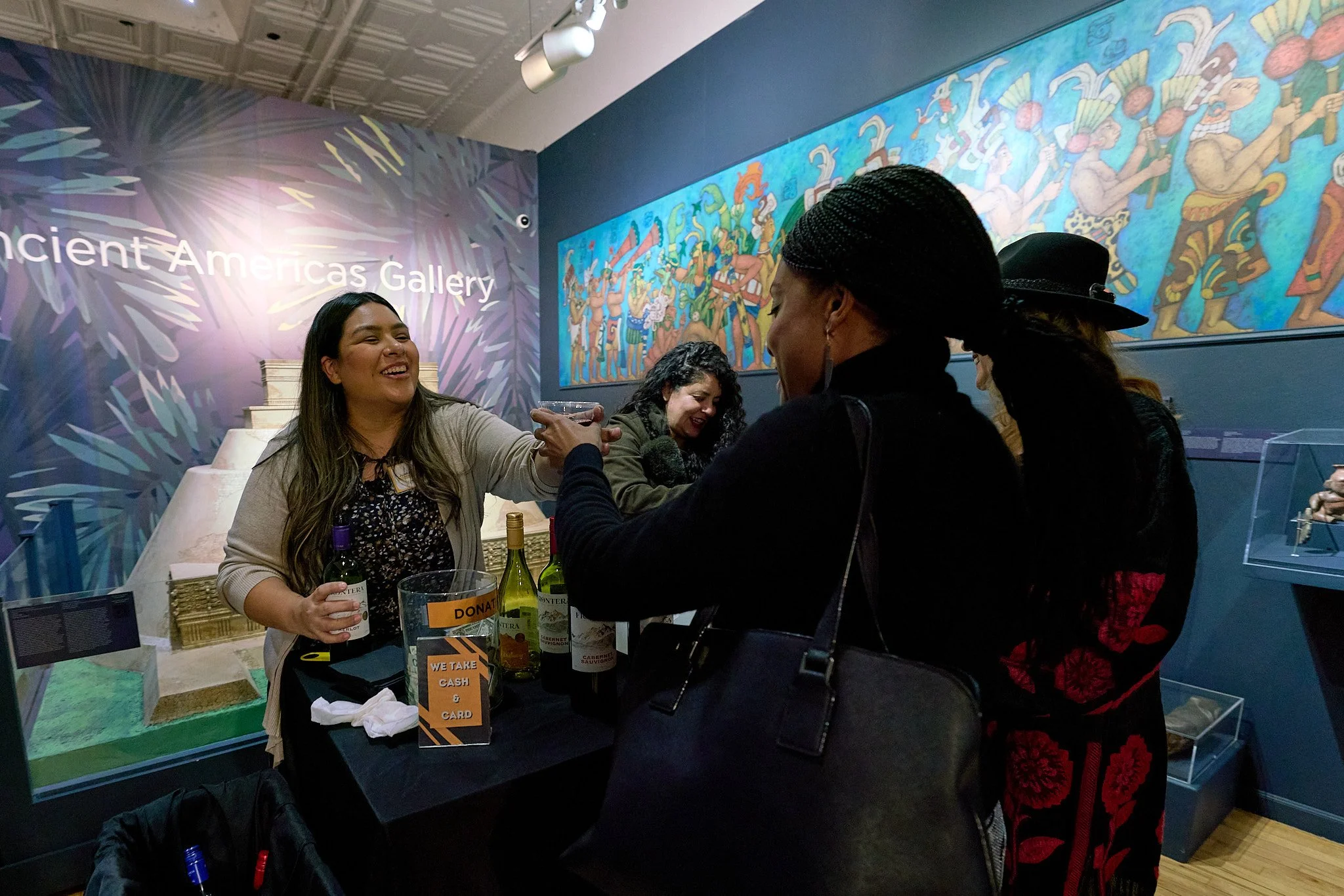
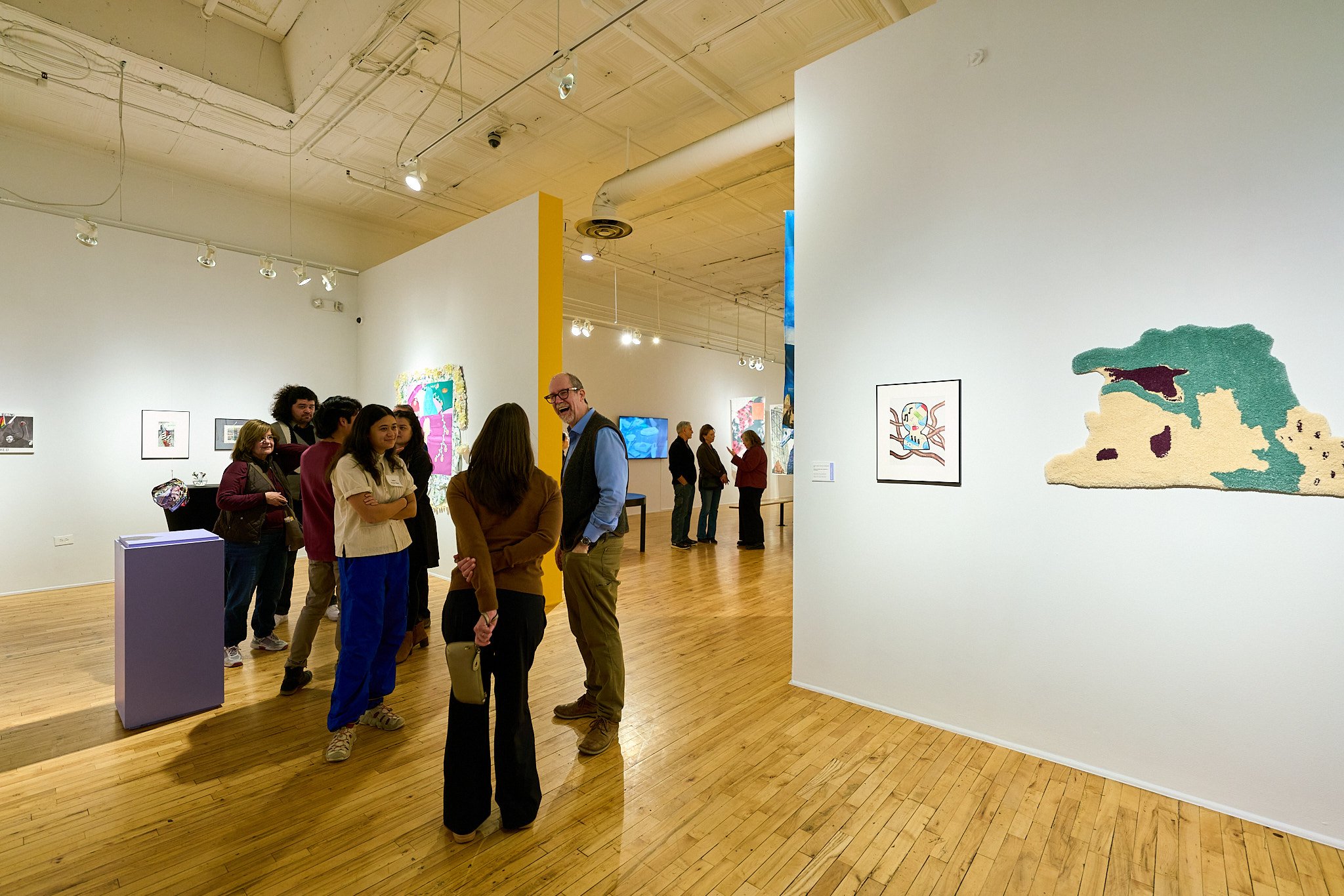
The Nuestras Historias Exhibit is currently displayed at the Museo de las Americas in Denver, CO January 29th to May 17, 2026.
Project description
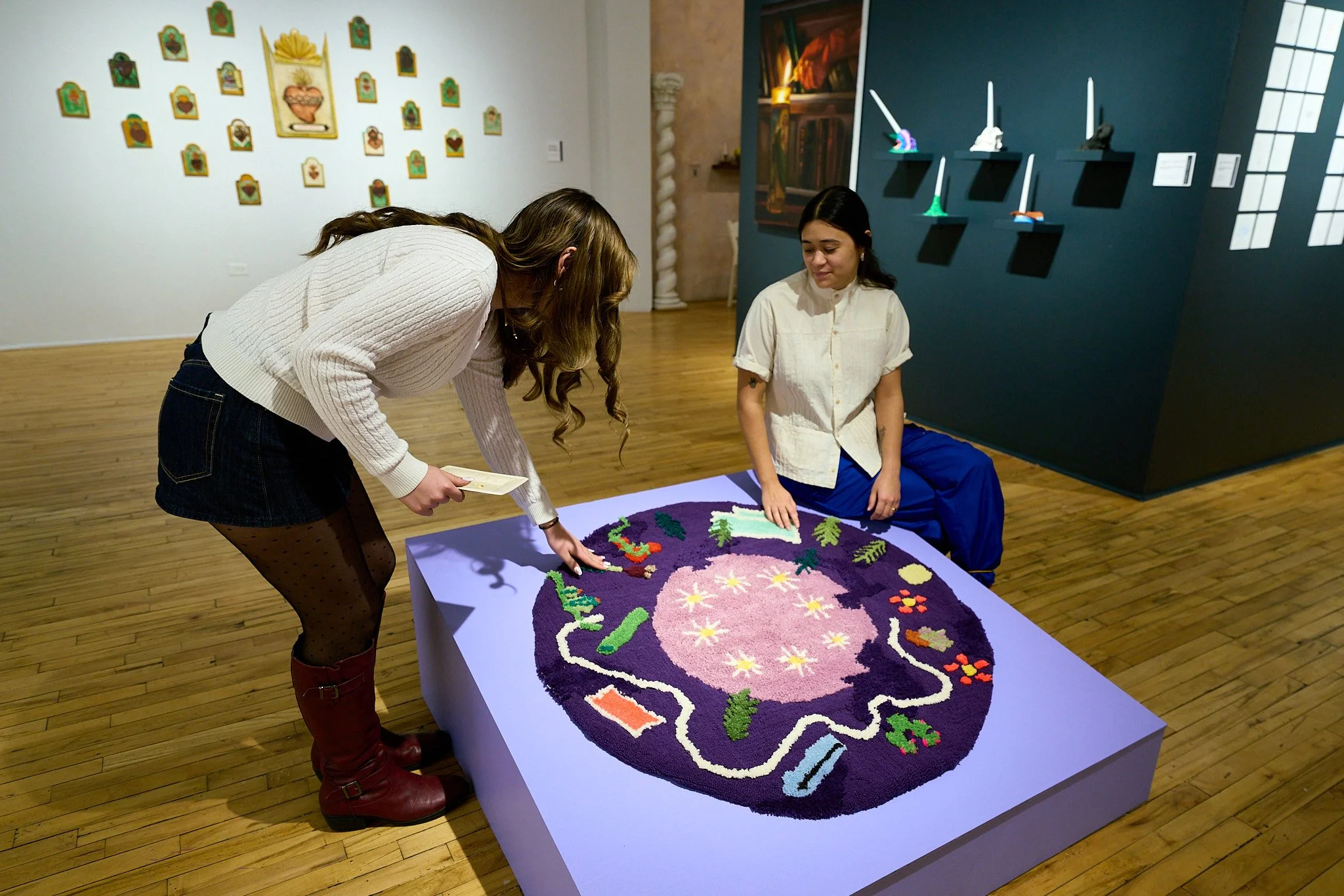
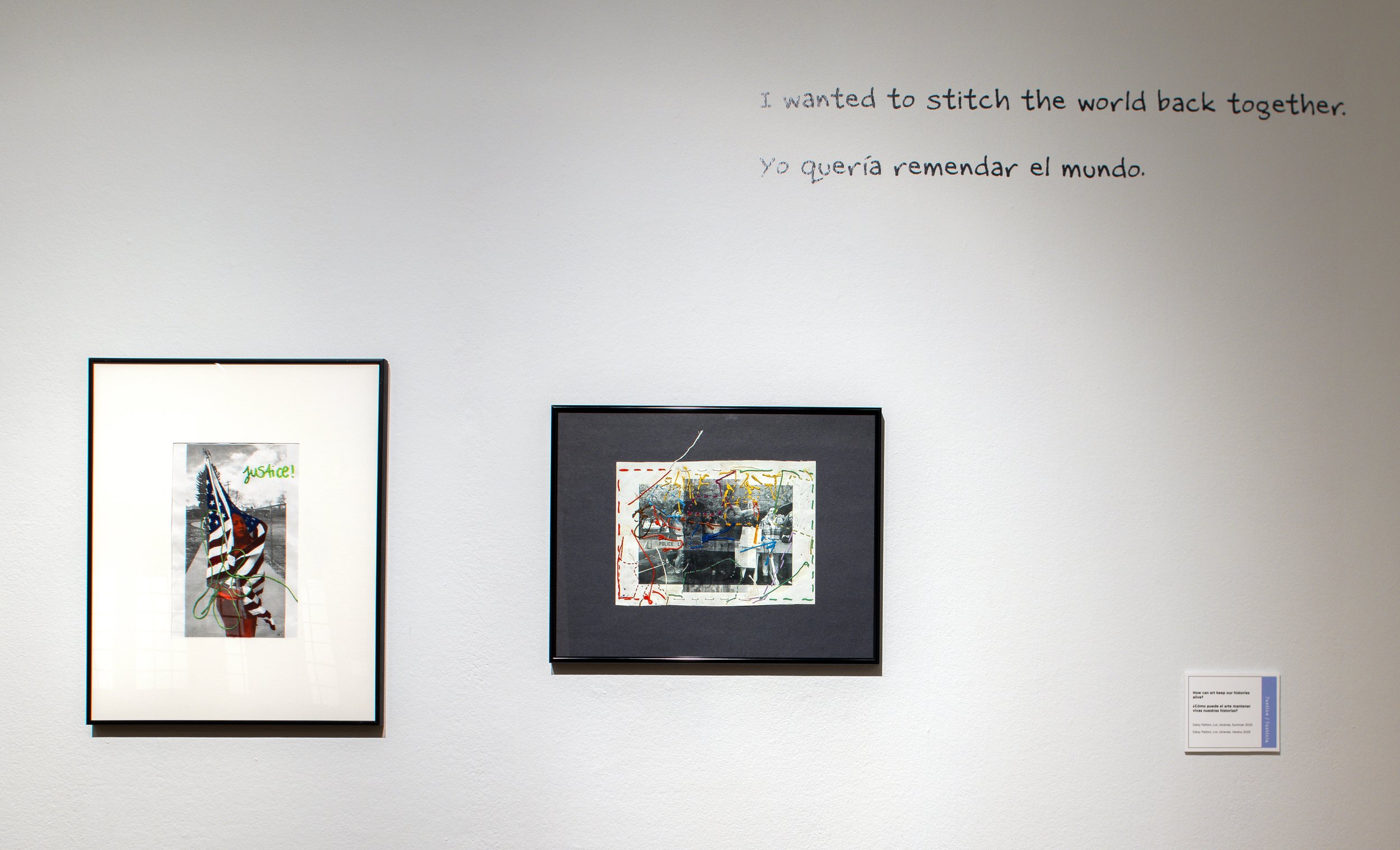
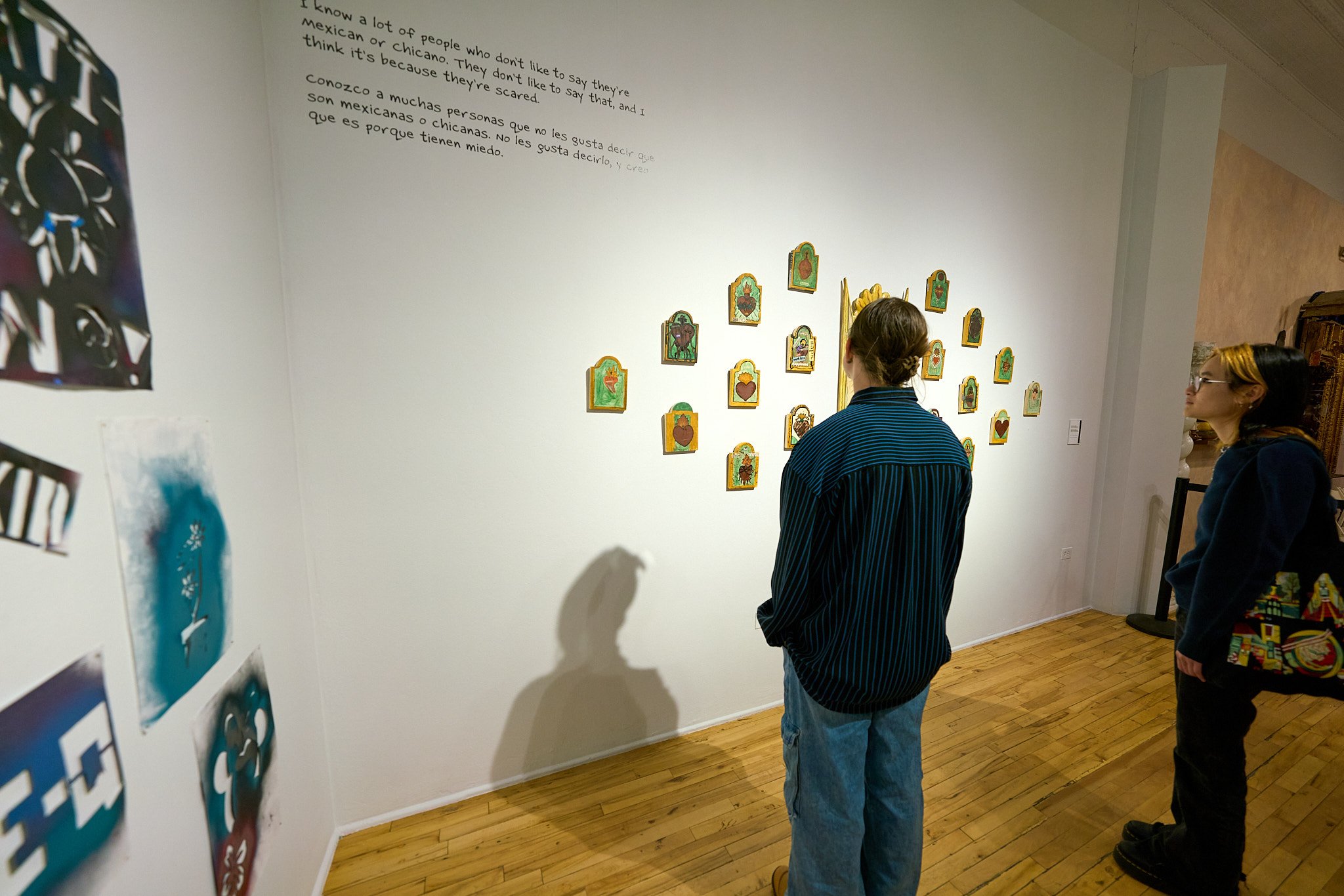
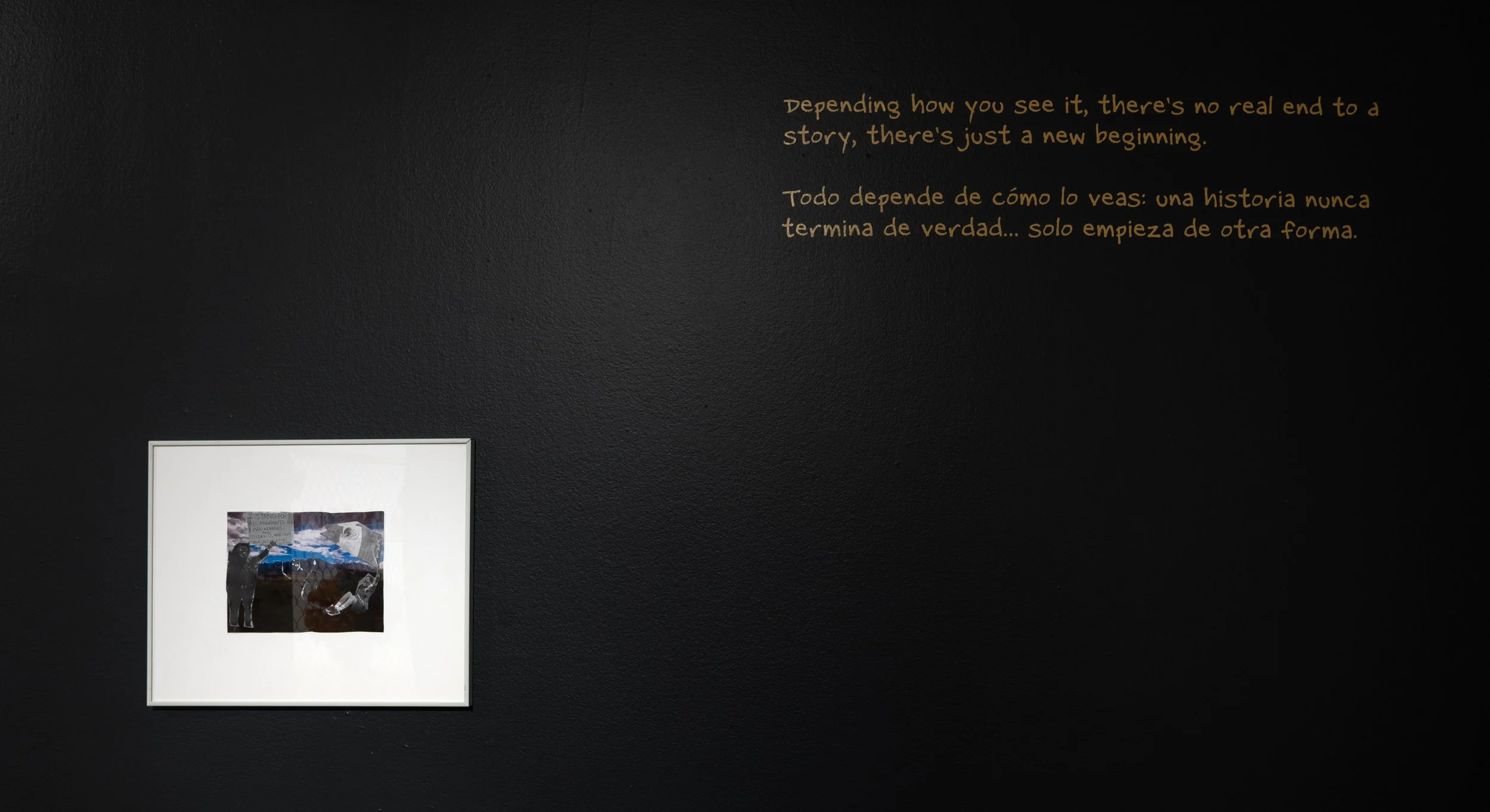
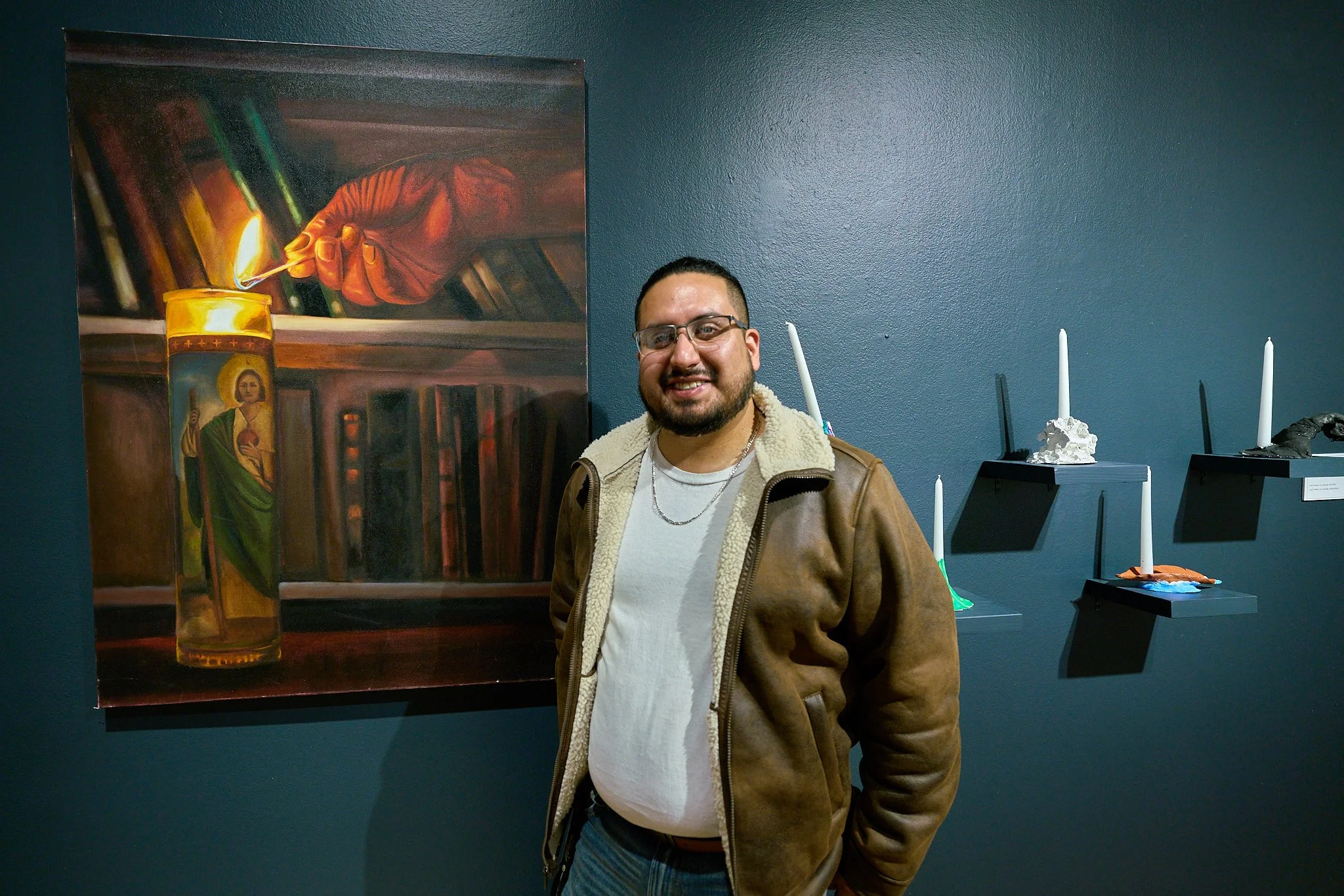
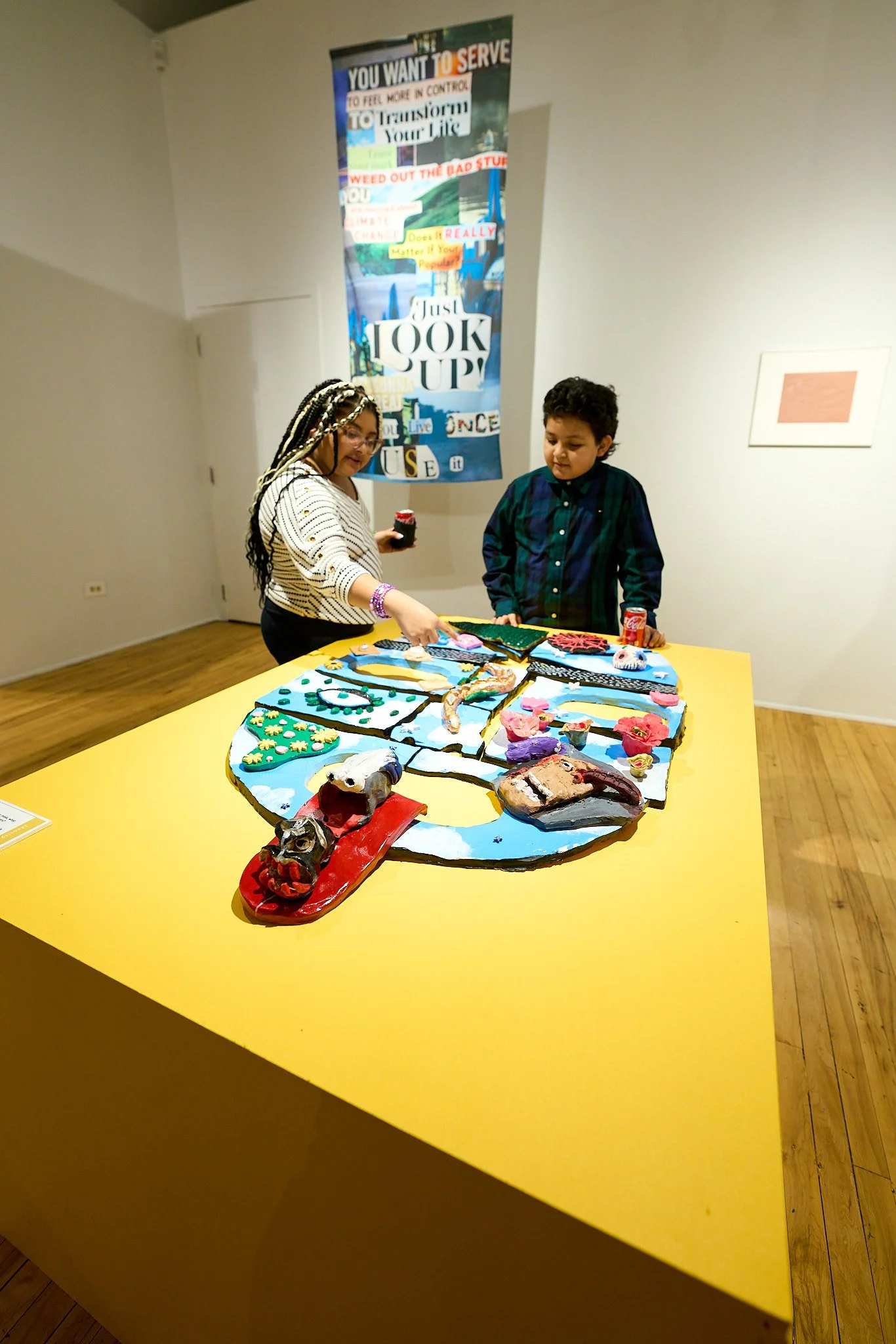
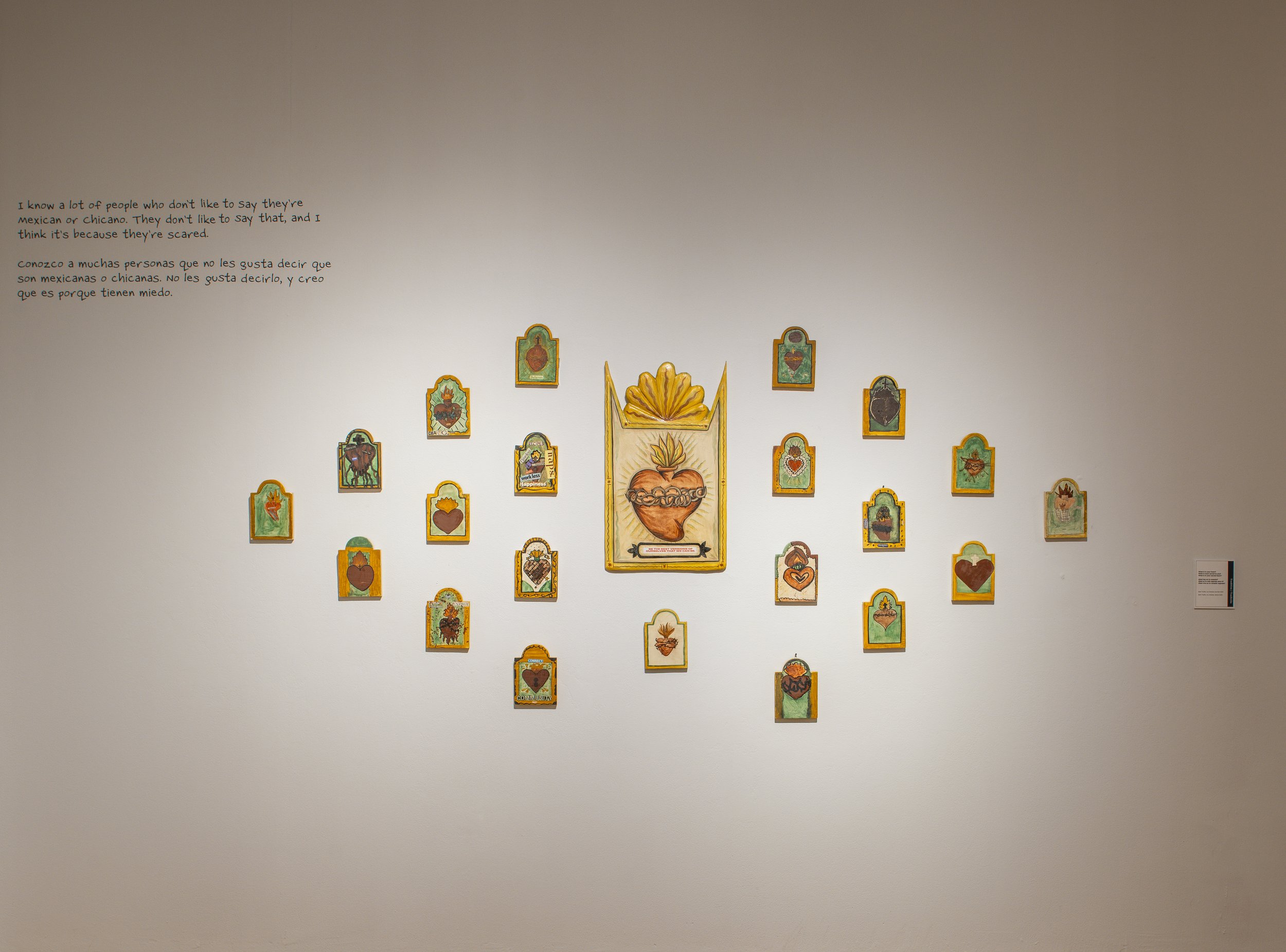
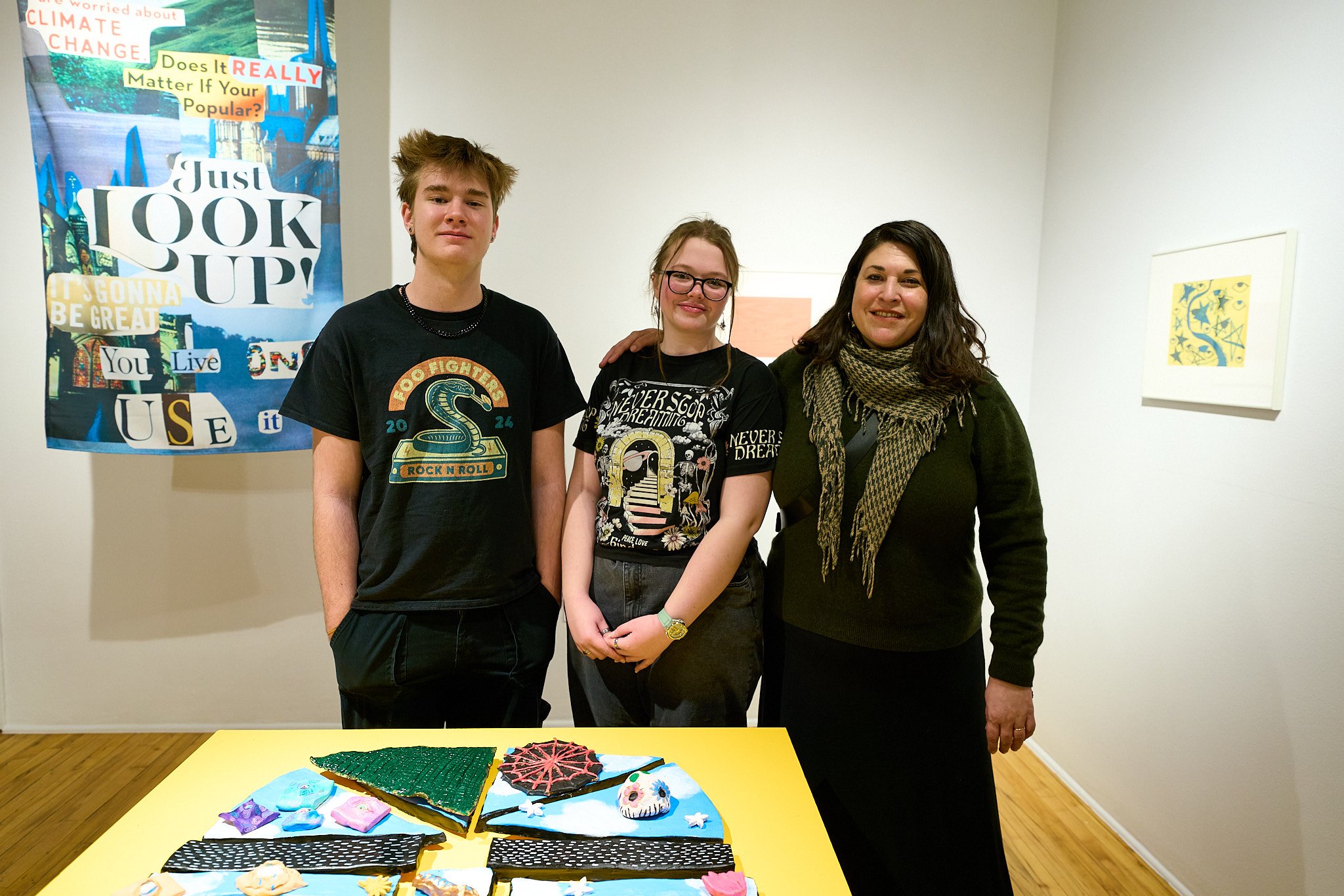
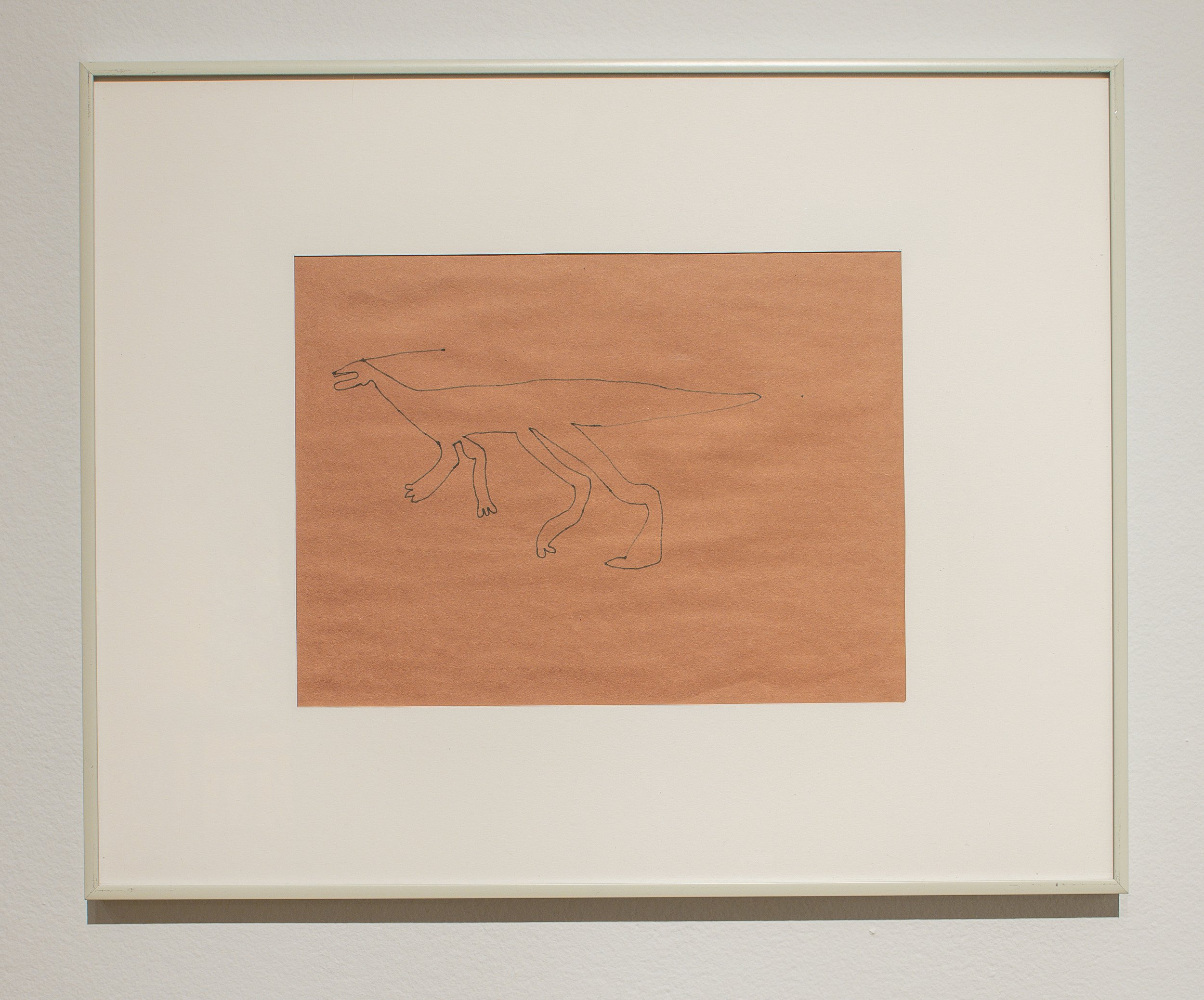
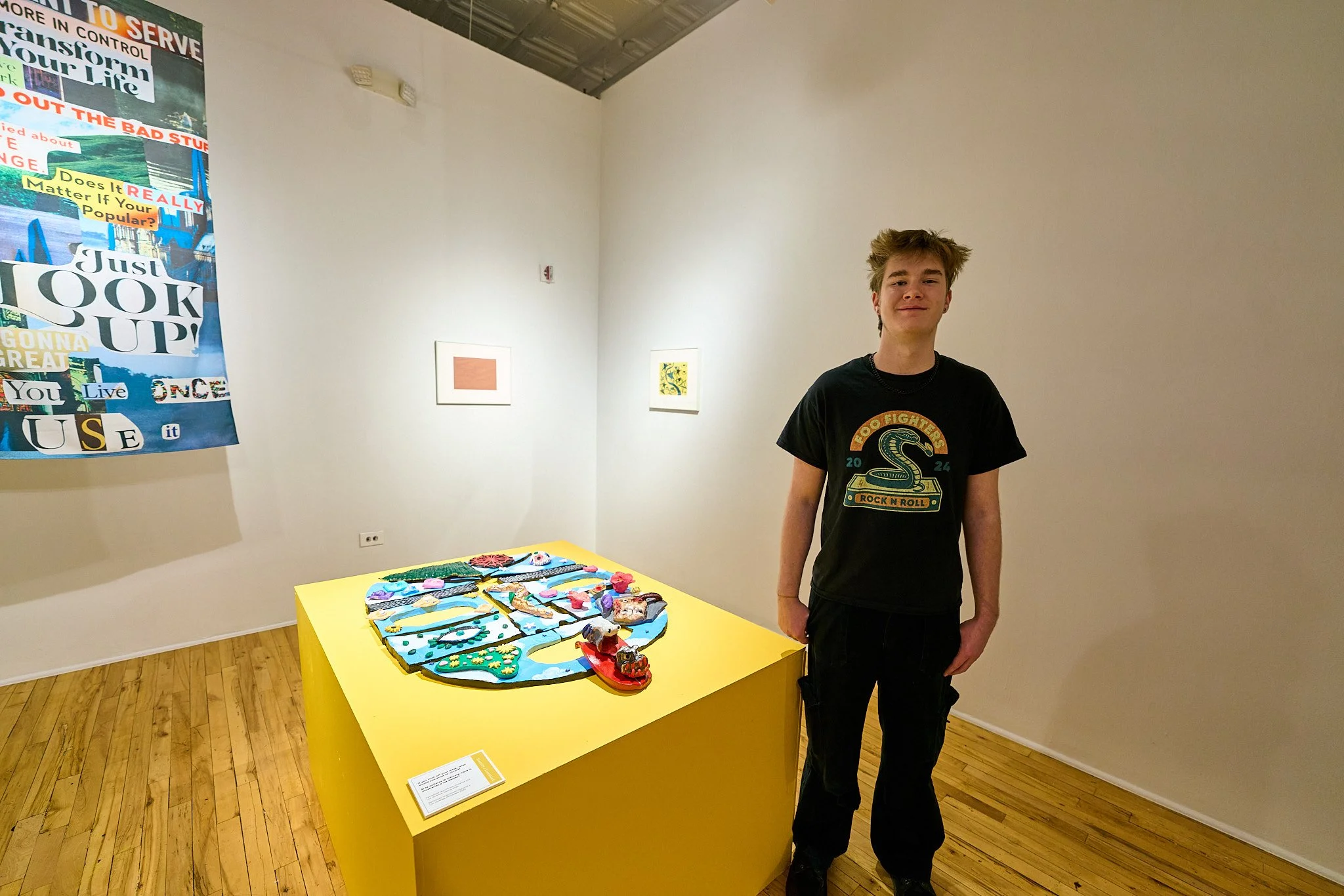
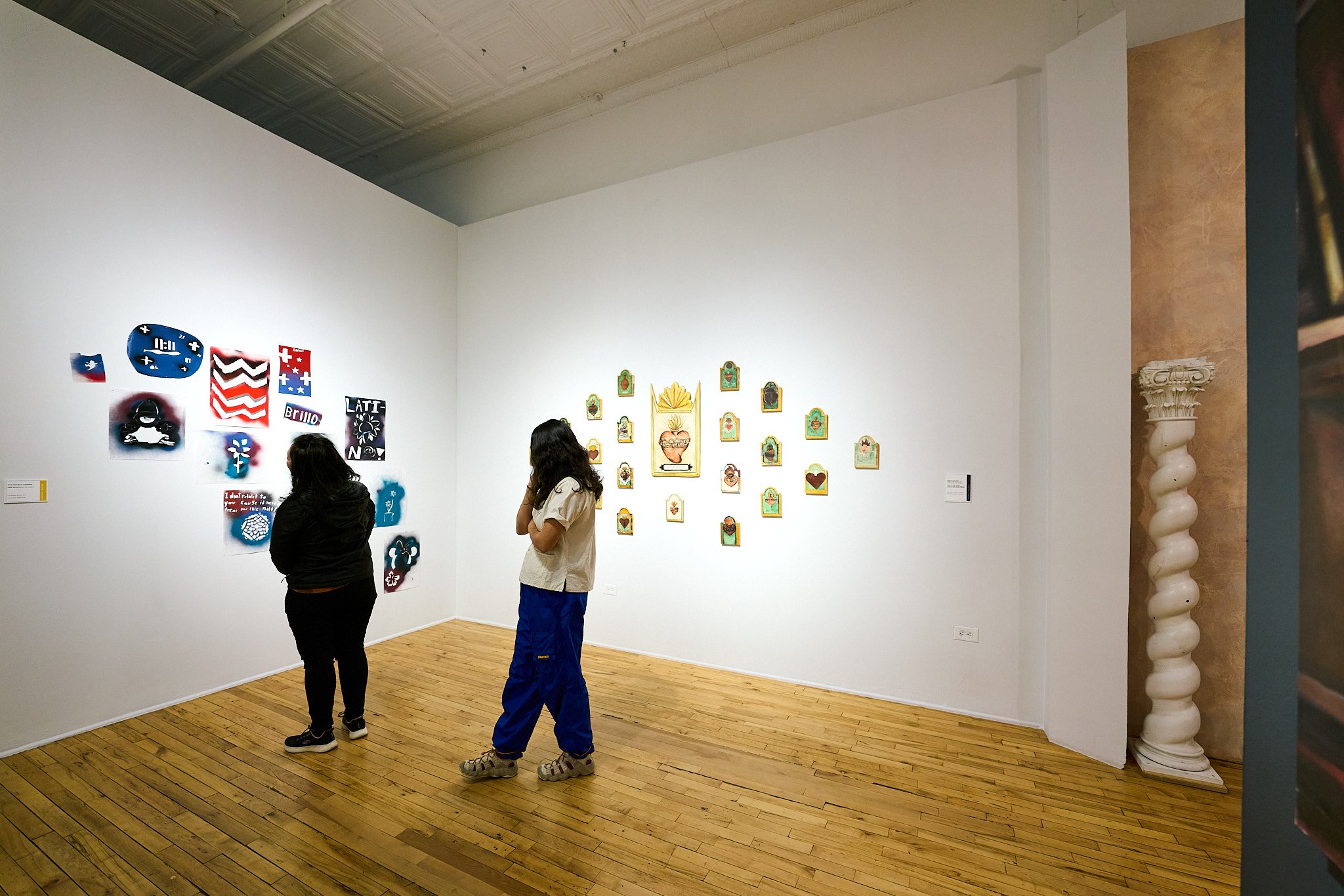
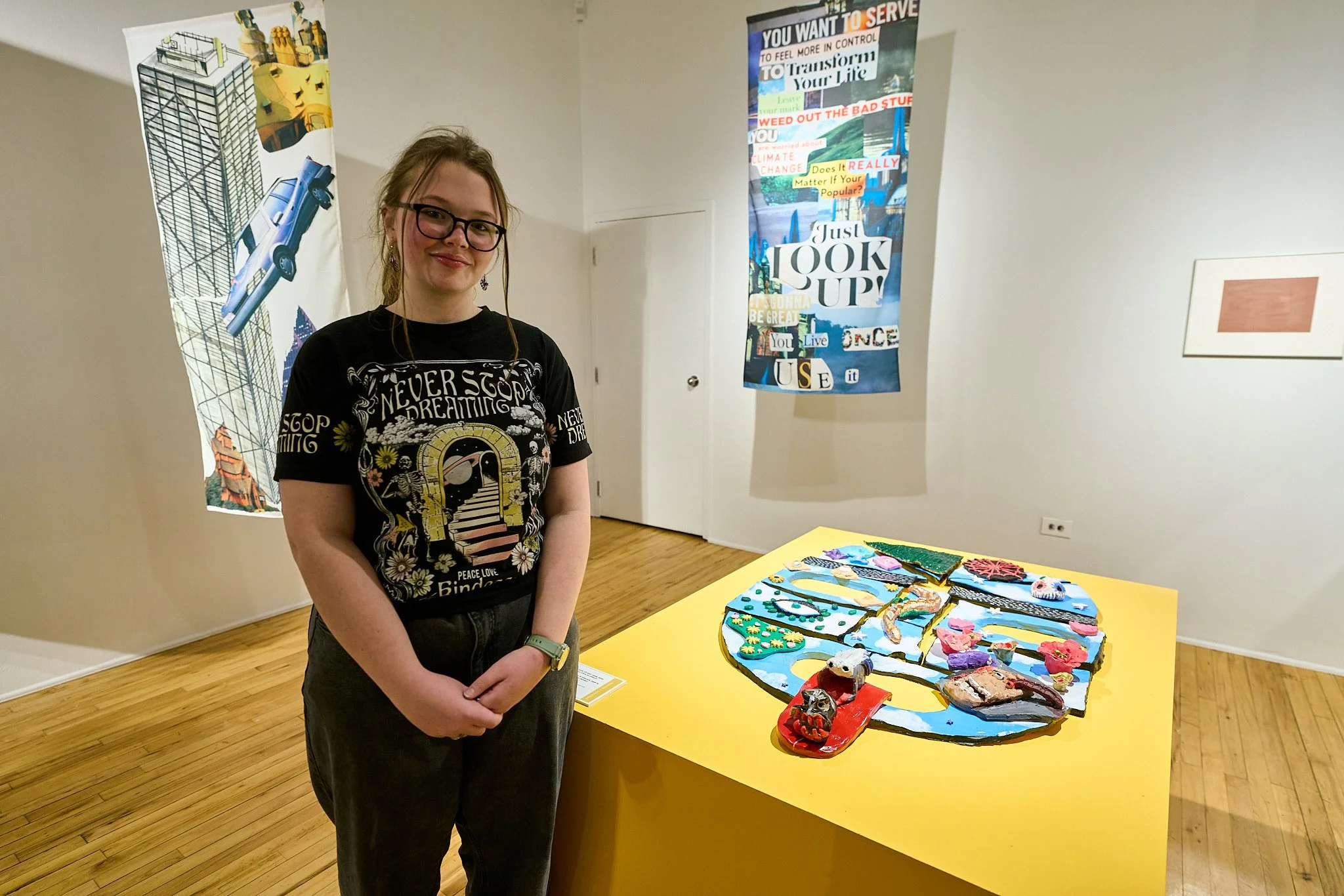
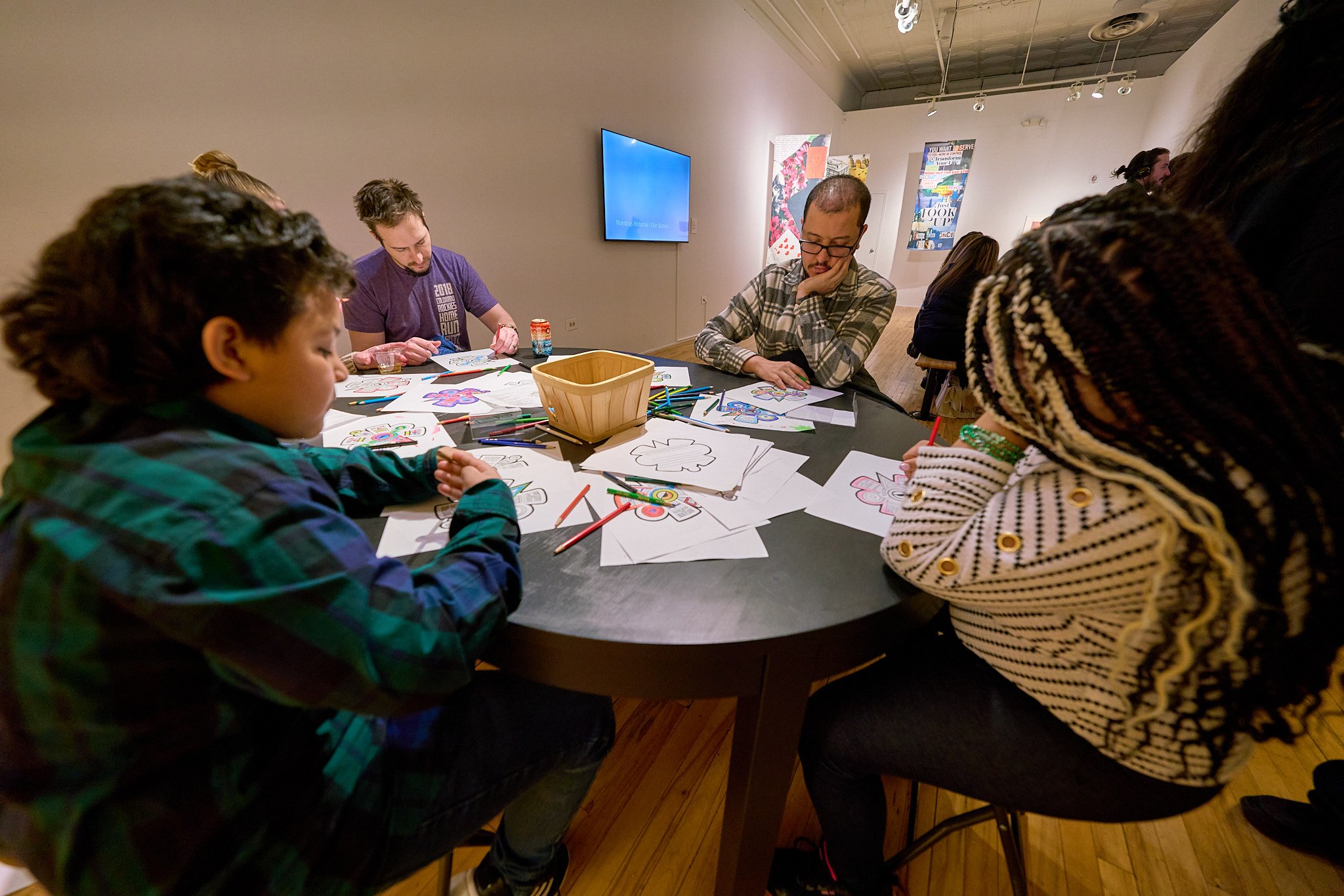
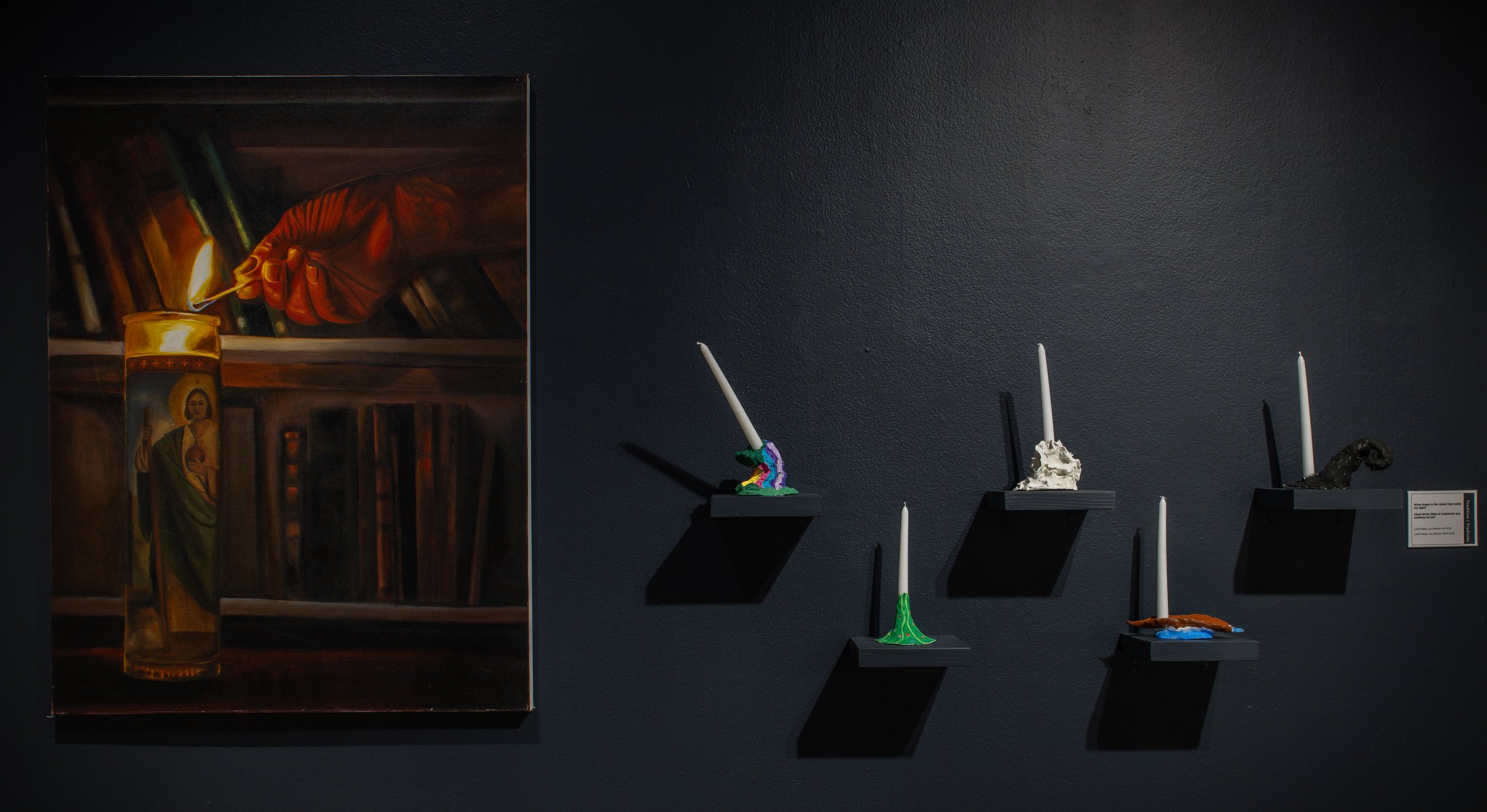
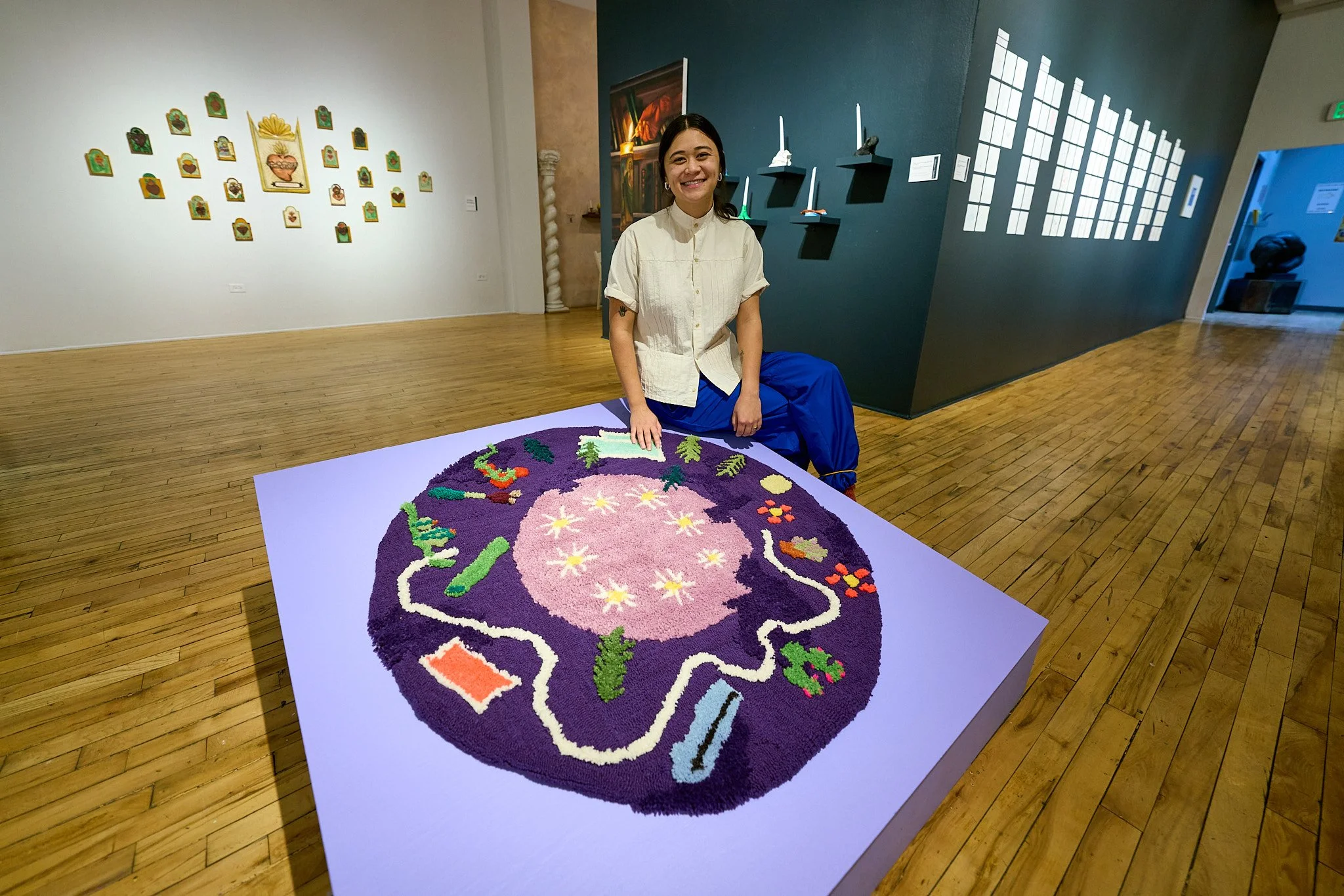
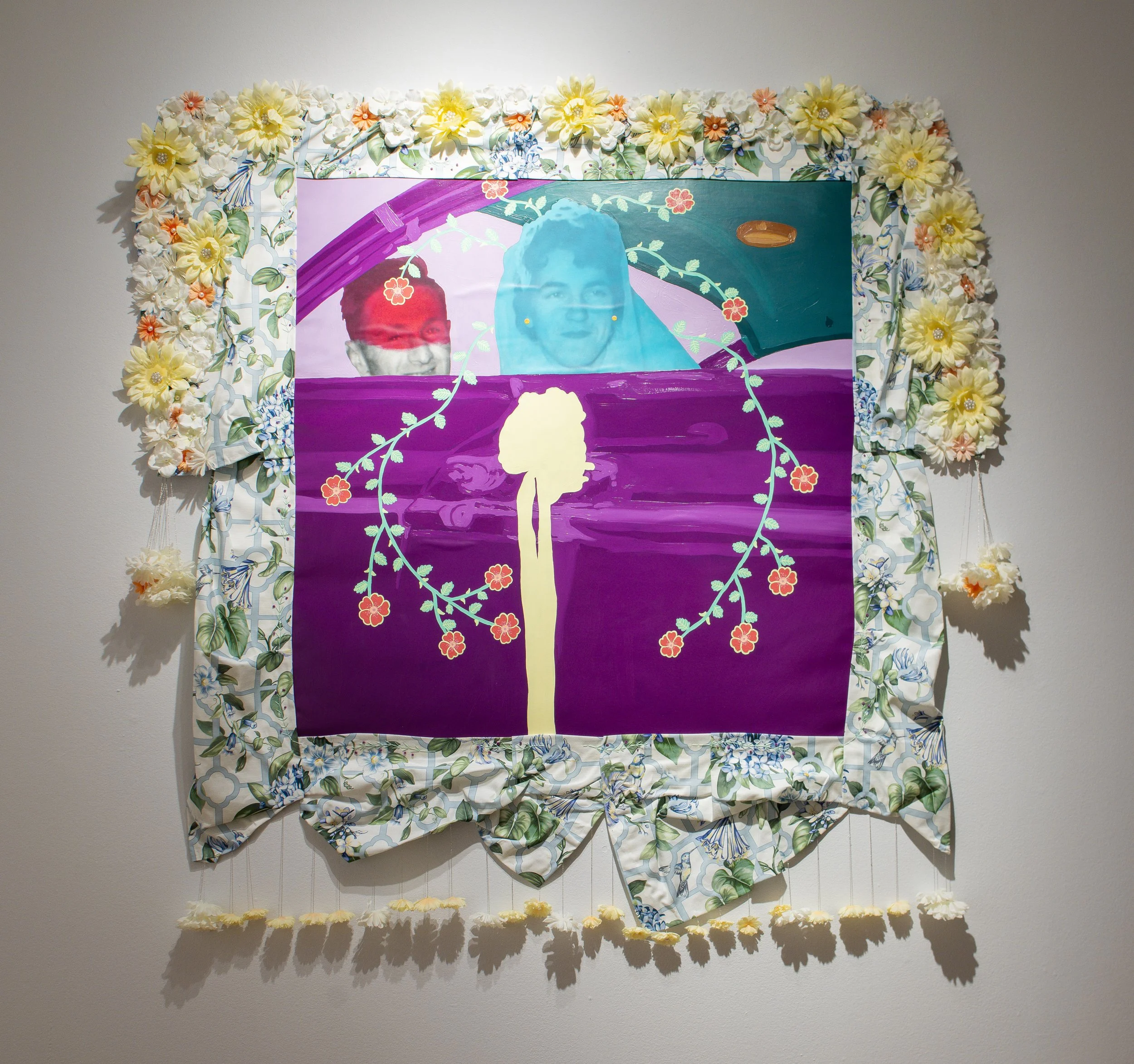
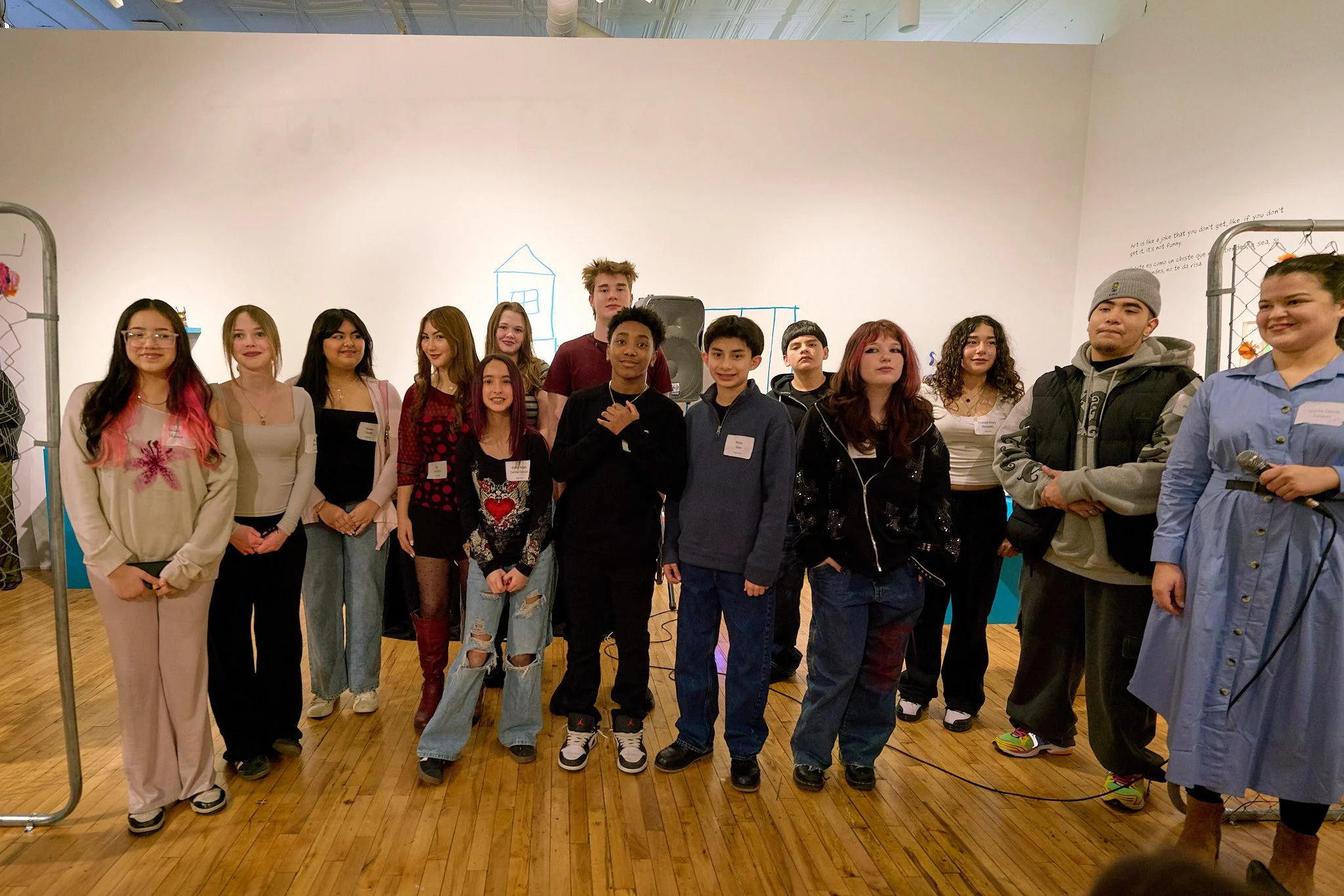
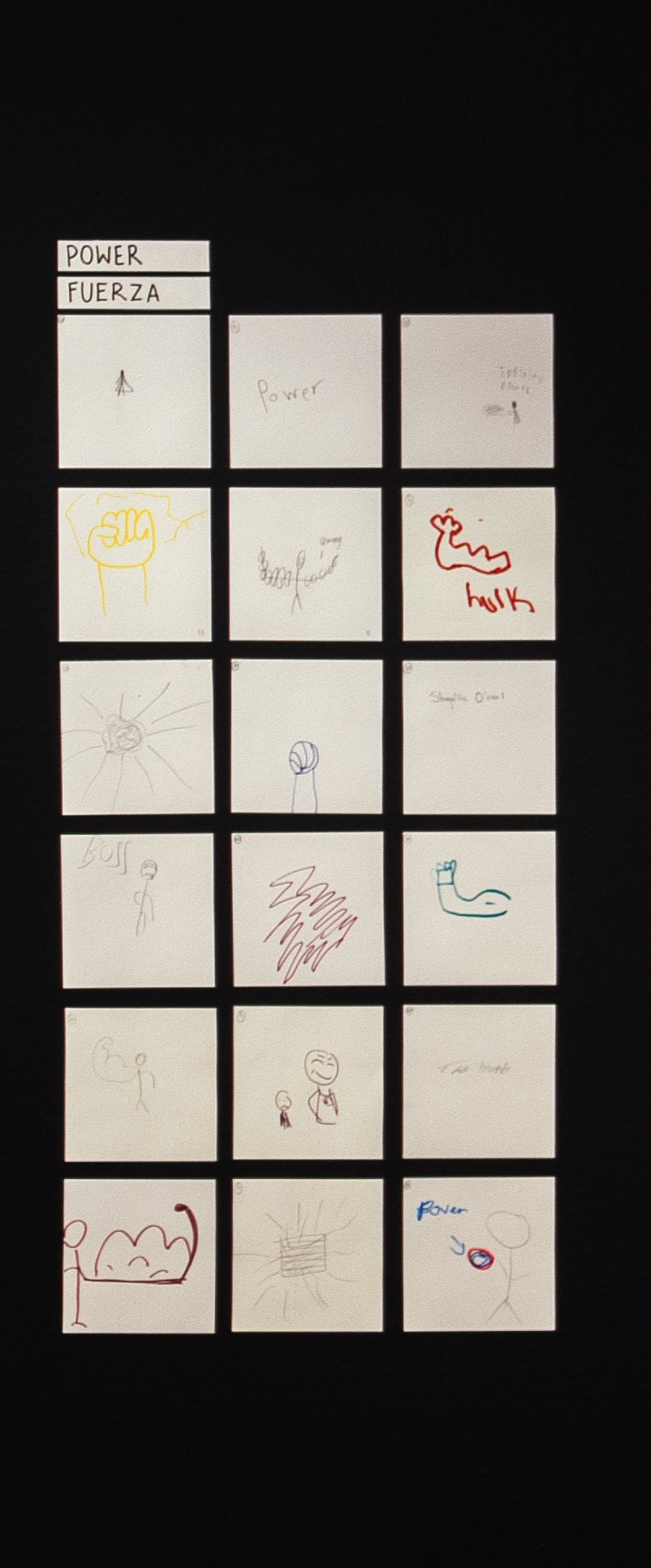
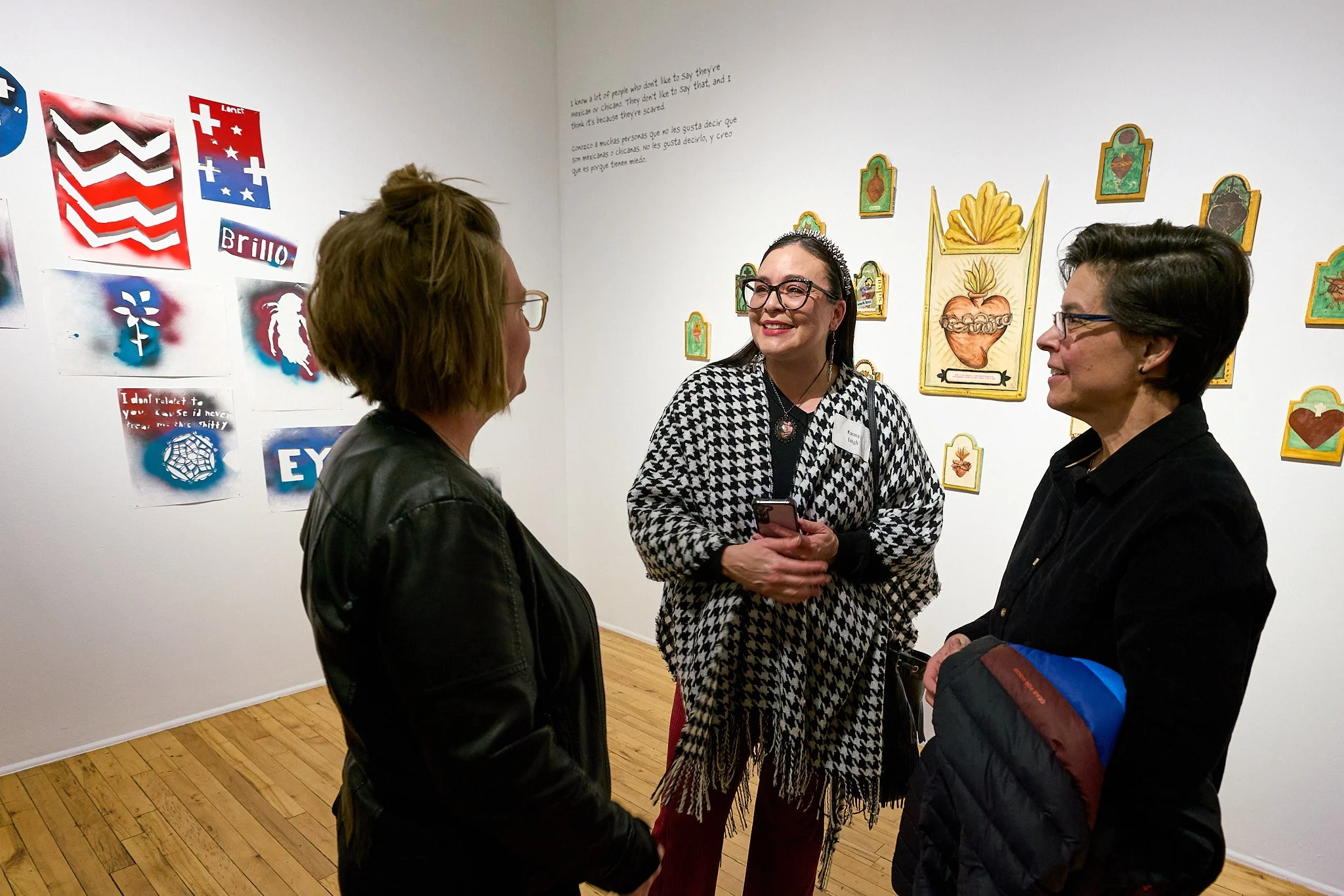
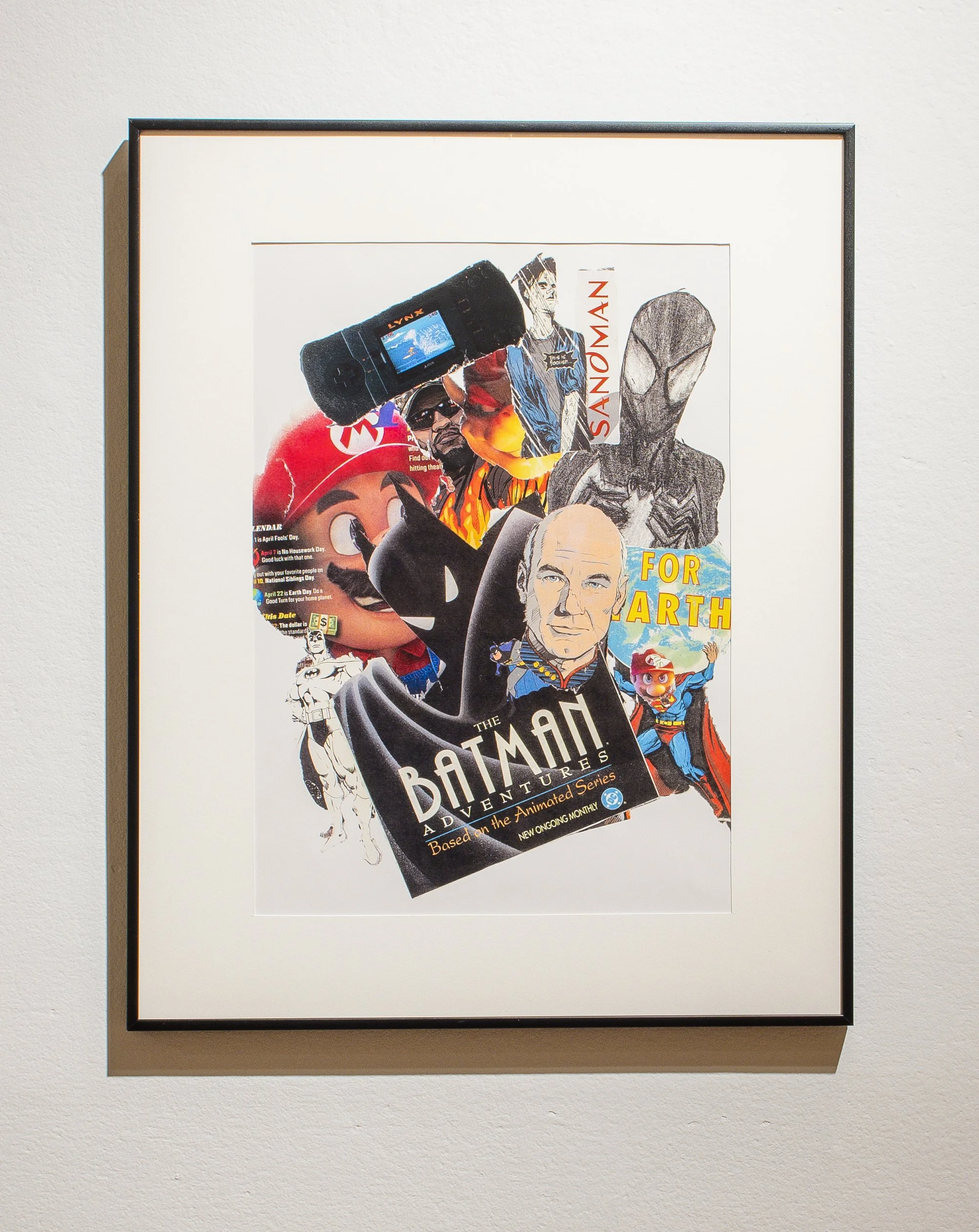
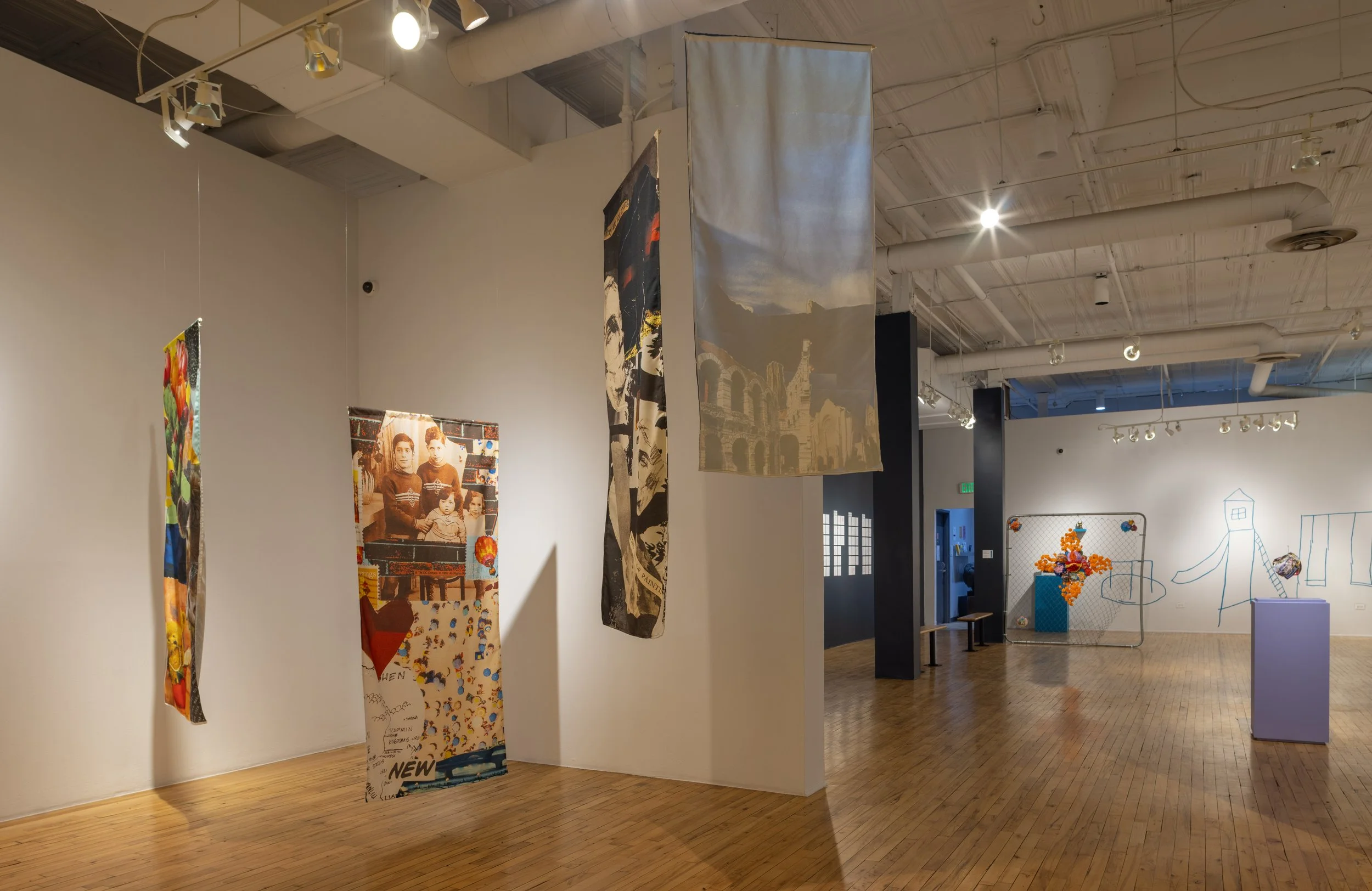
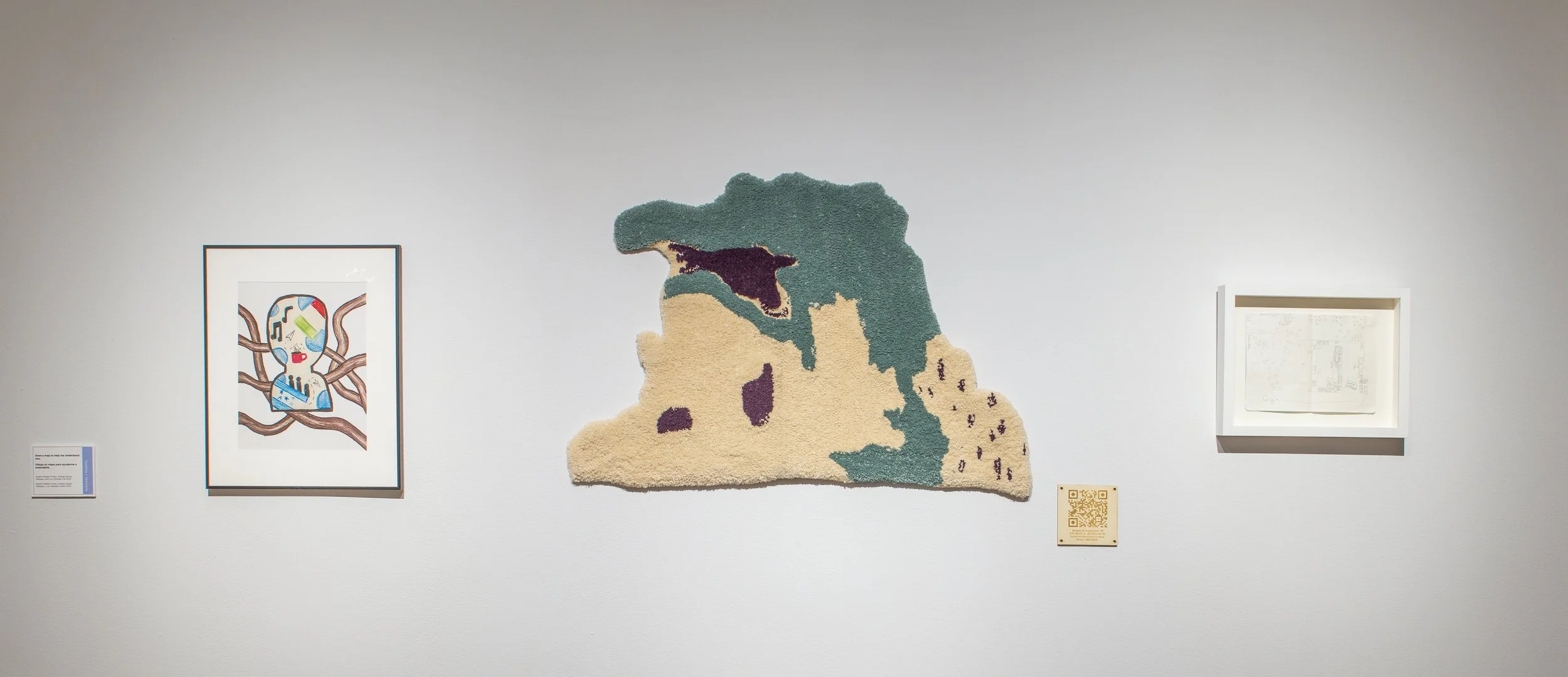
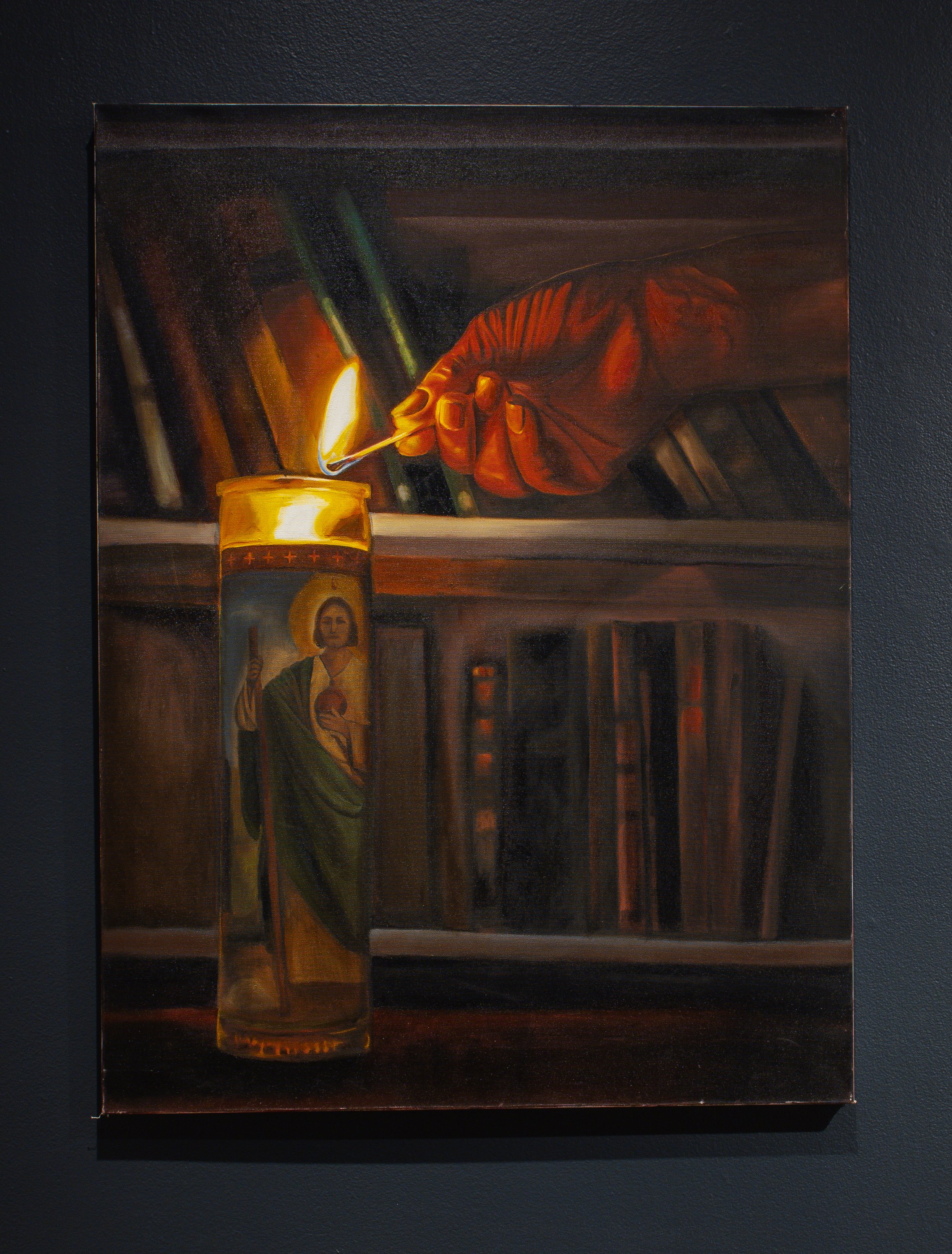
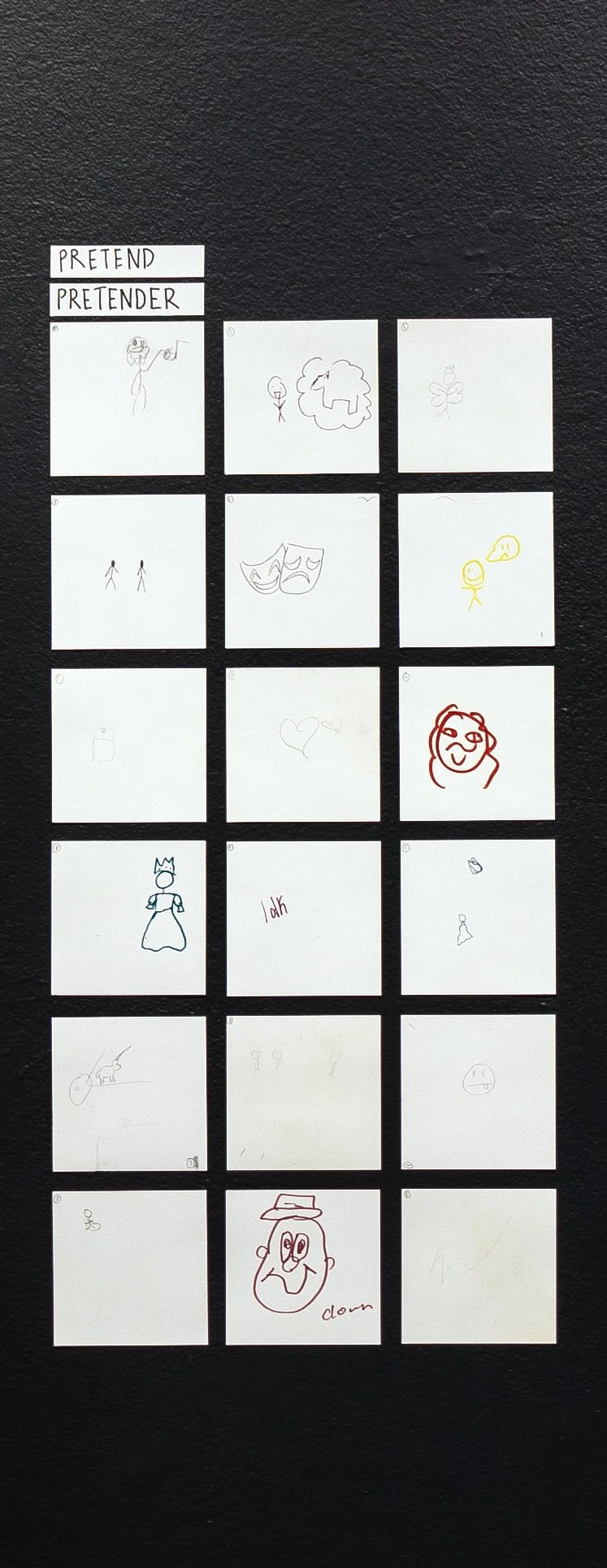
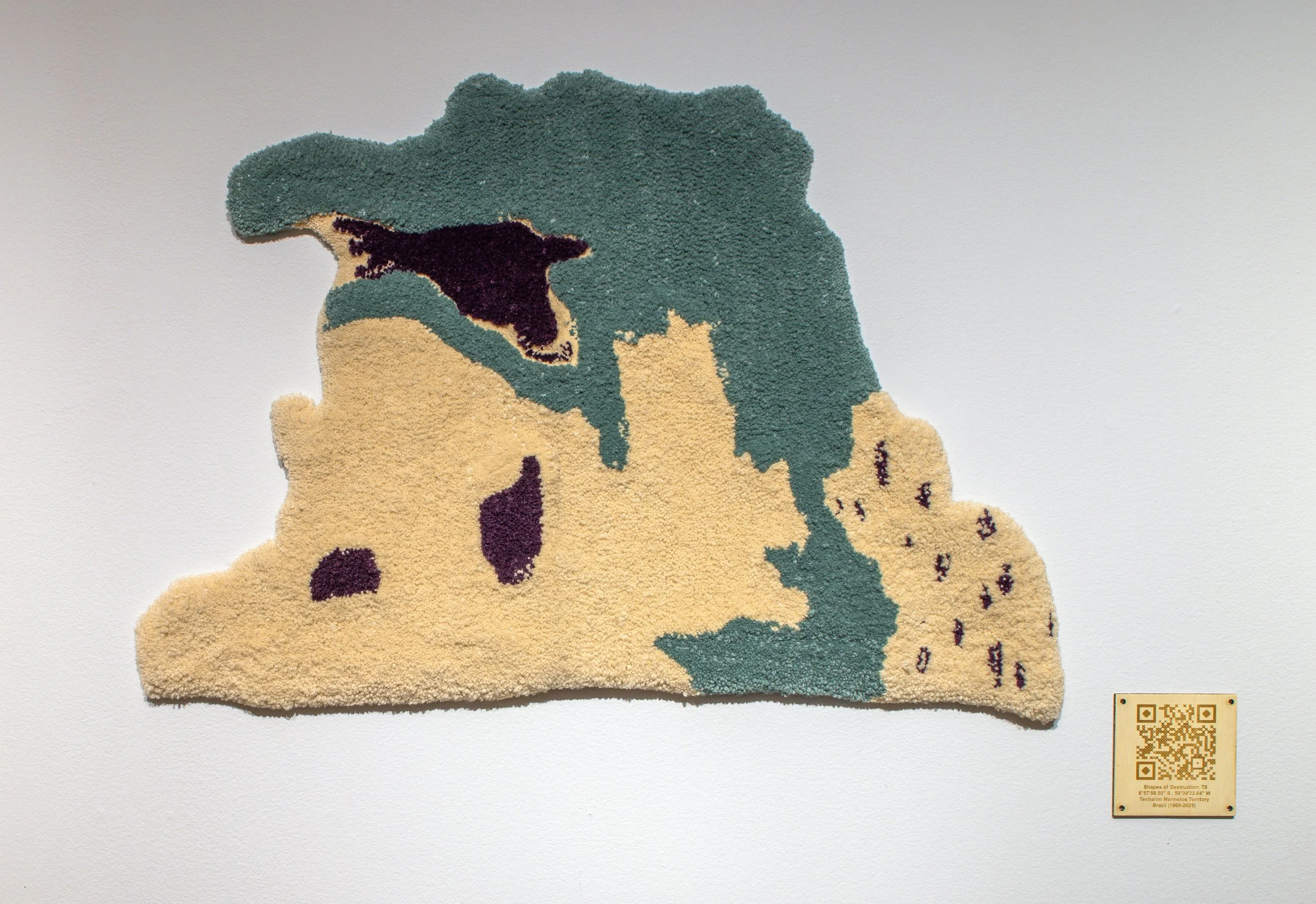
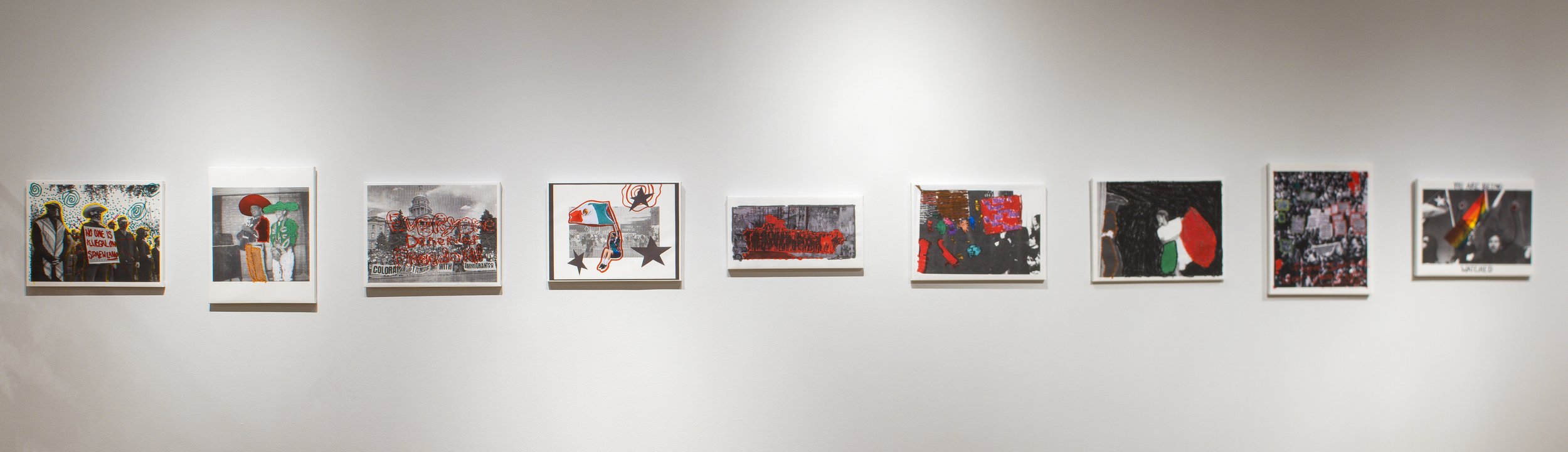
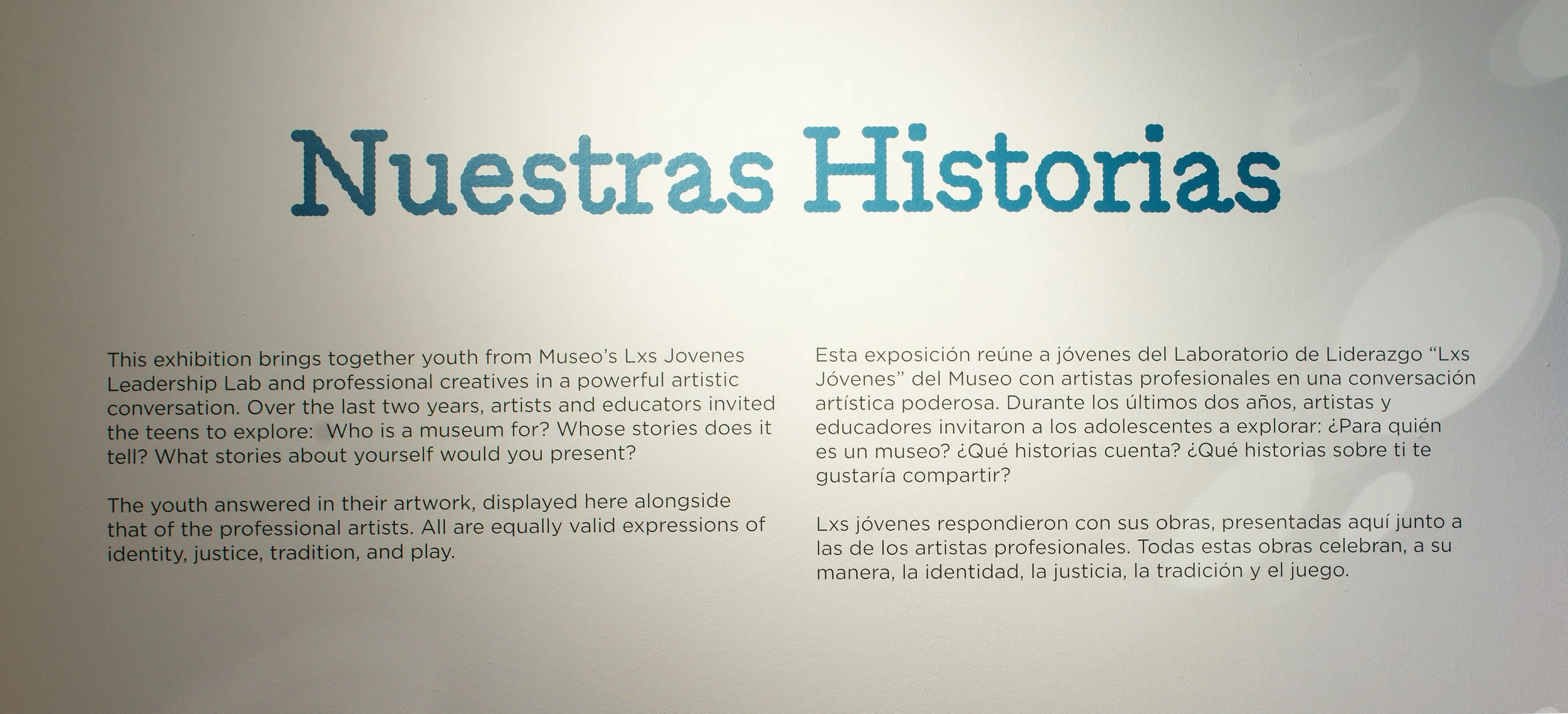
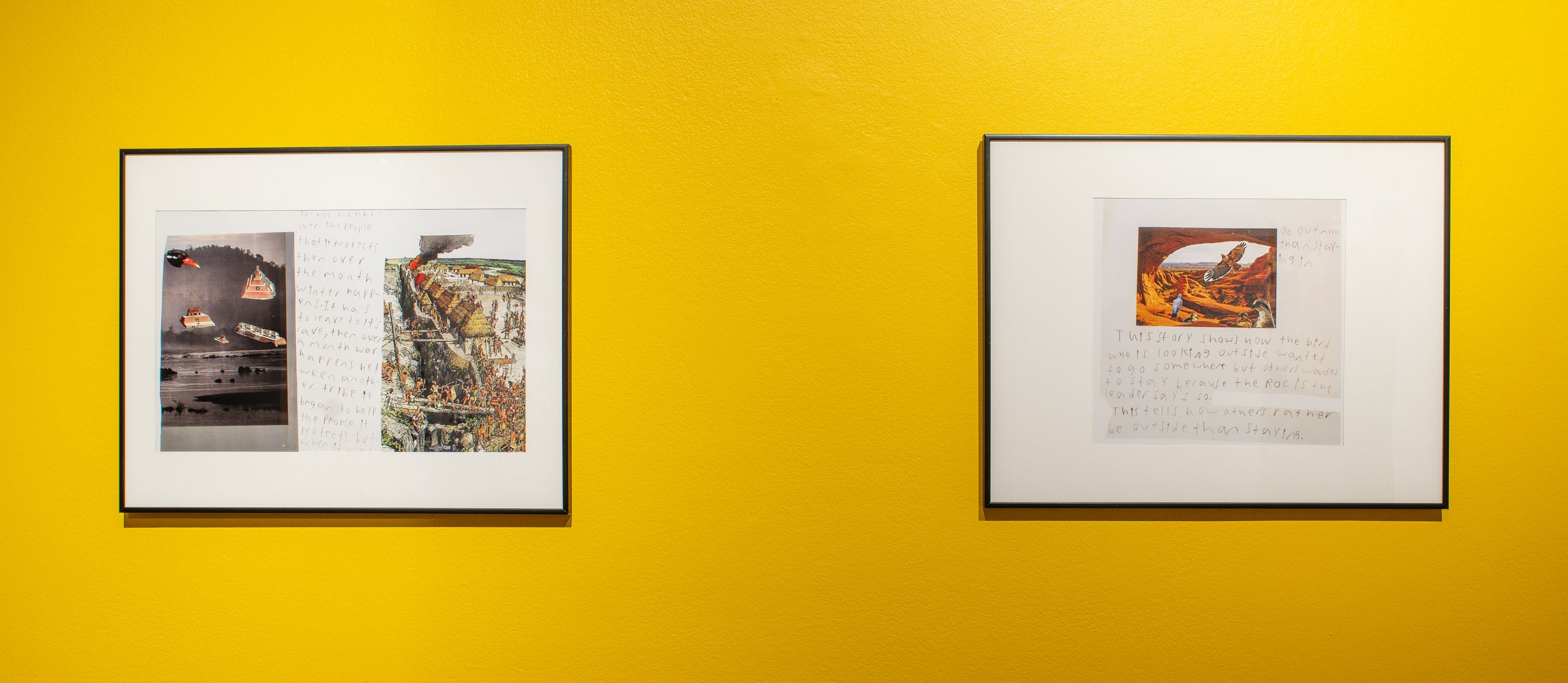
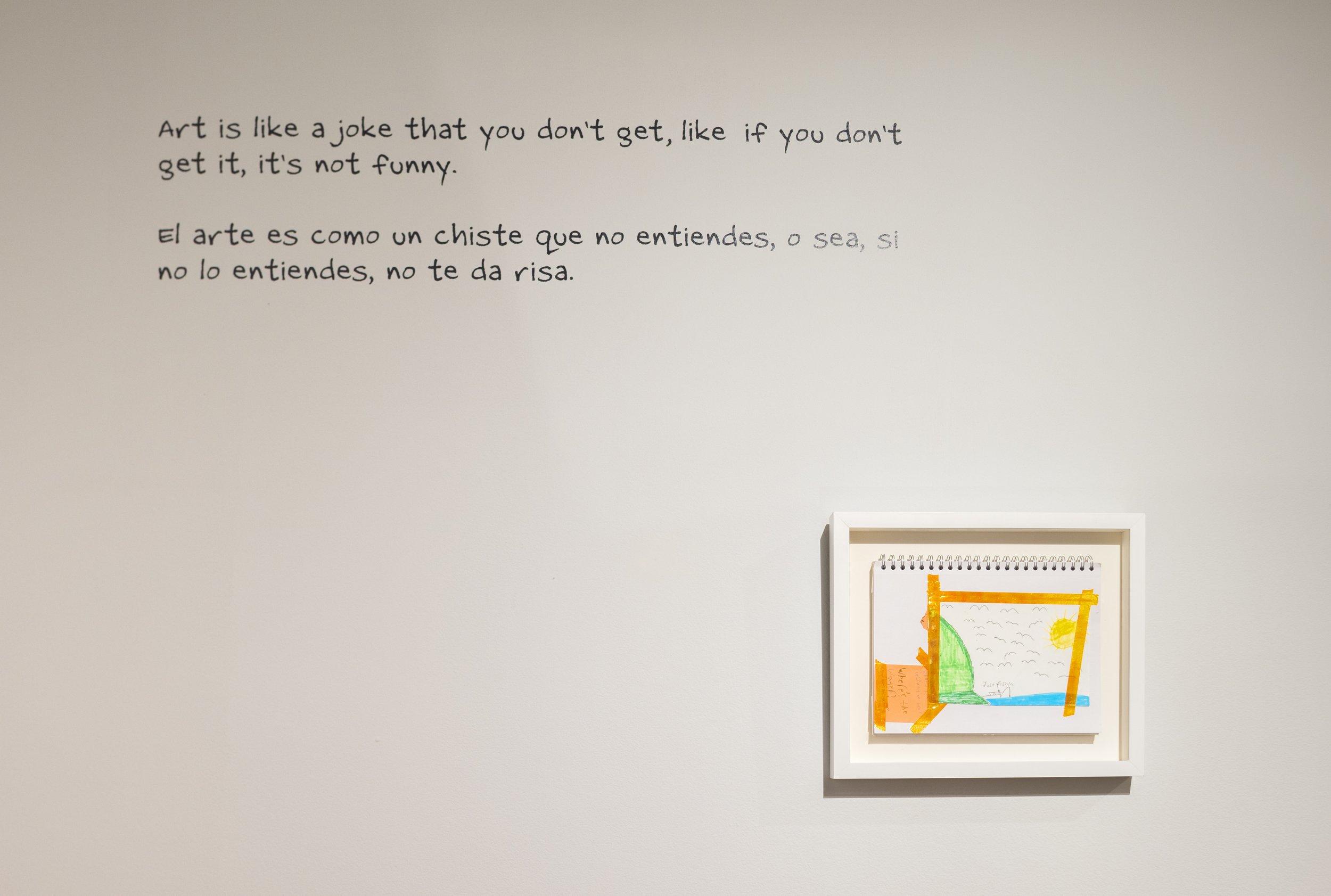
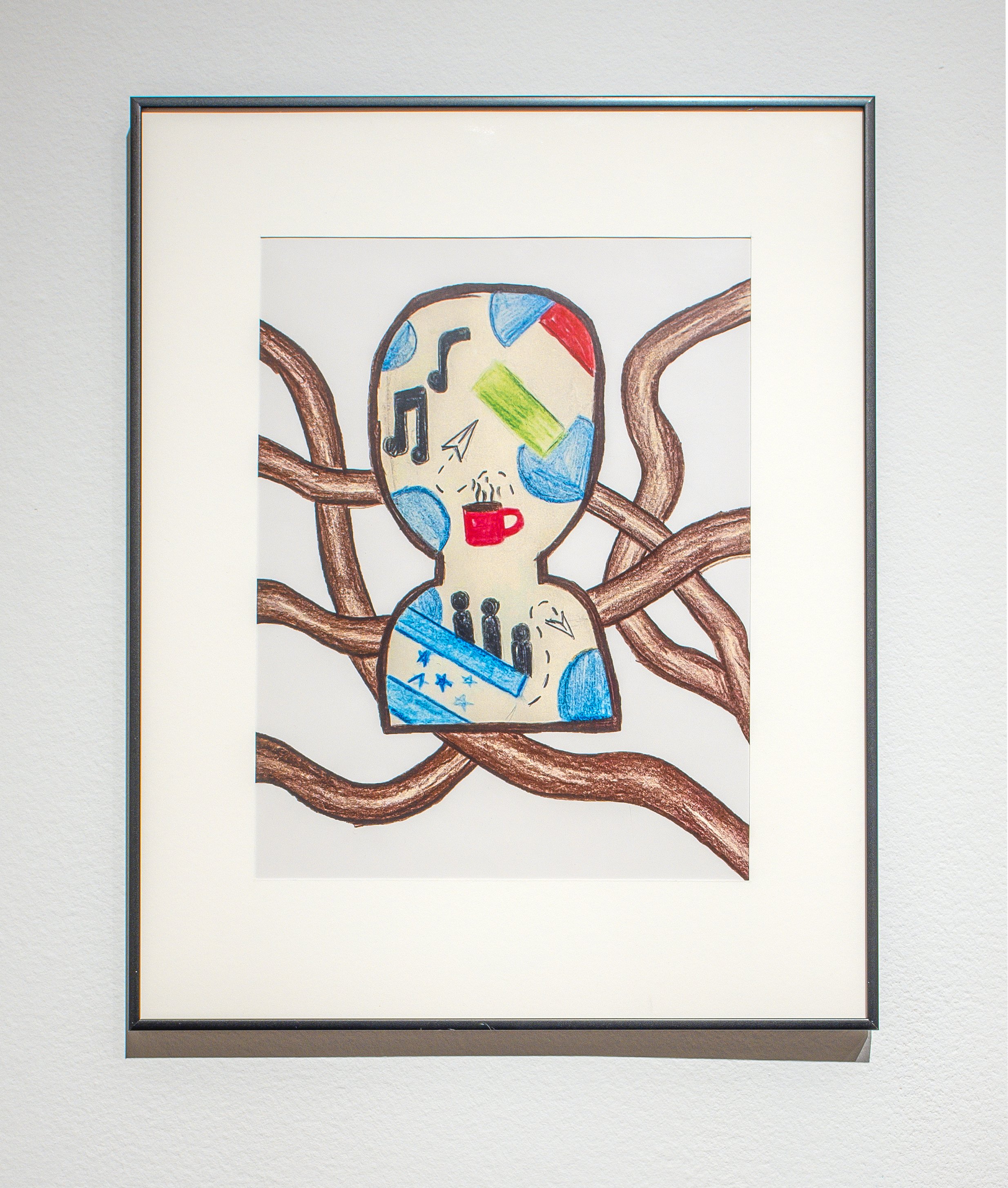
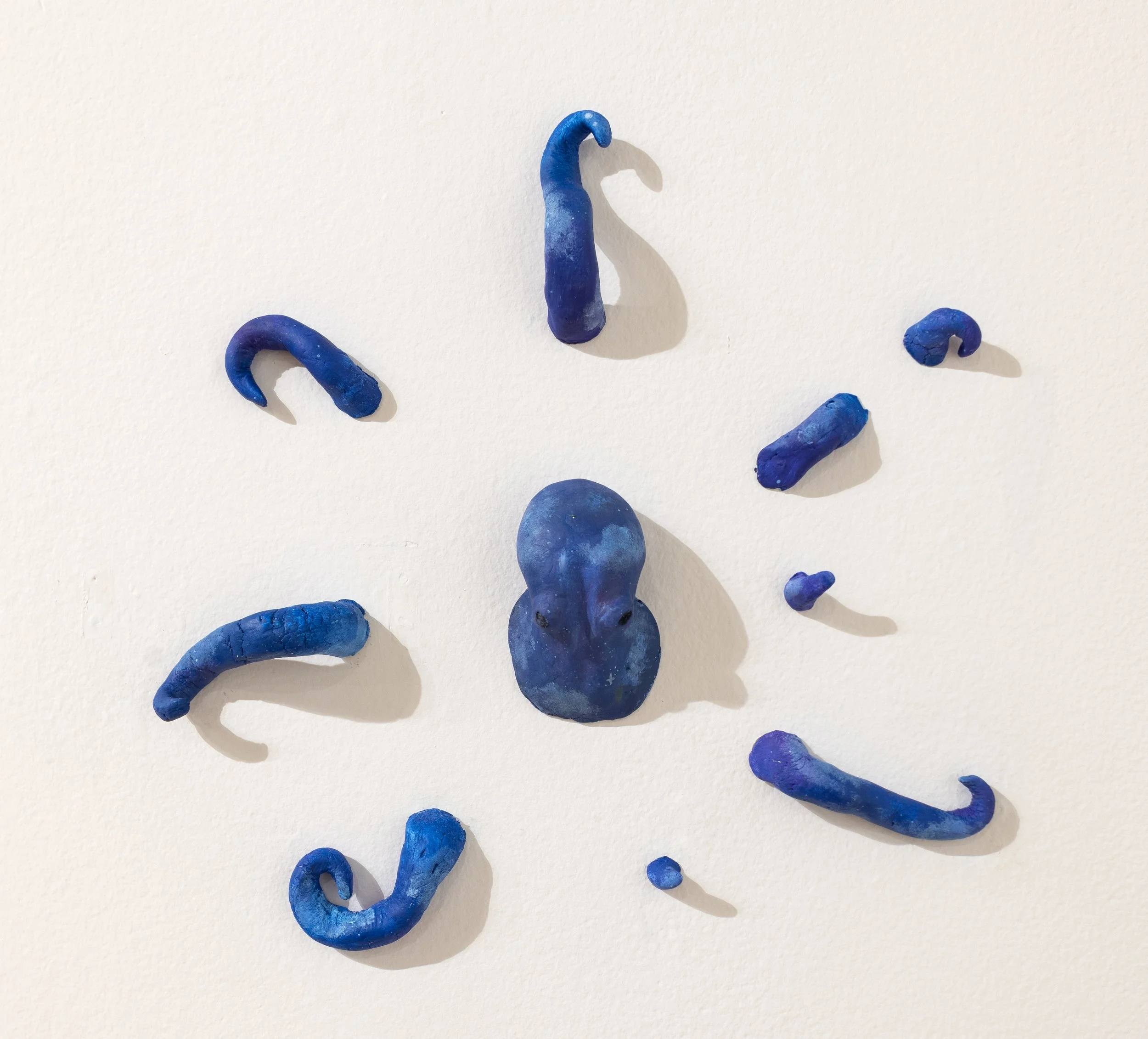
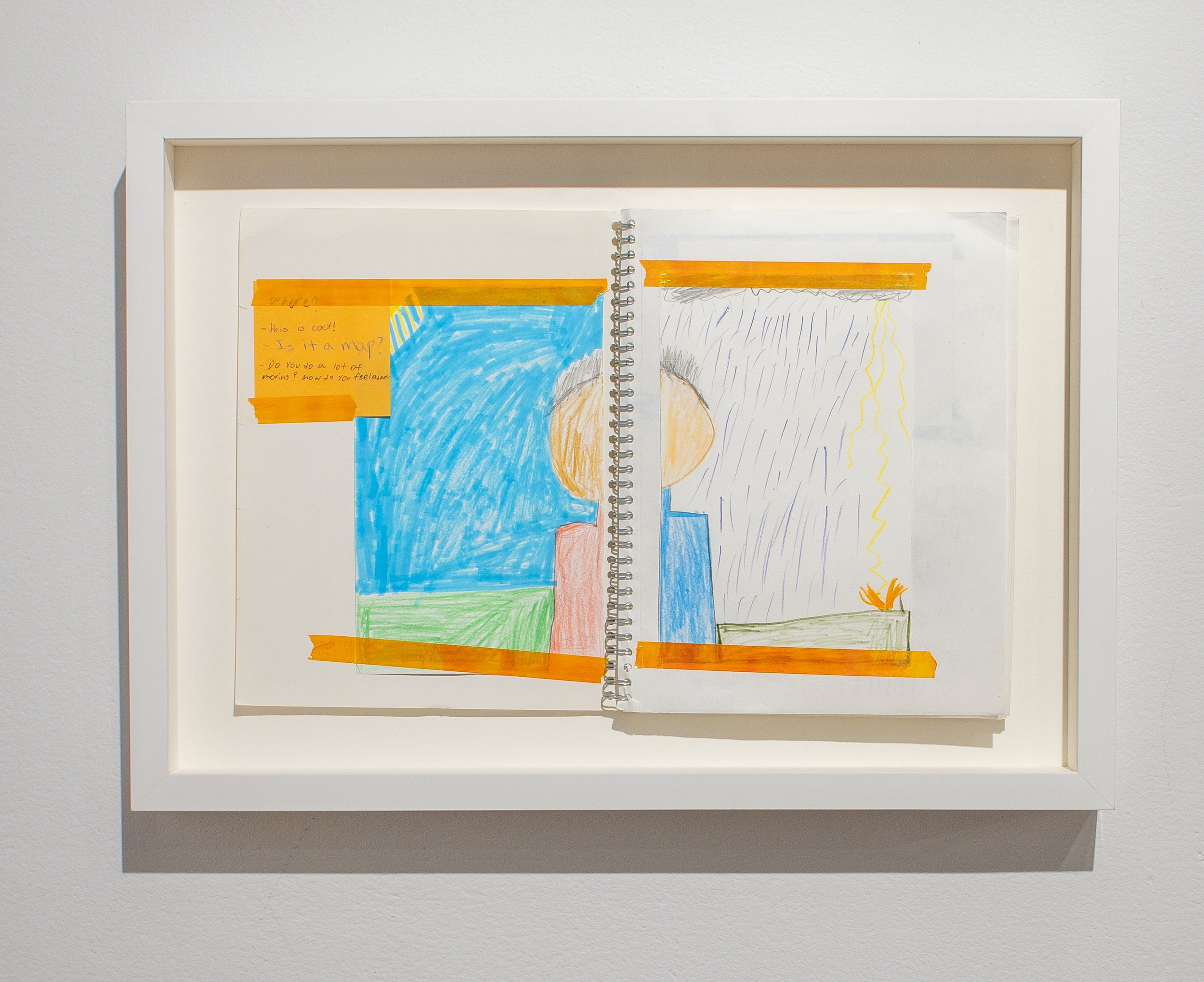
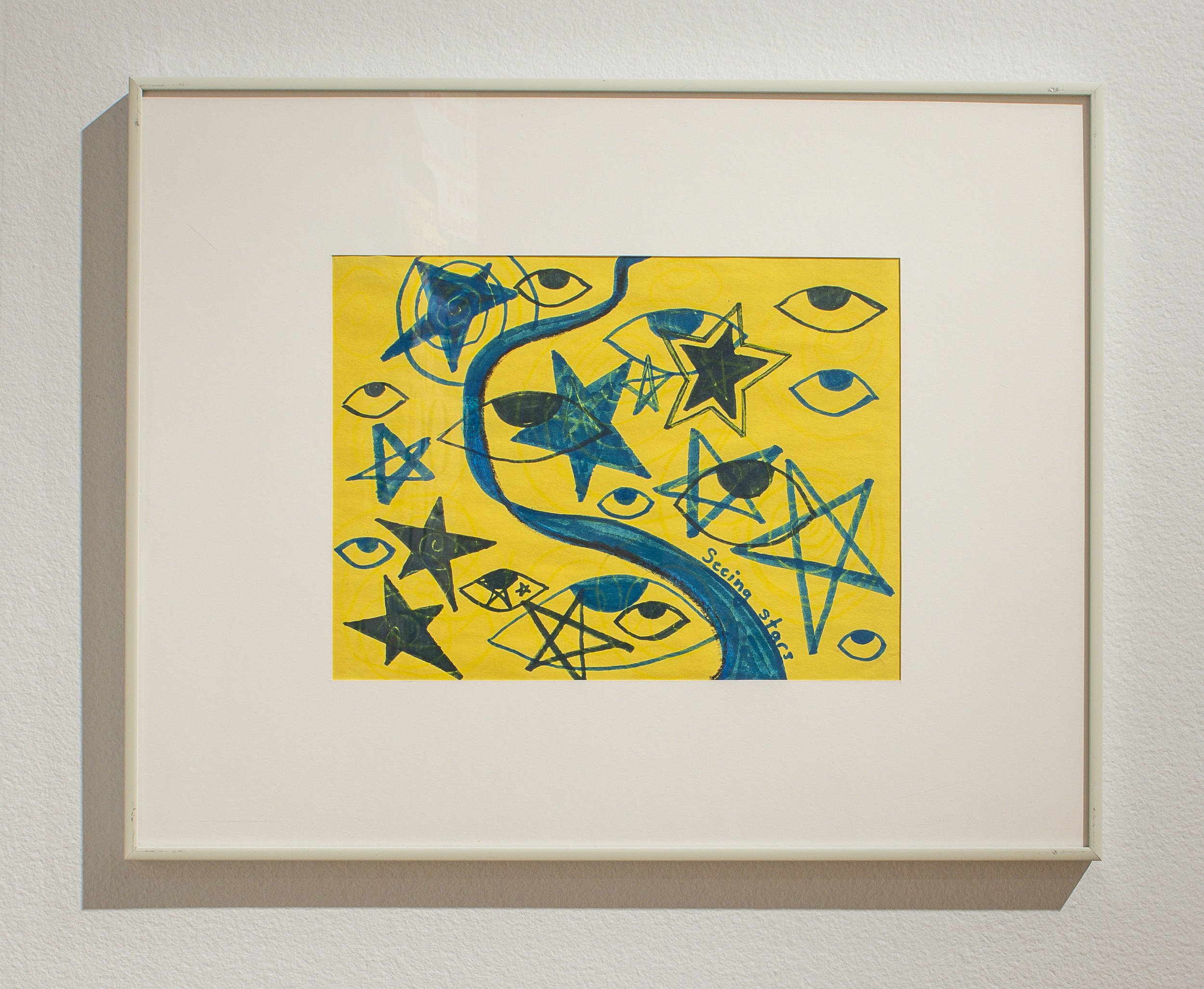
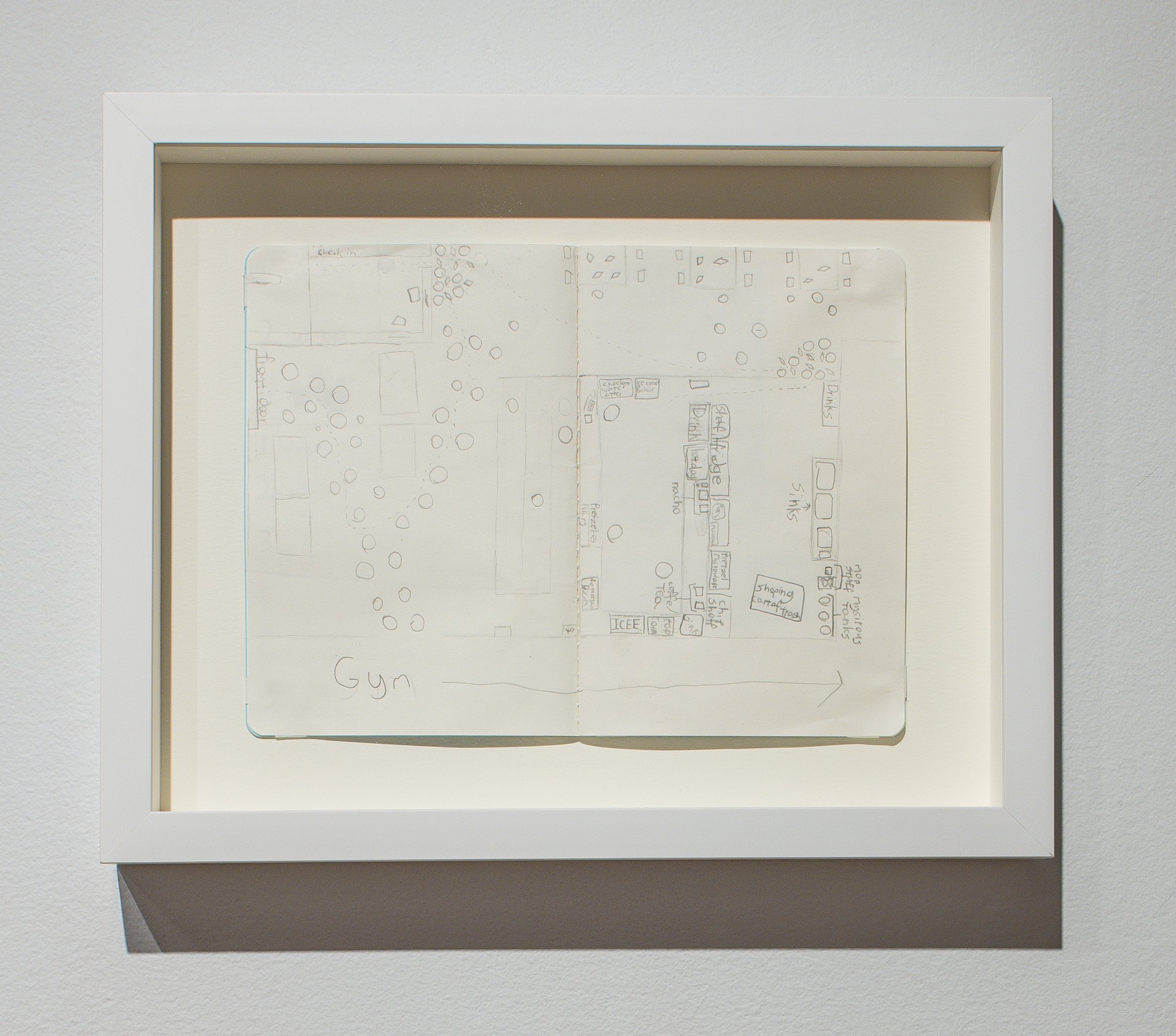
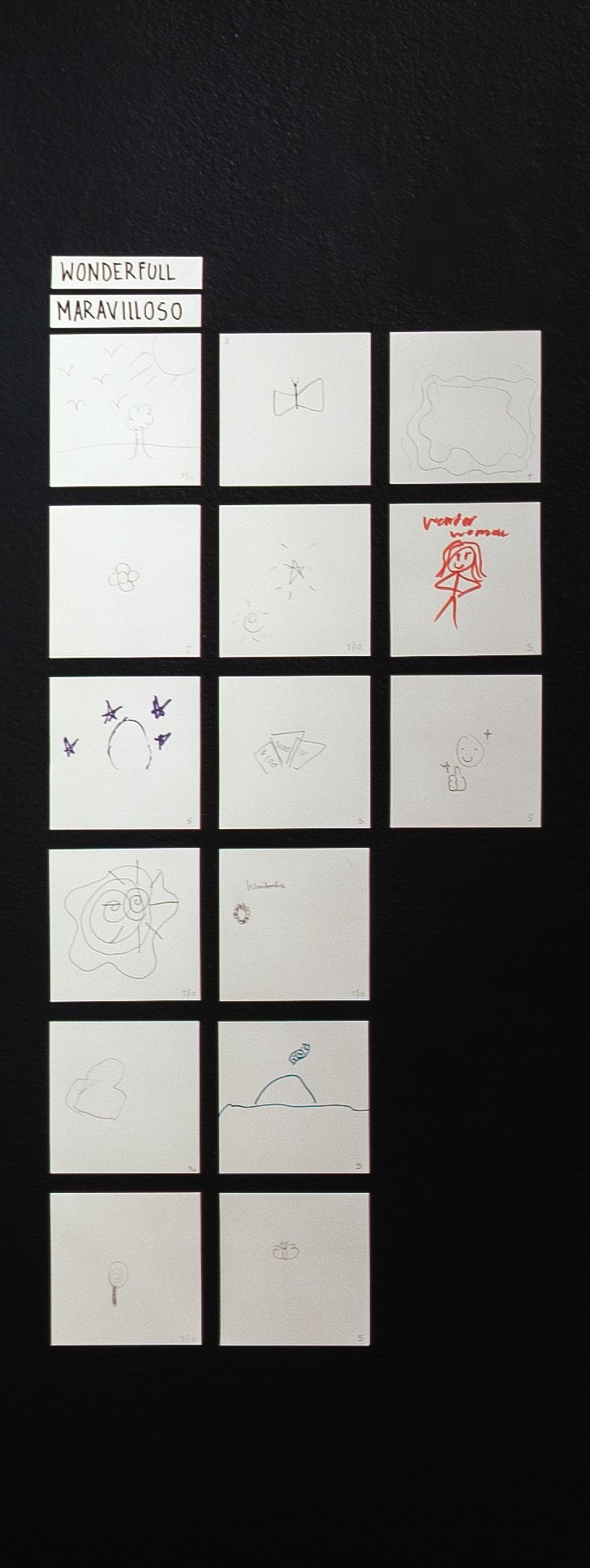
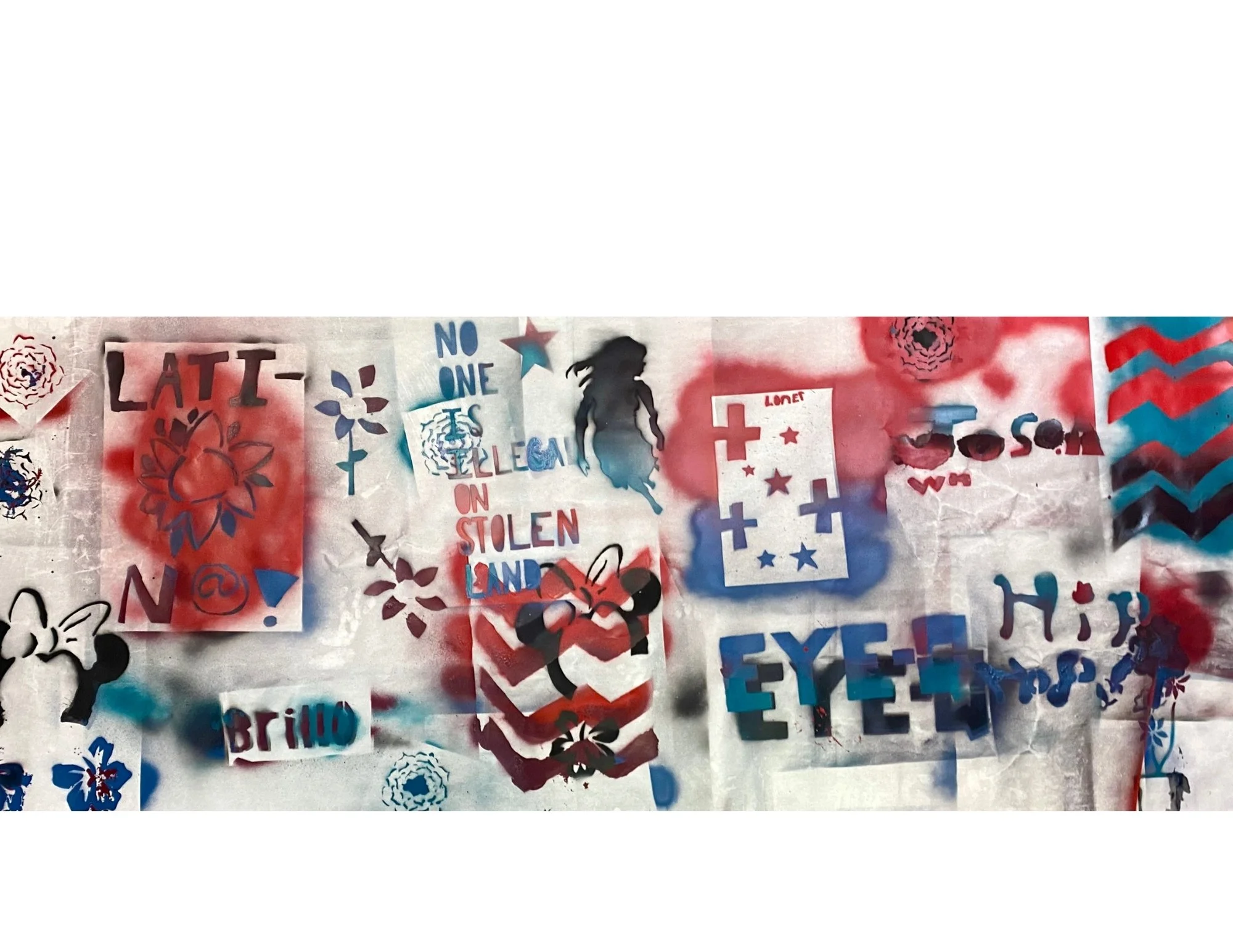
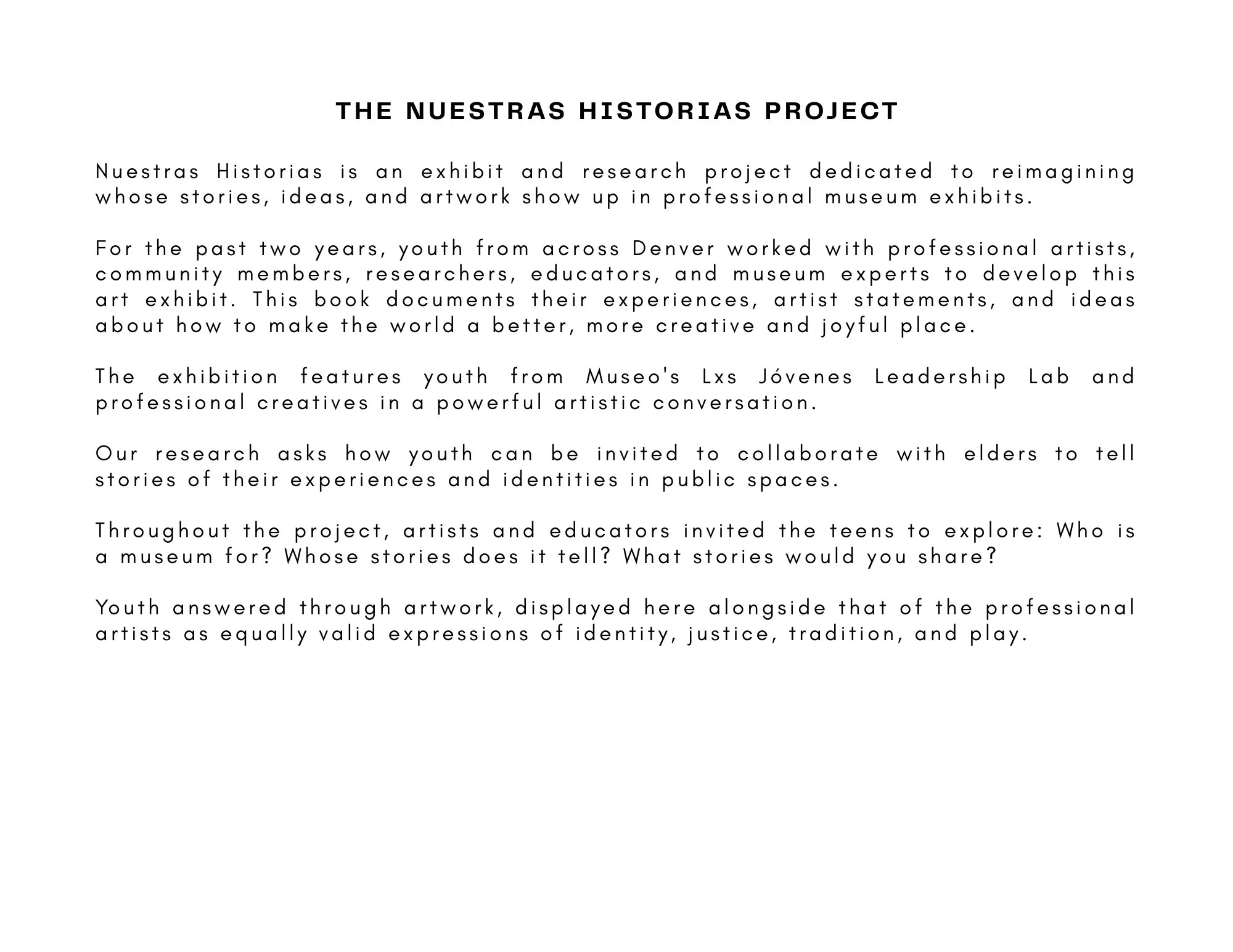
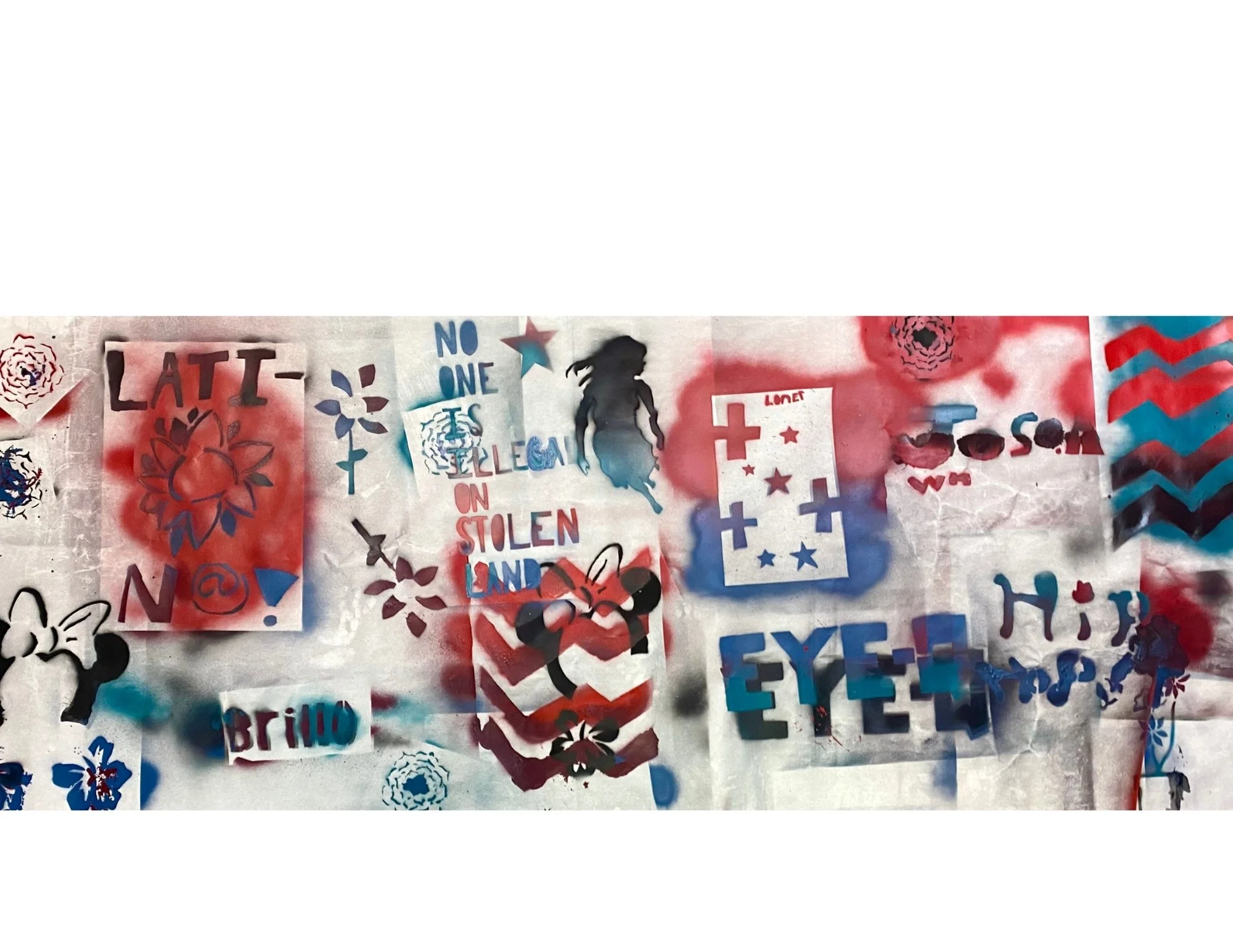
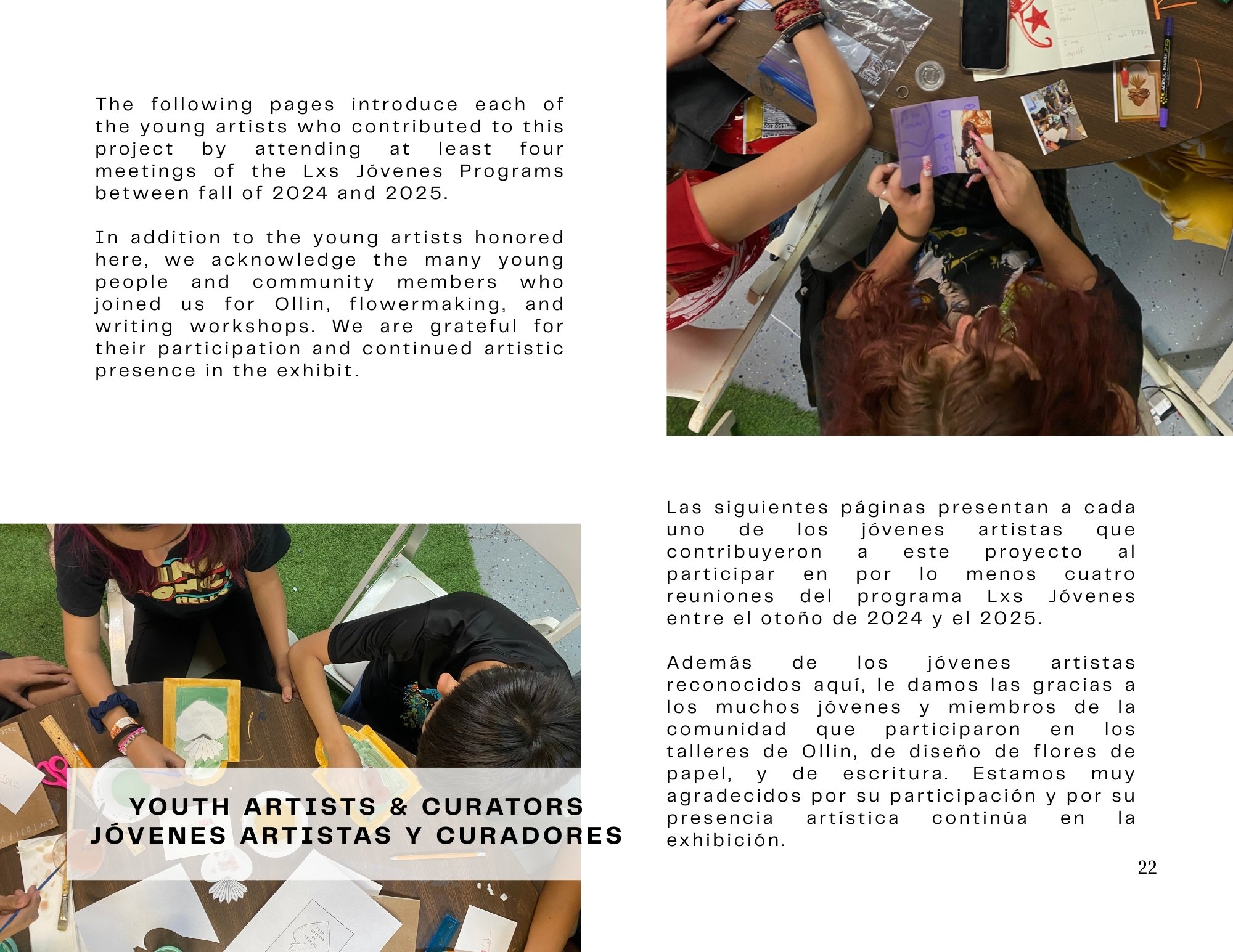
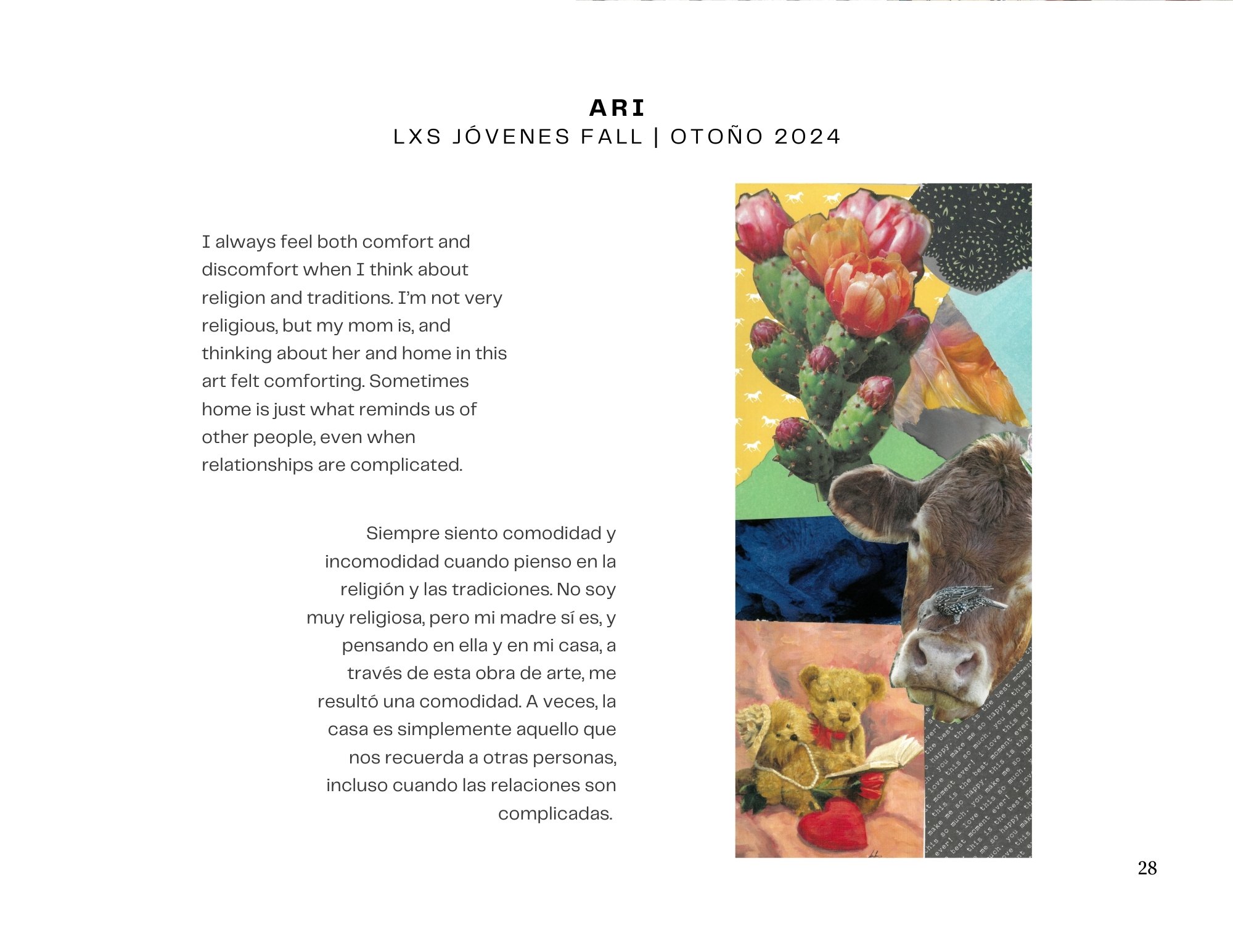
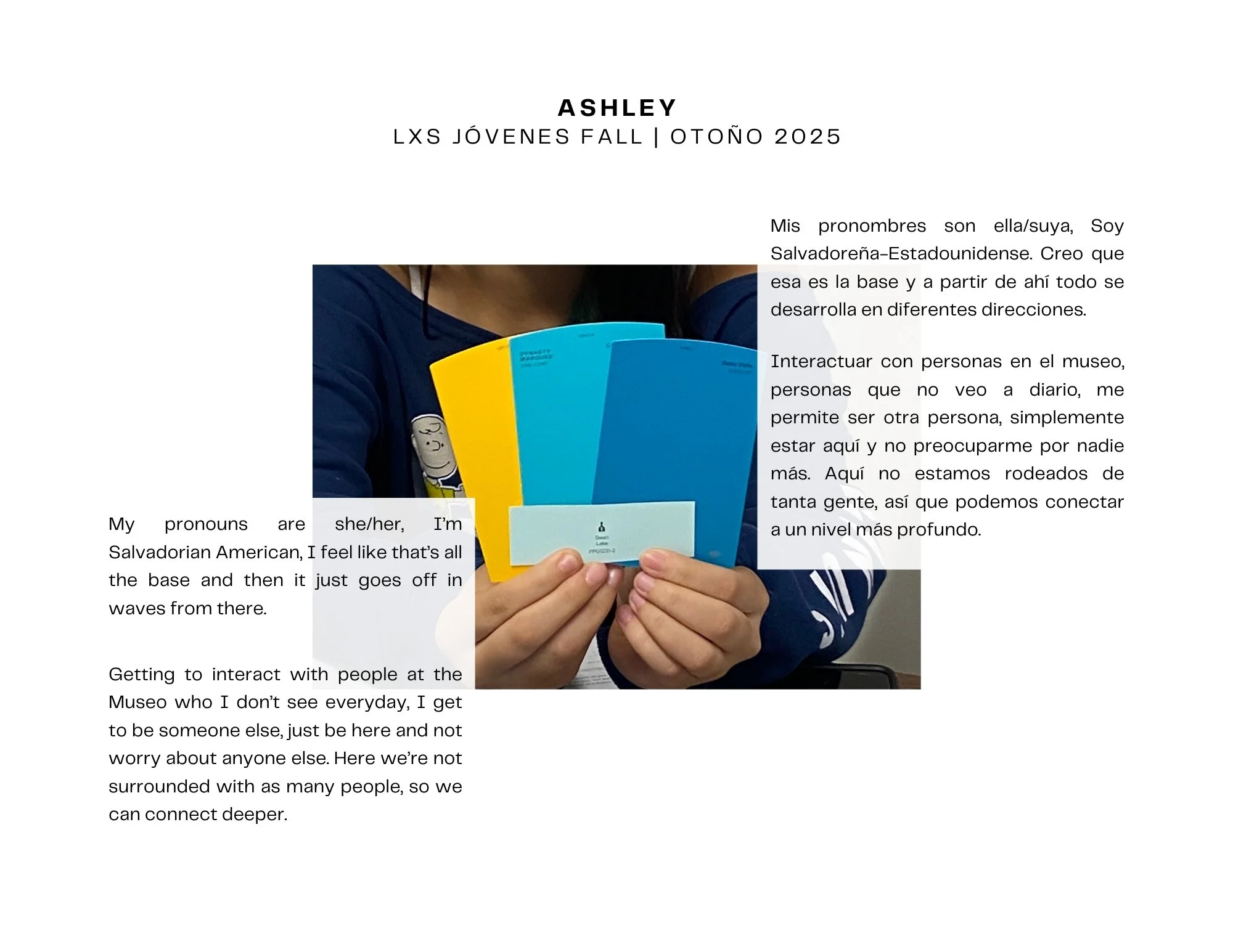
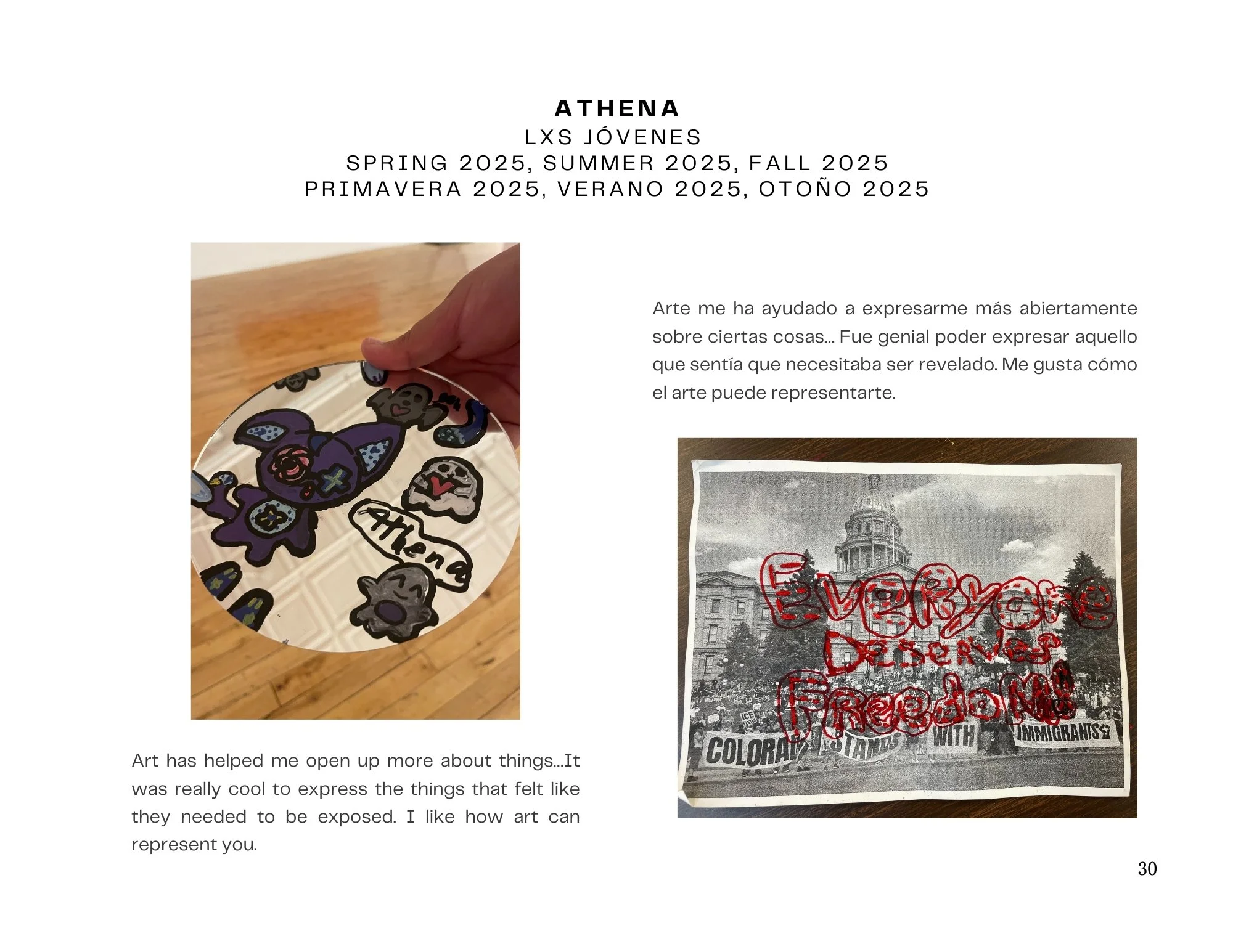
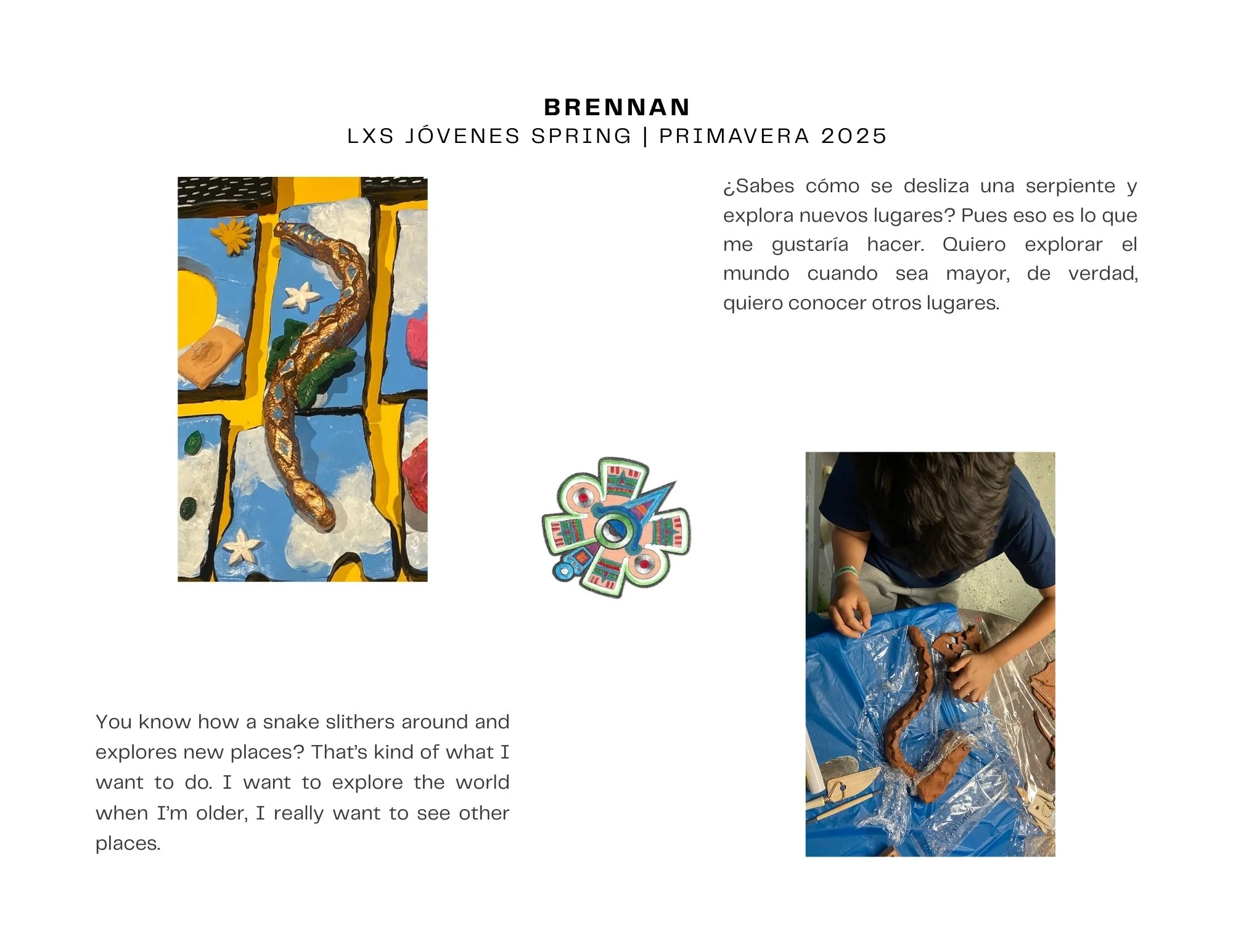
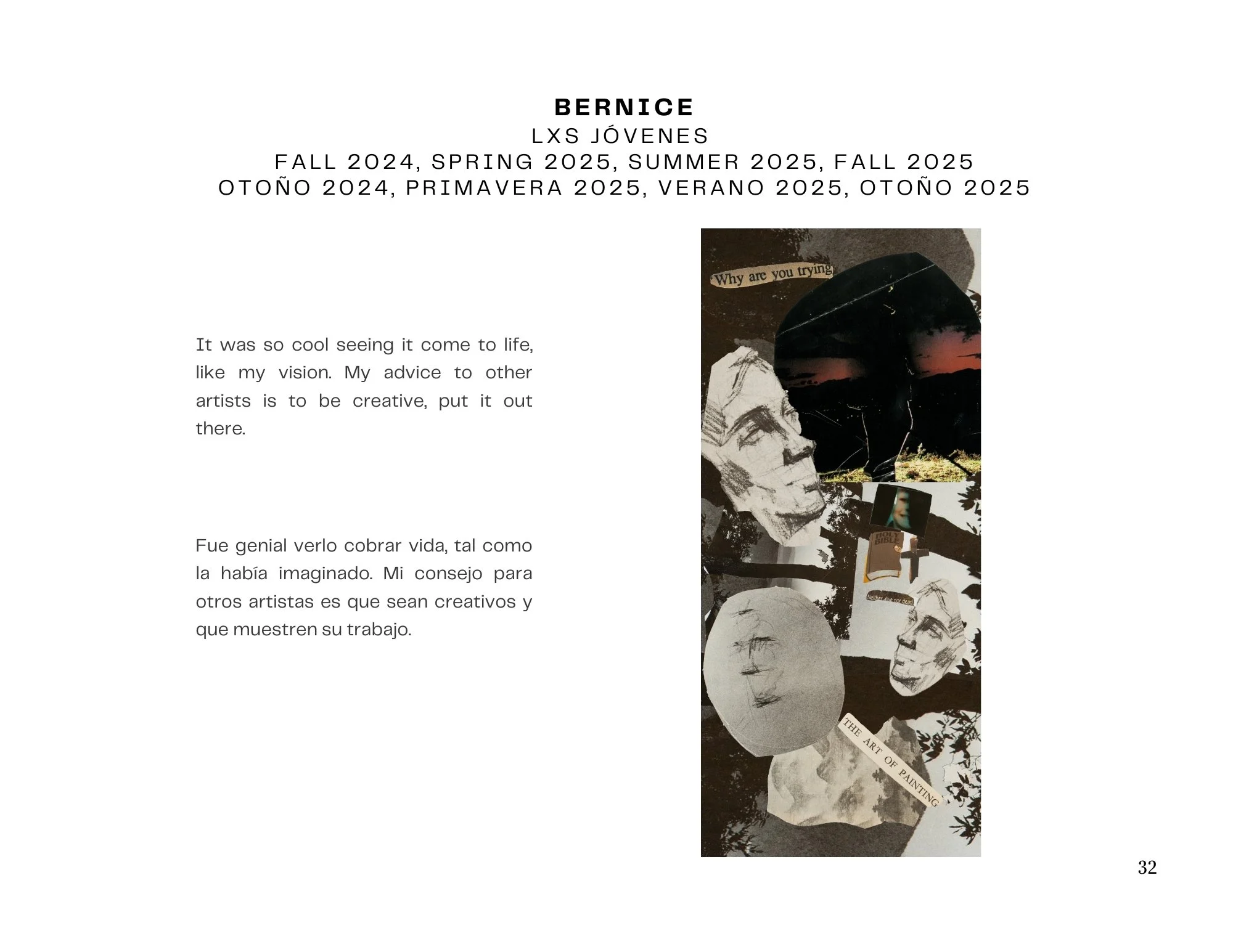
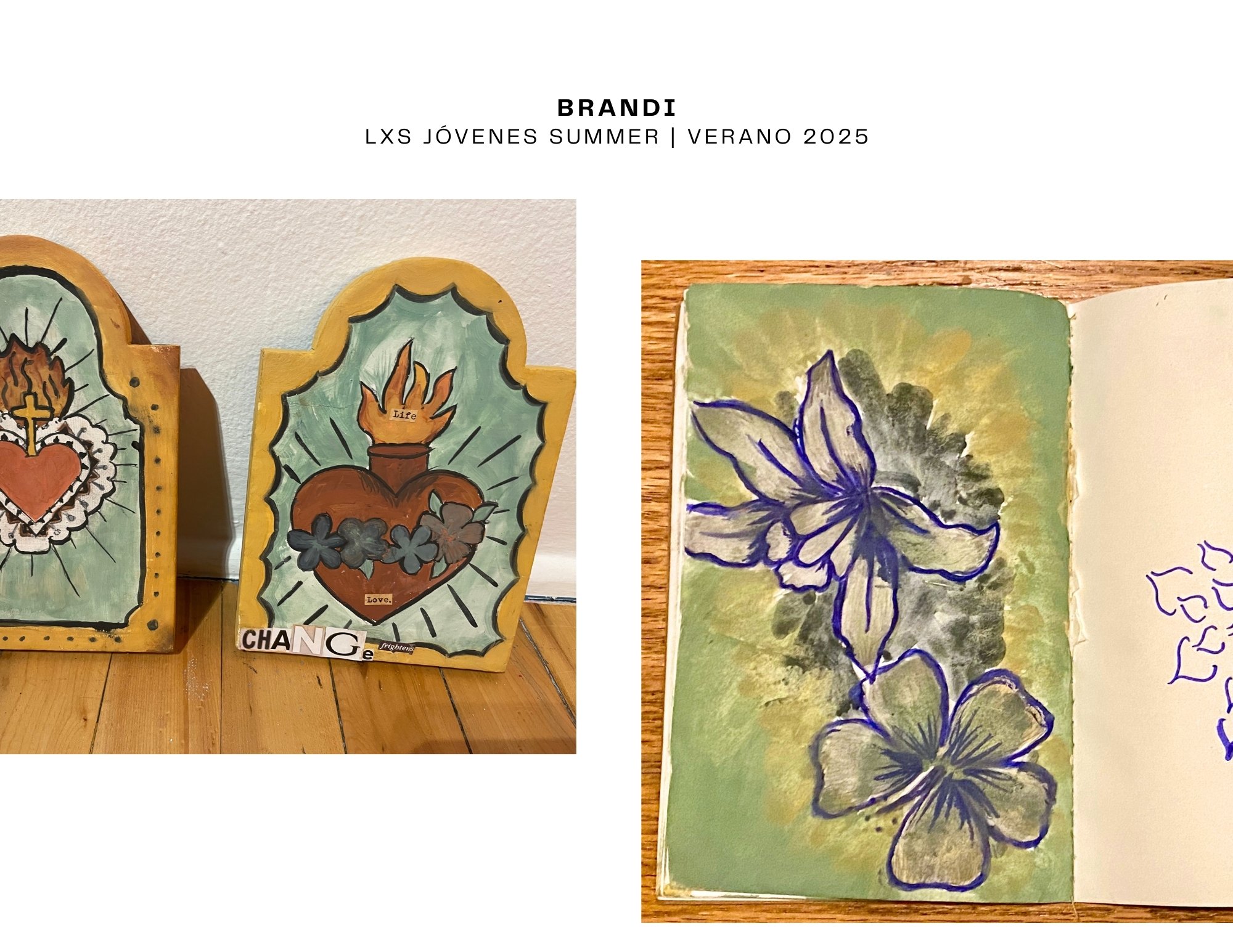
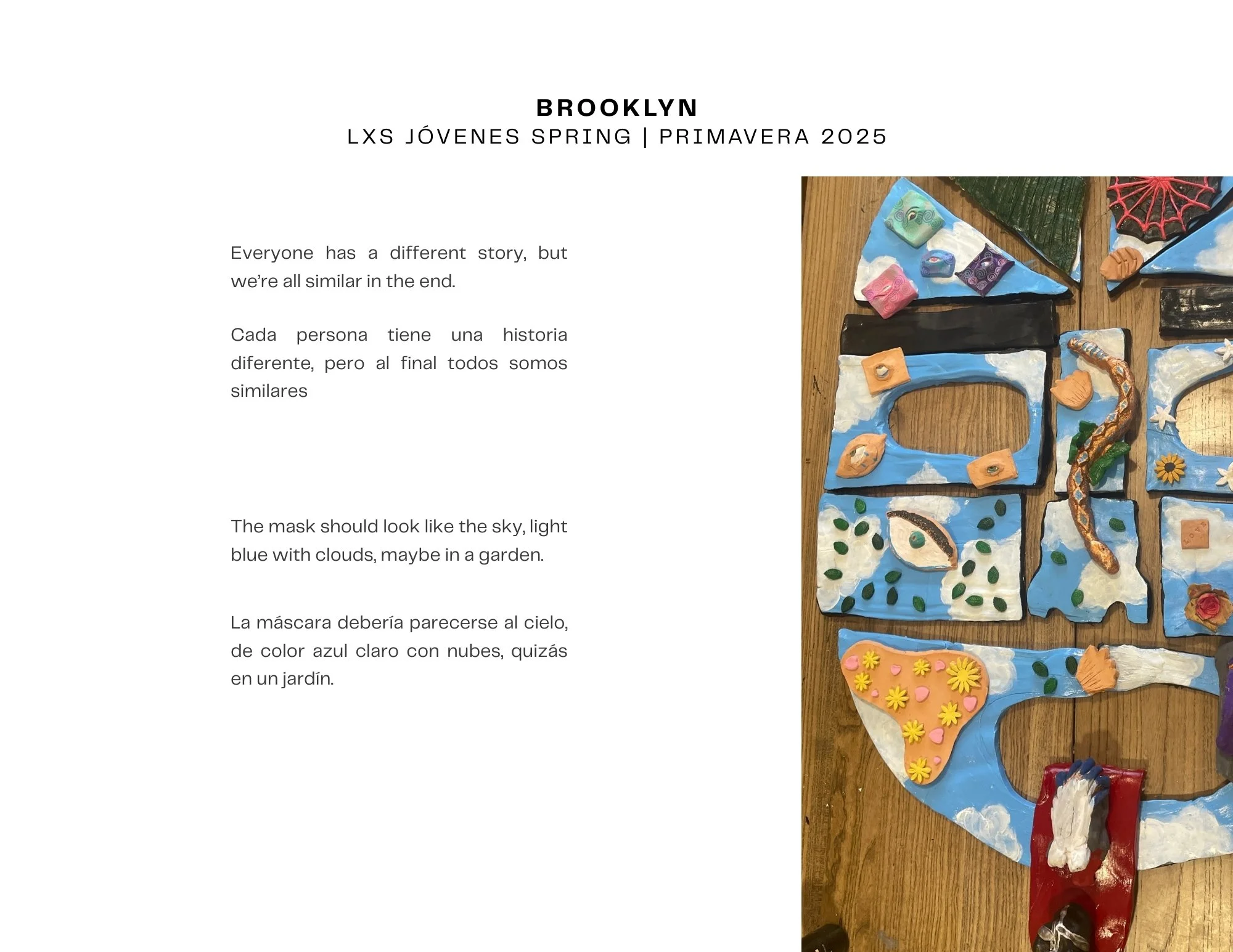
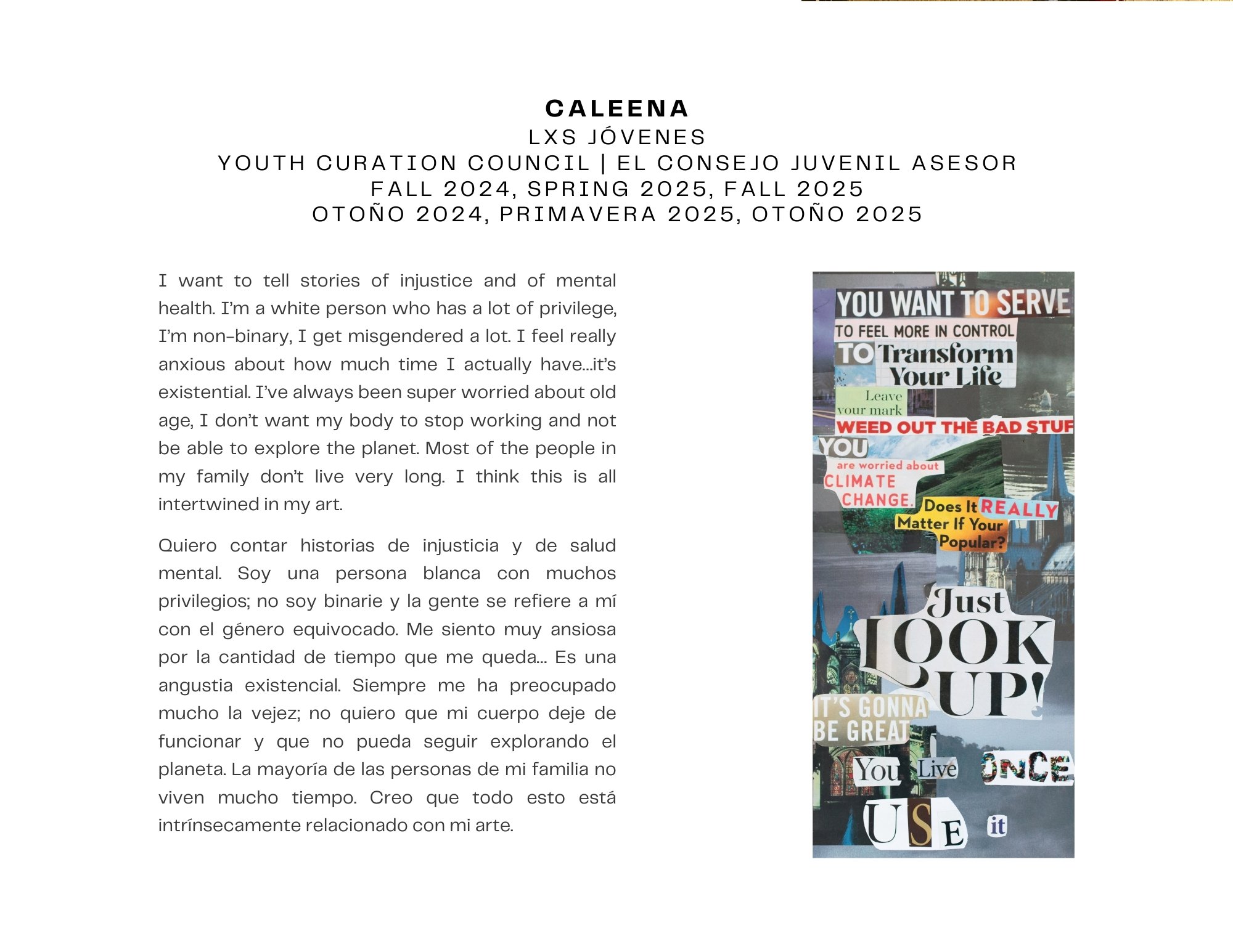
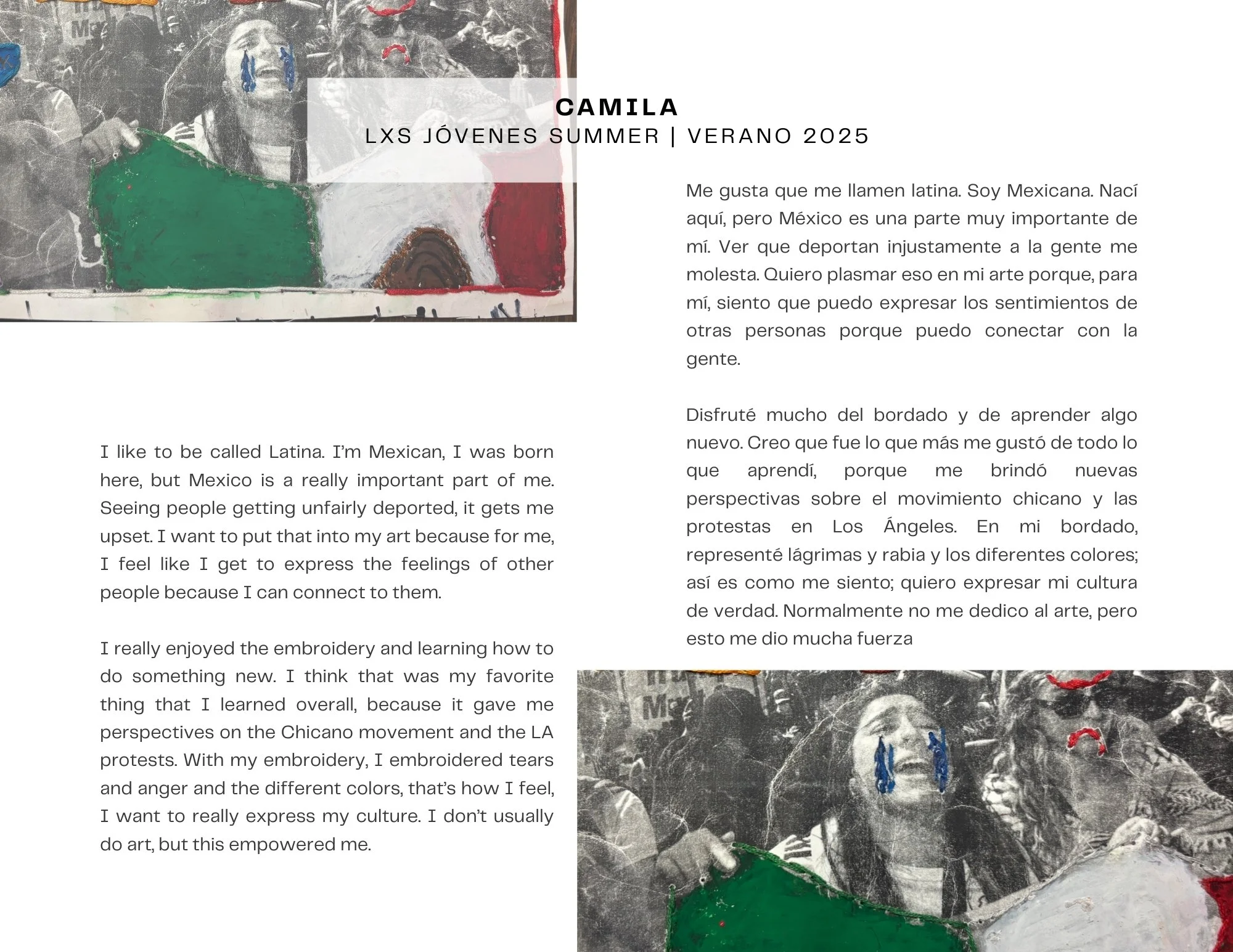
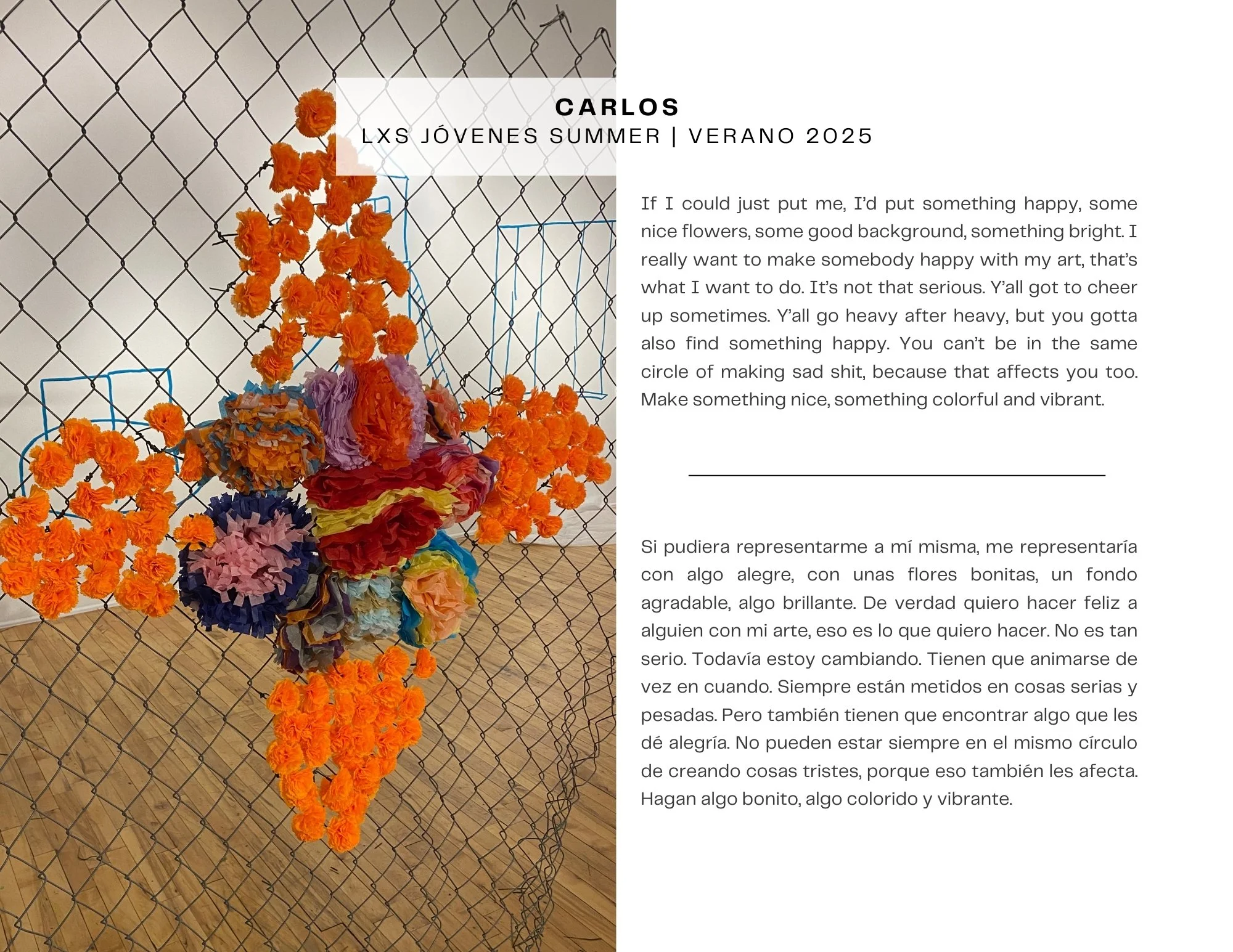
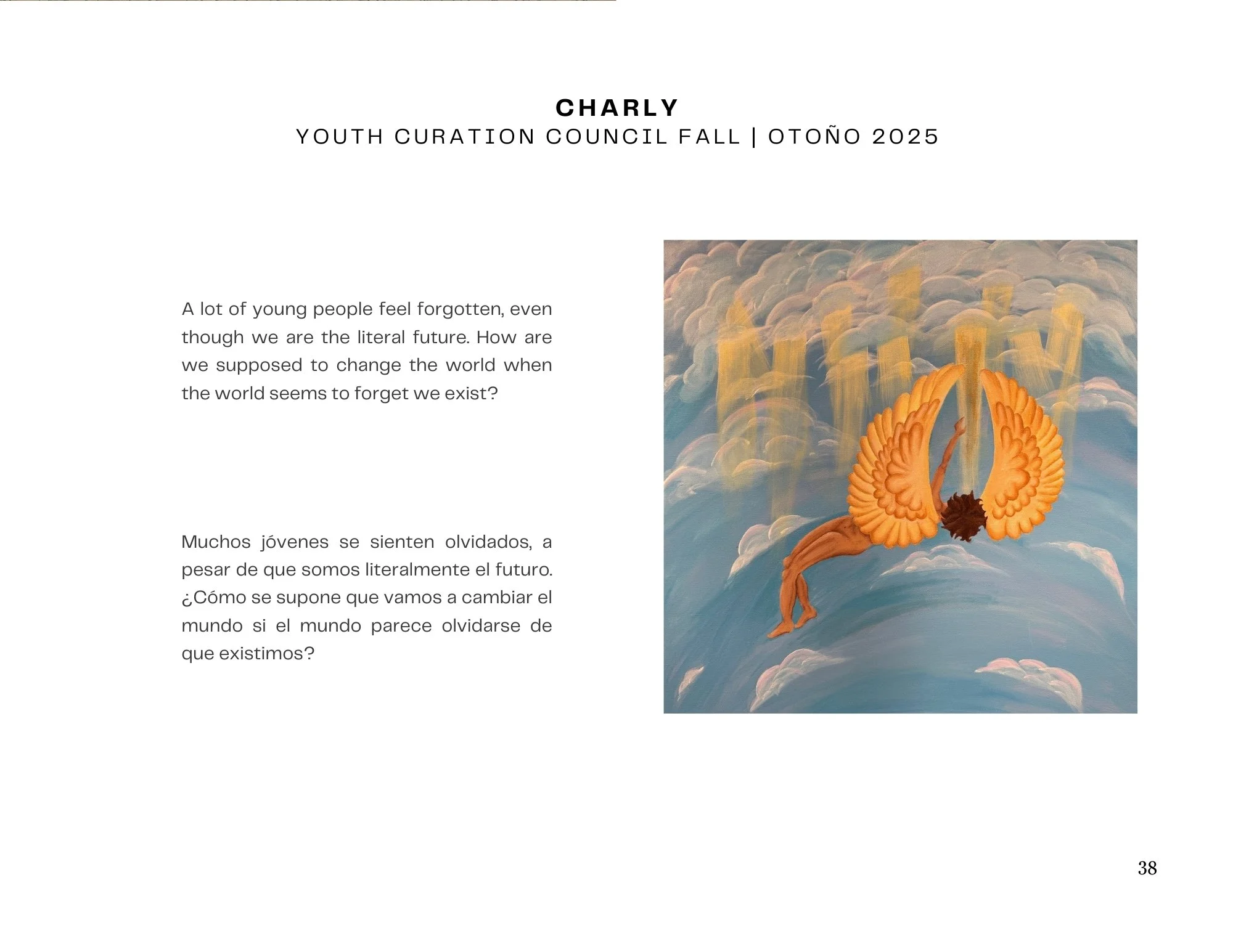
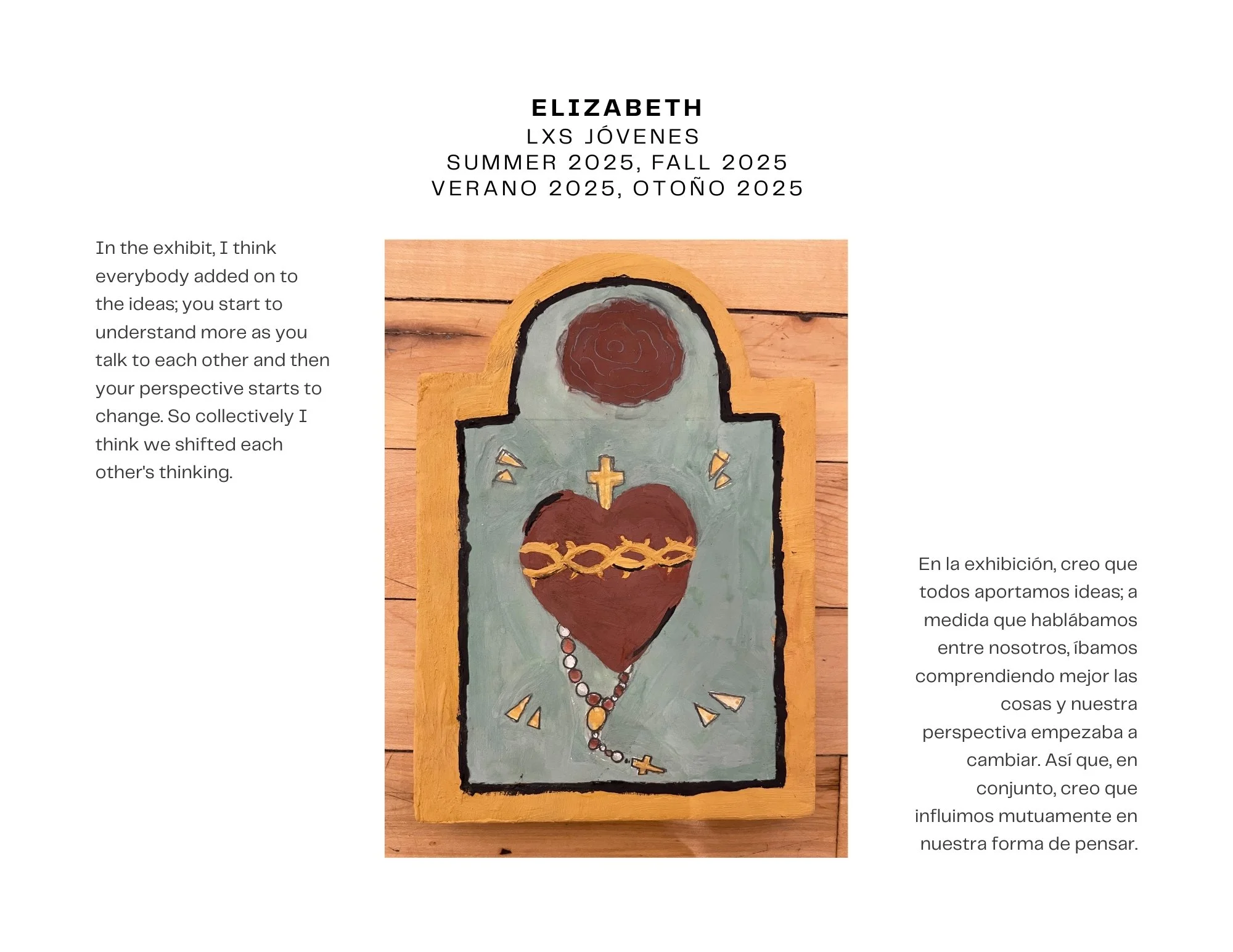
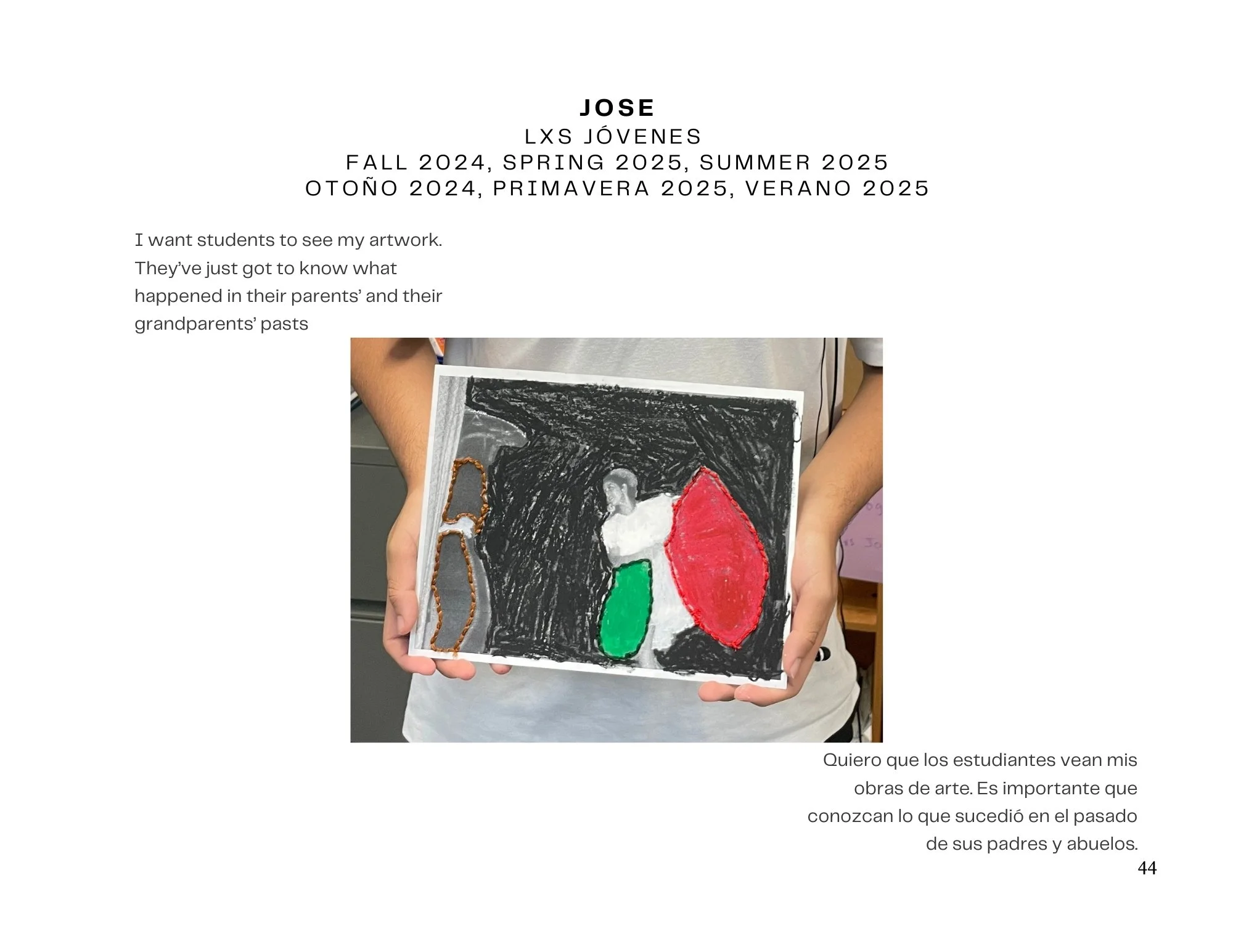
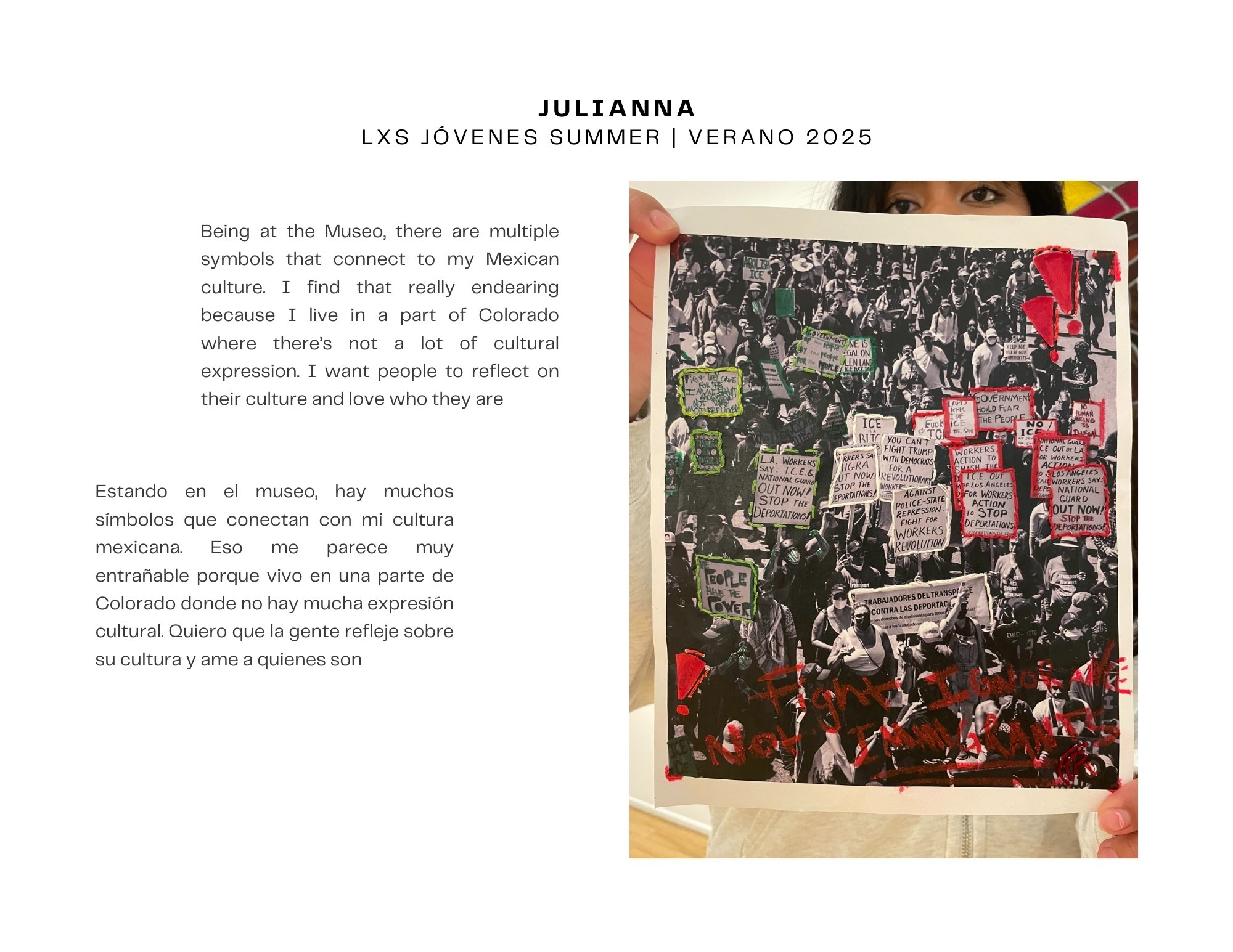
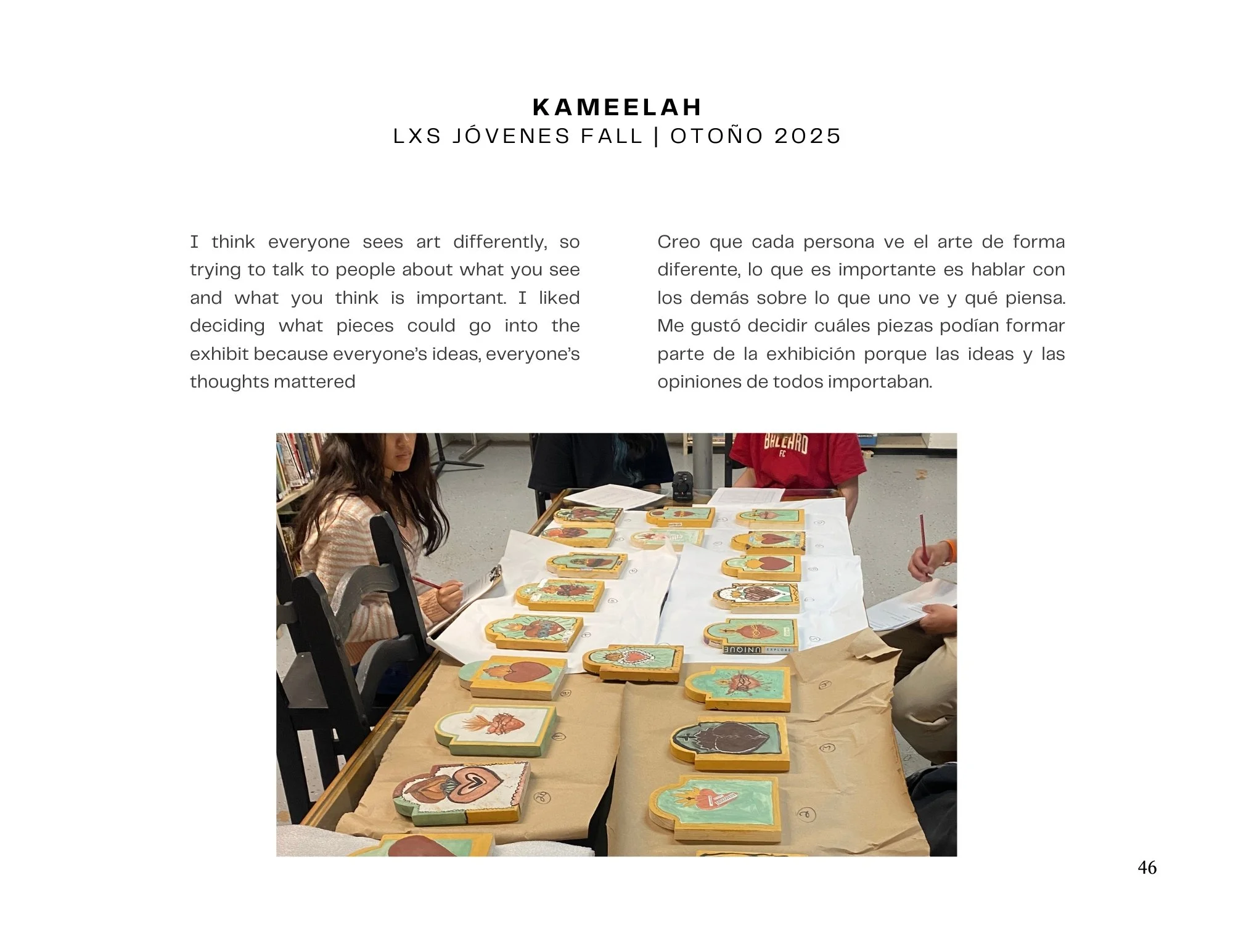
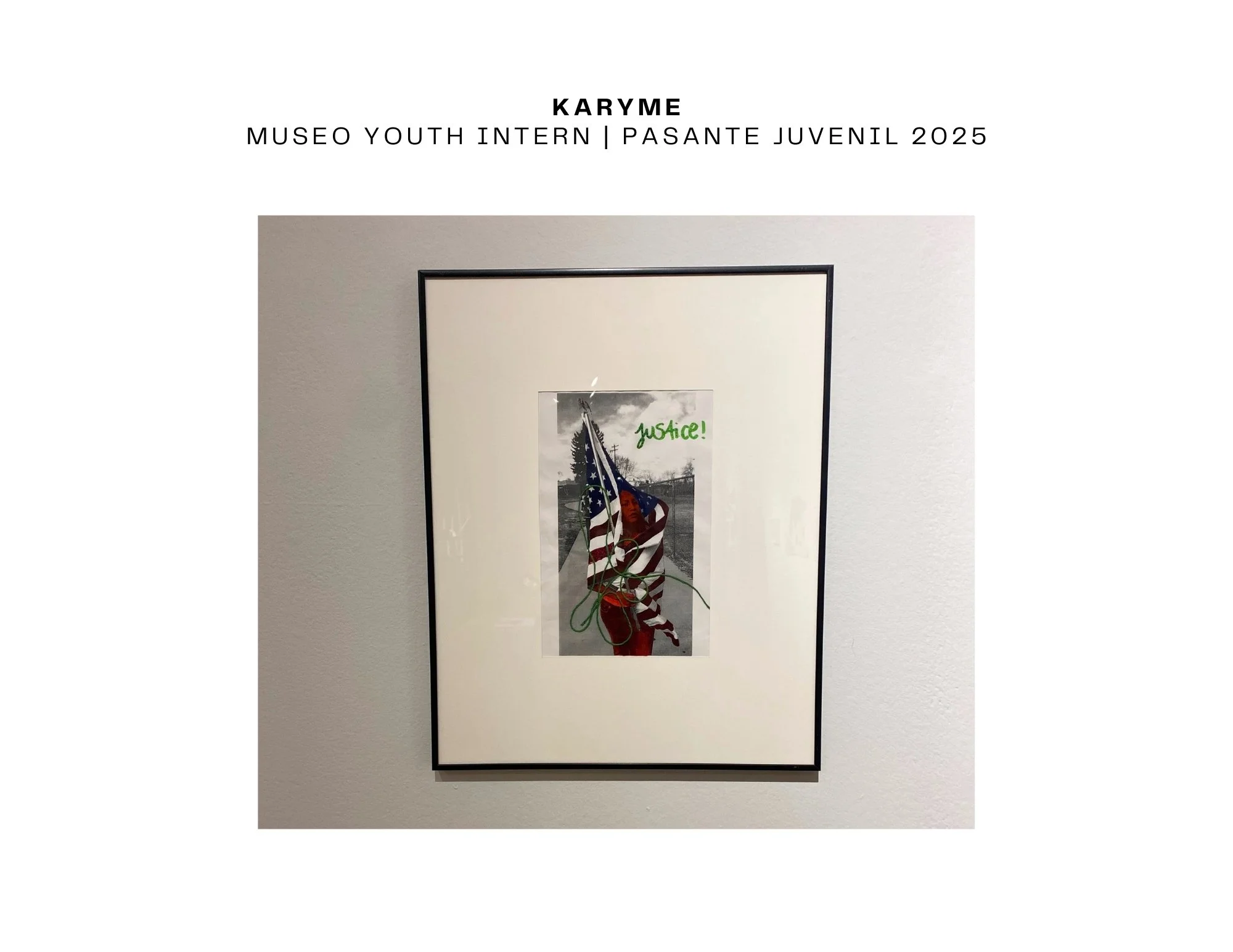
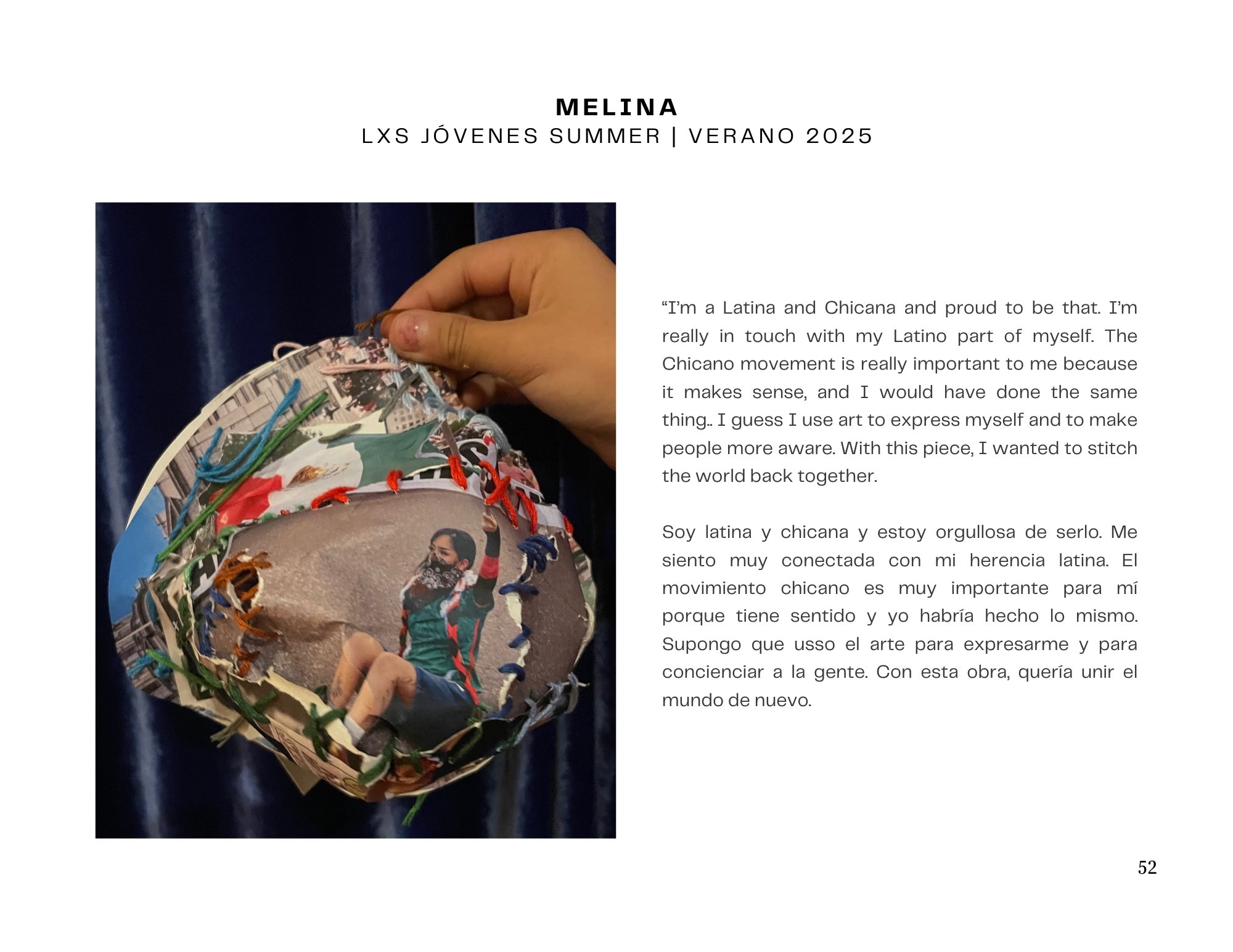
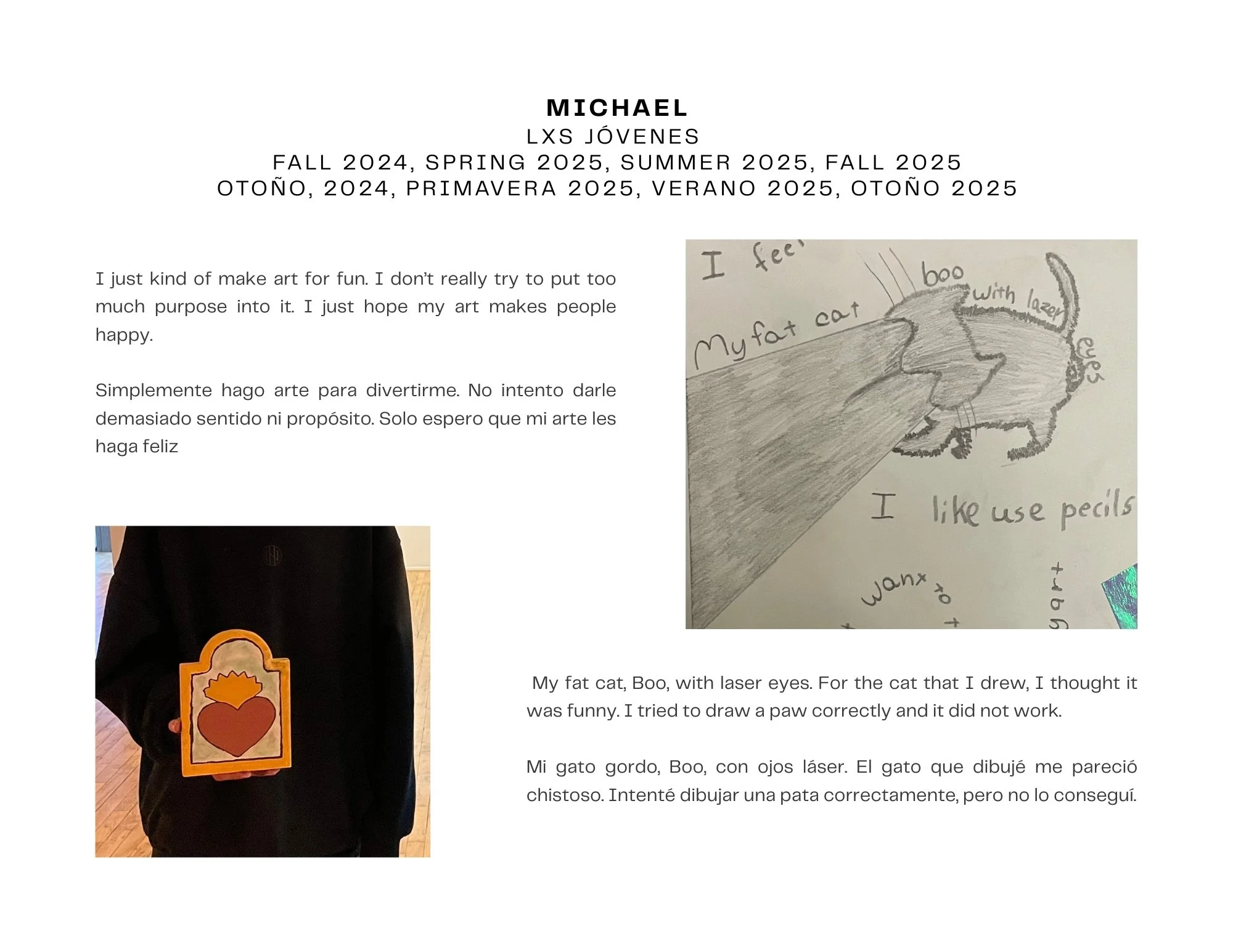
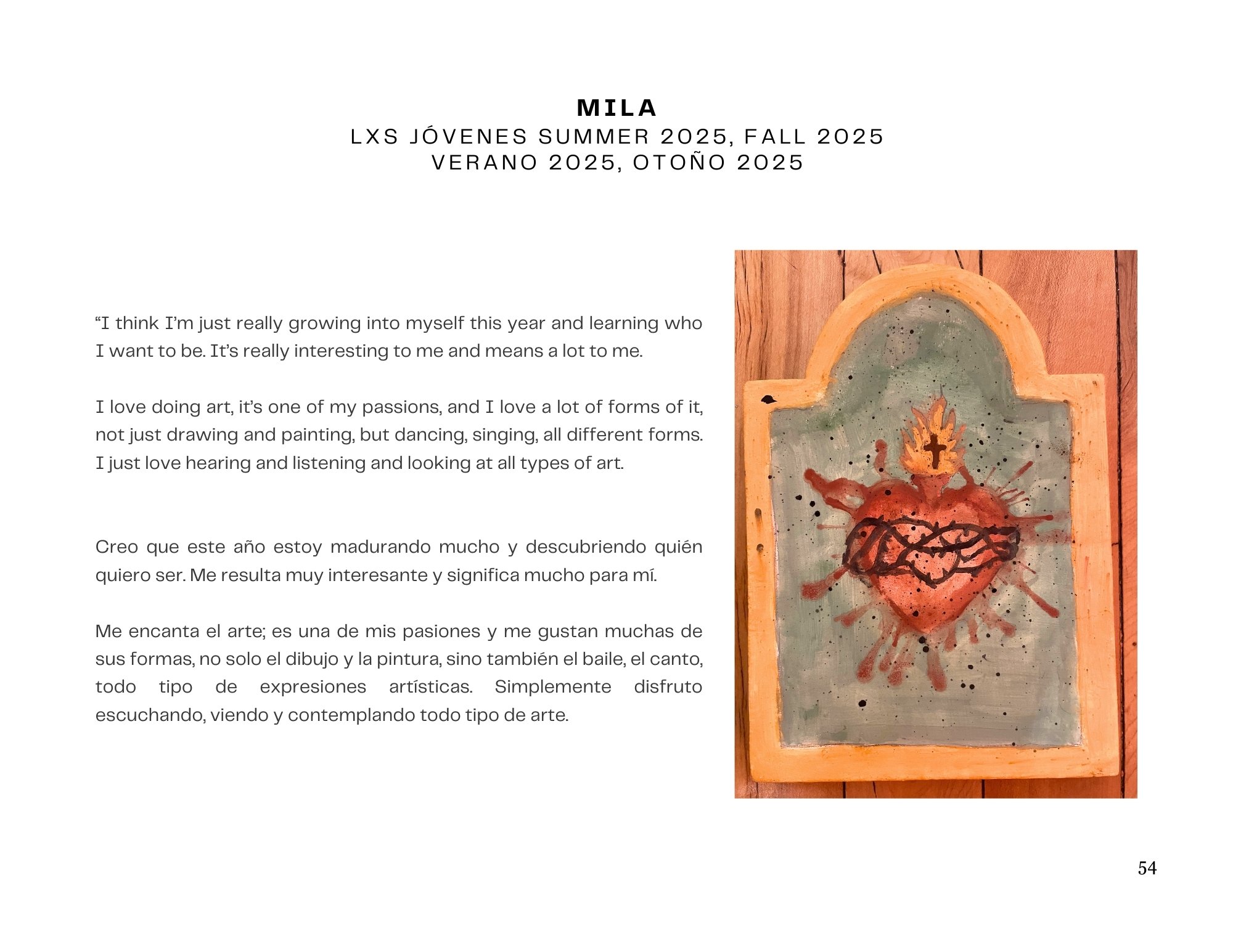
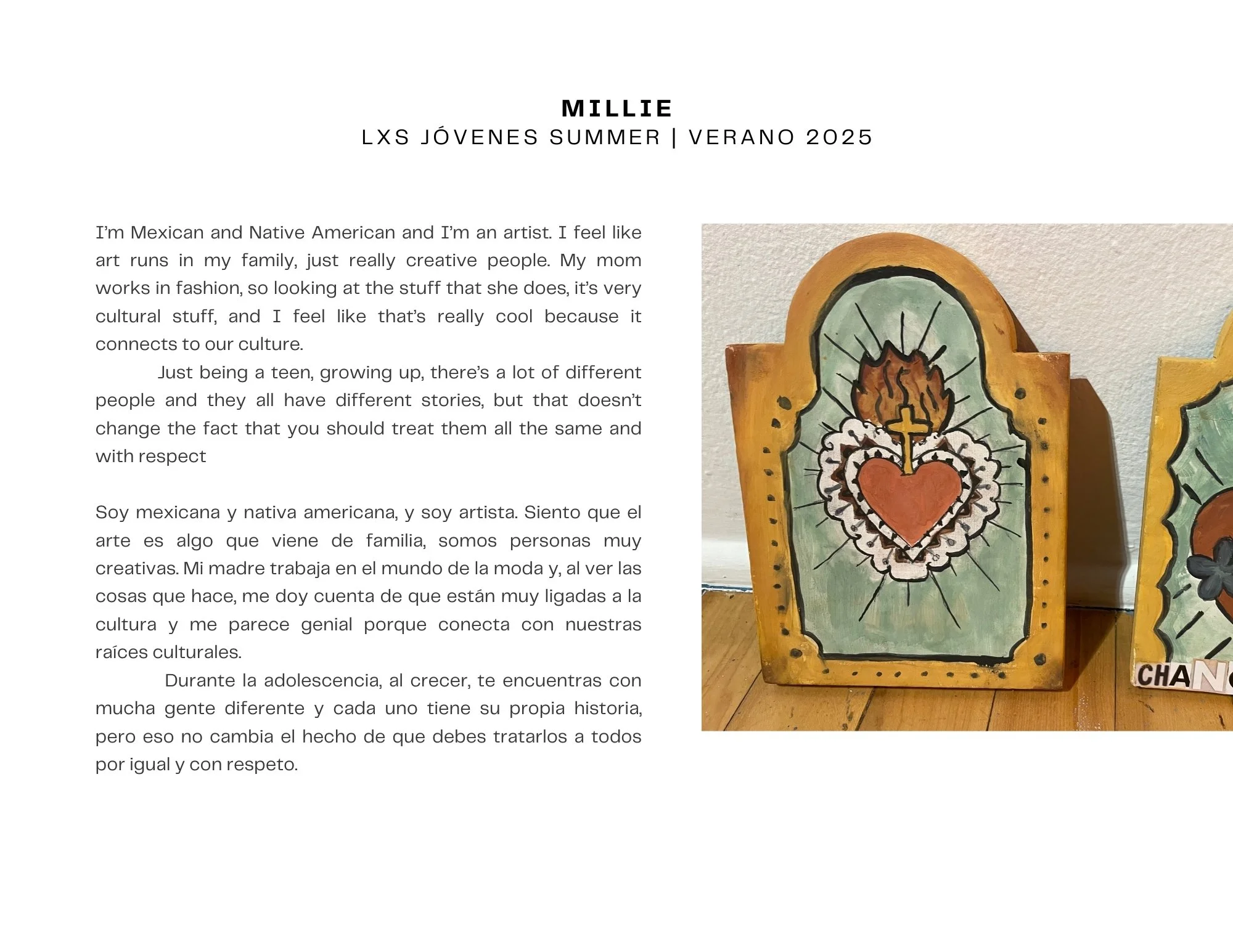
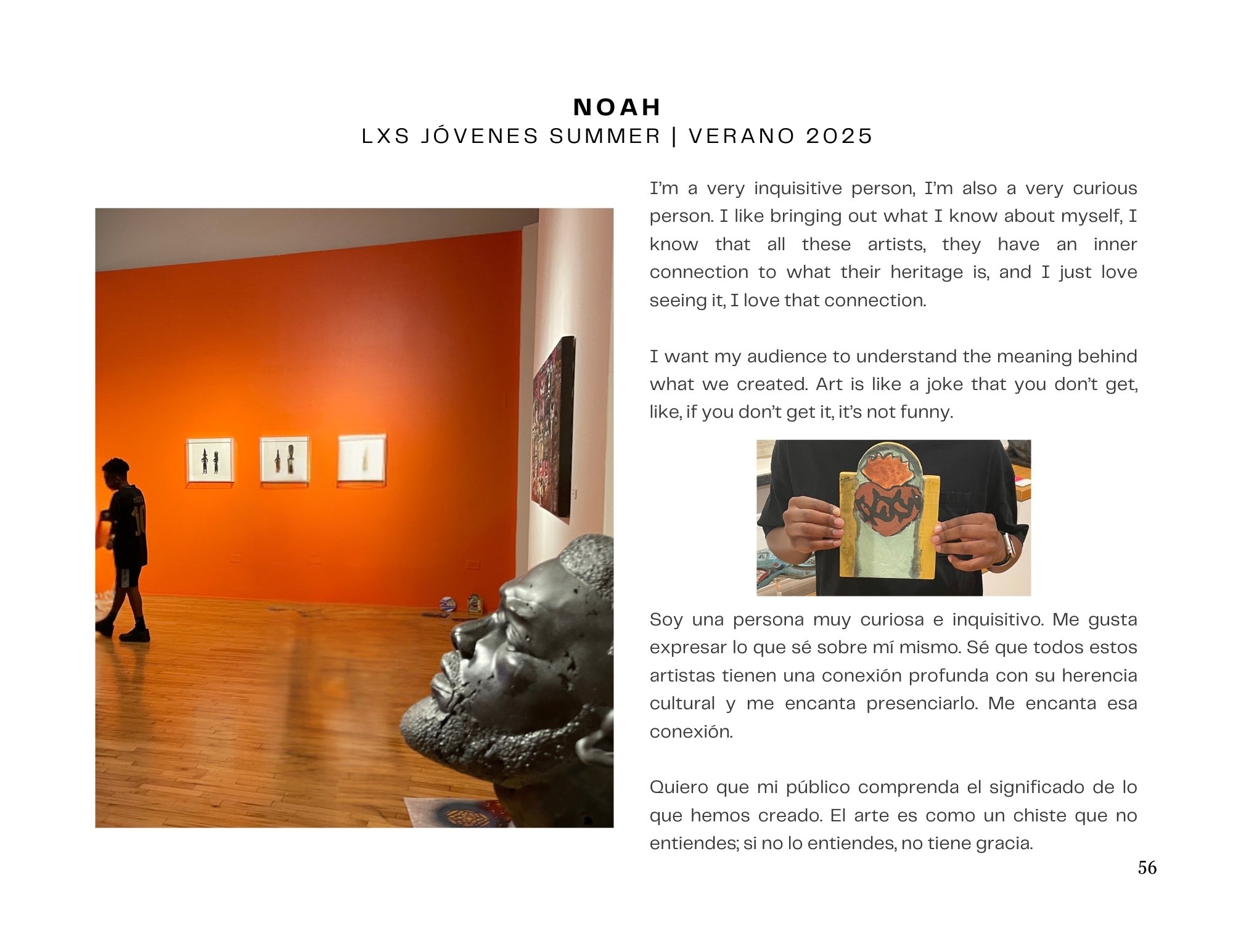
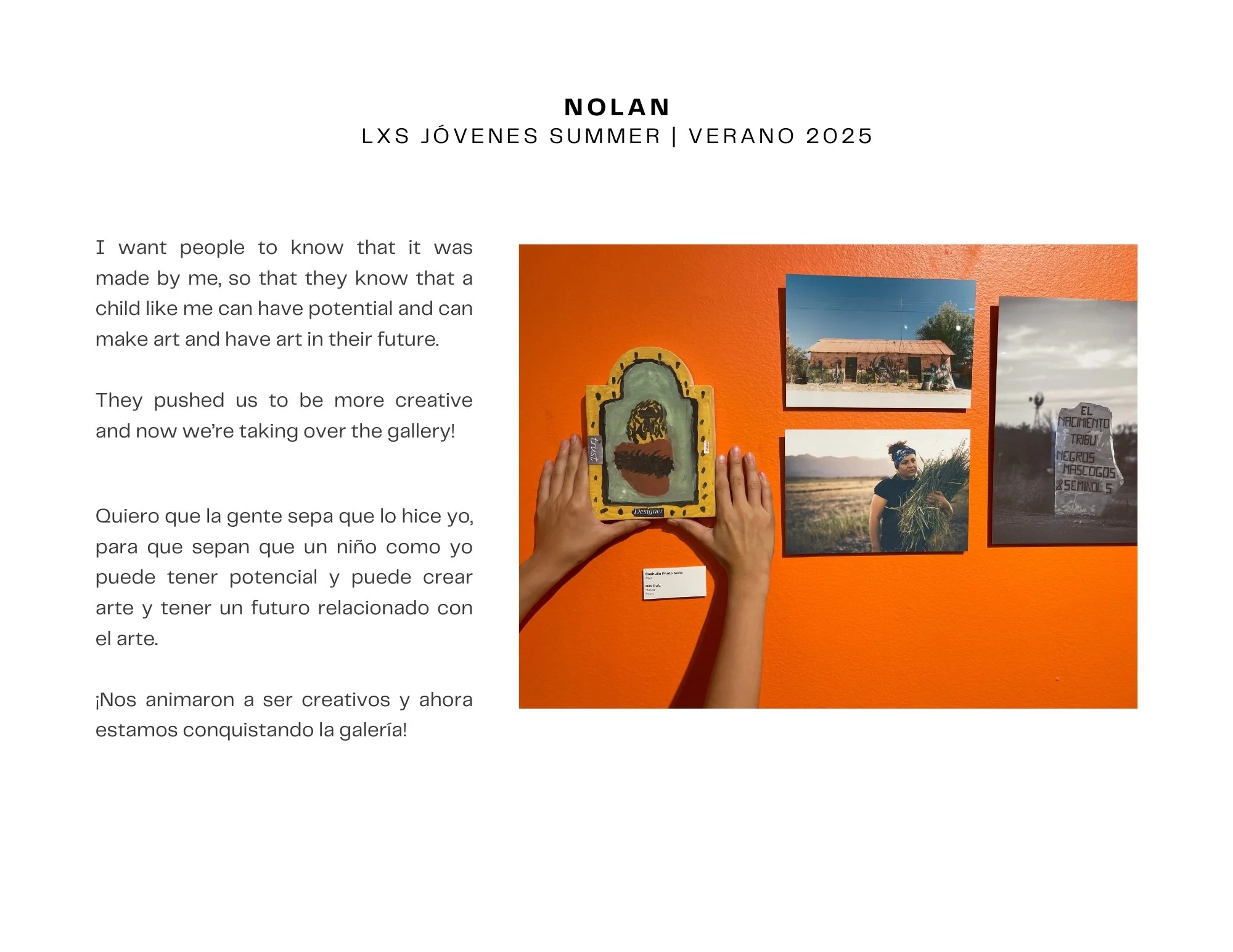
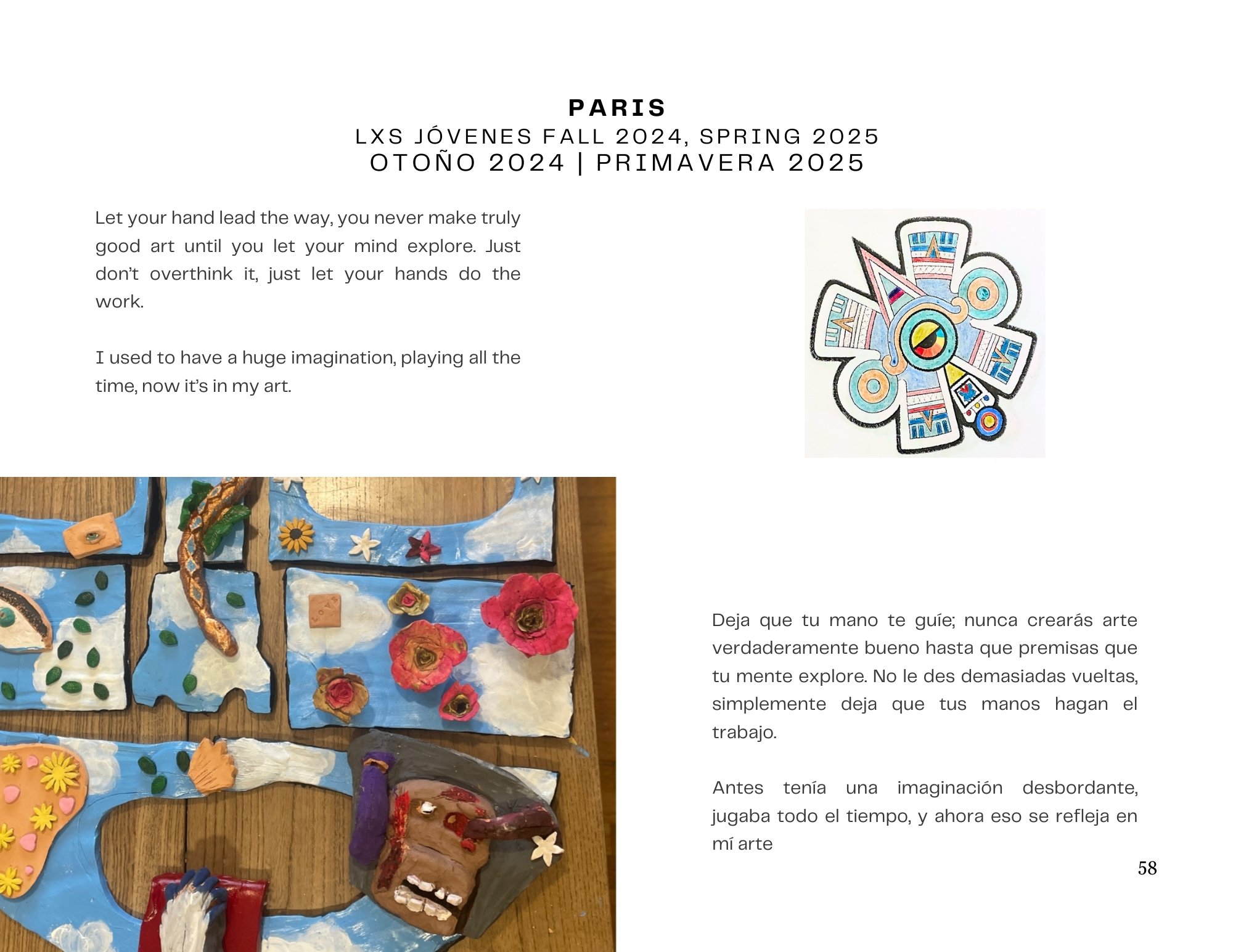
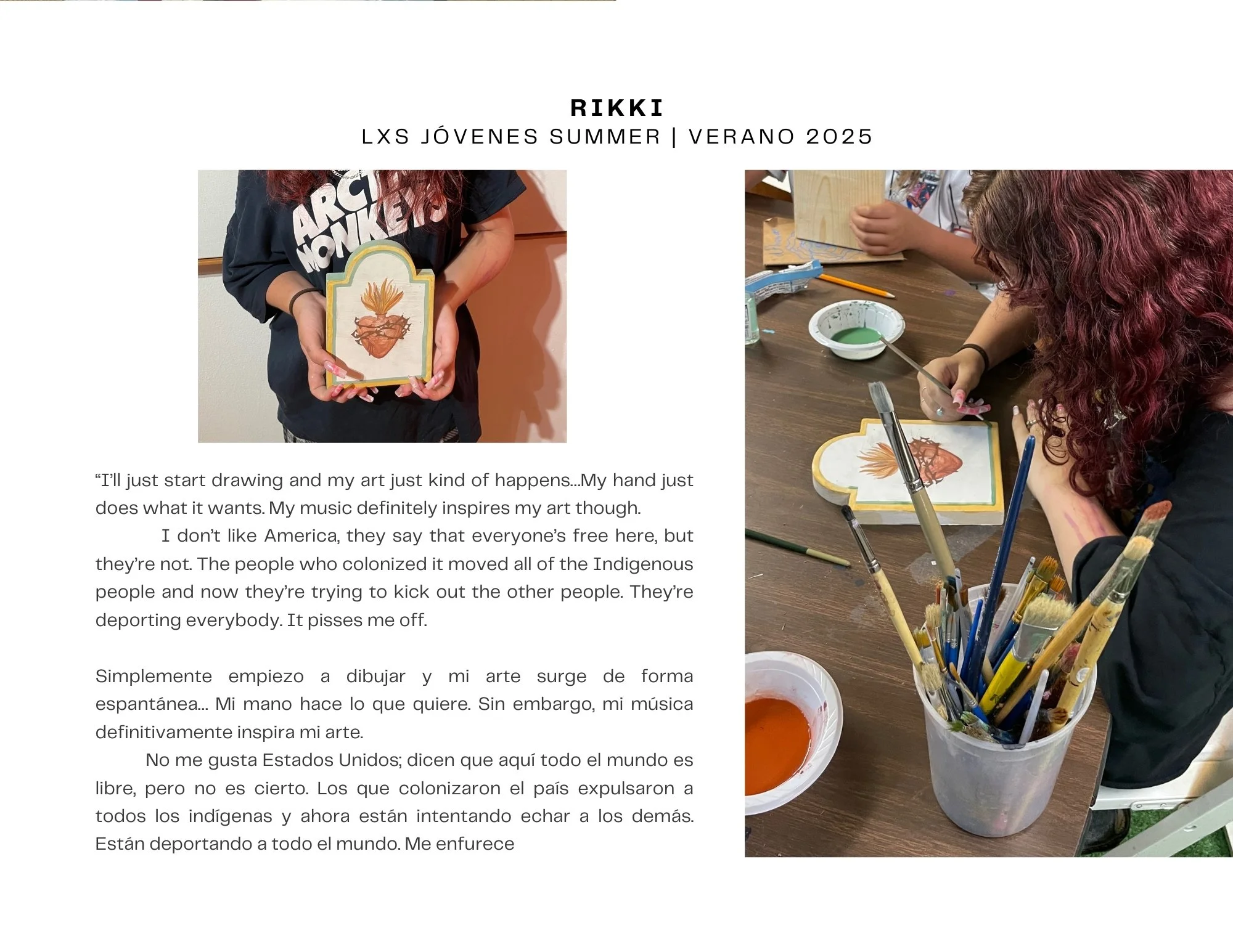
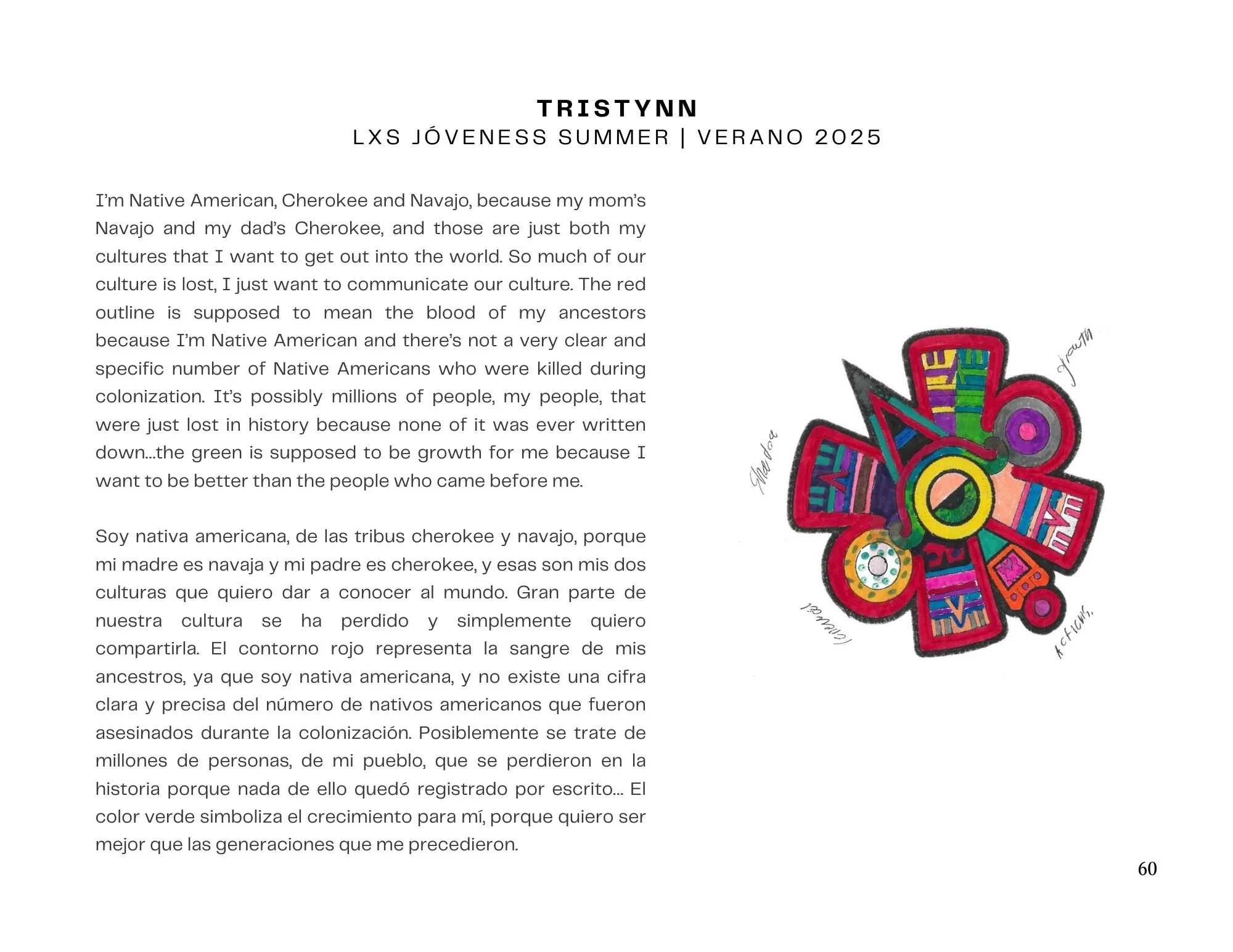
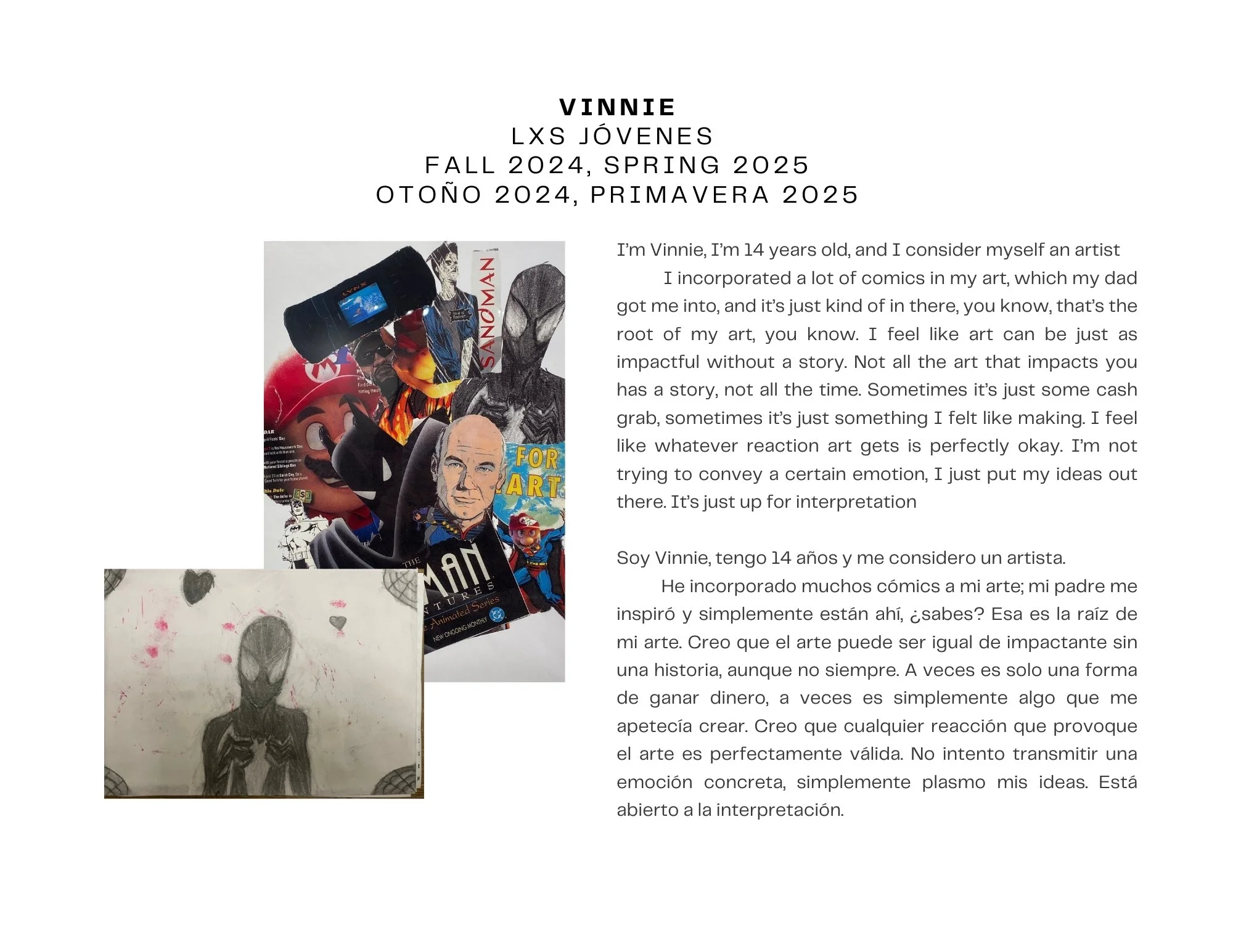
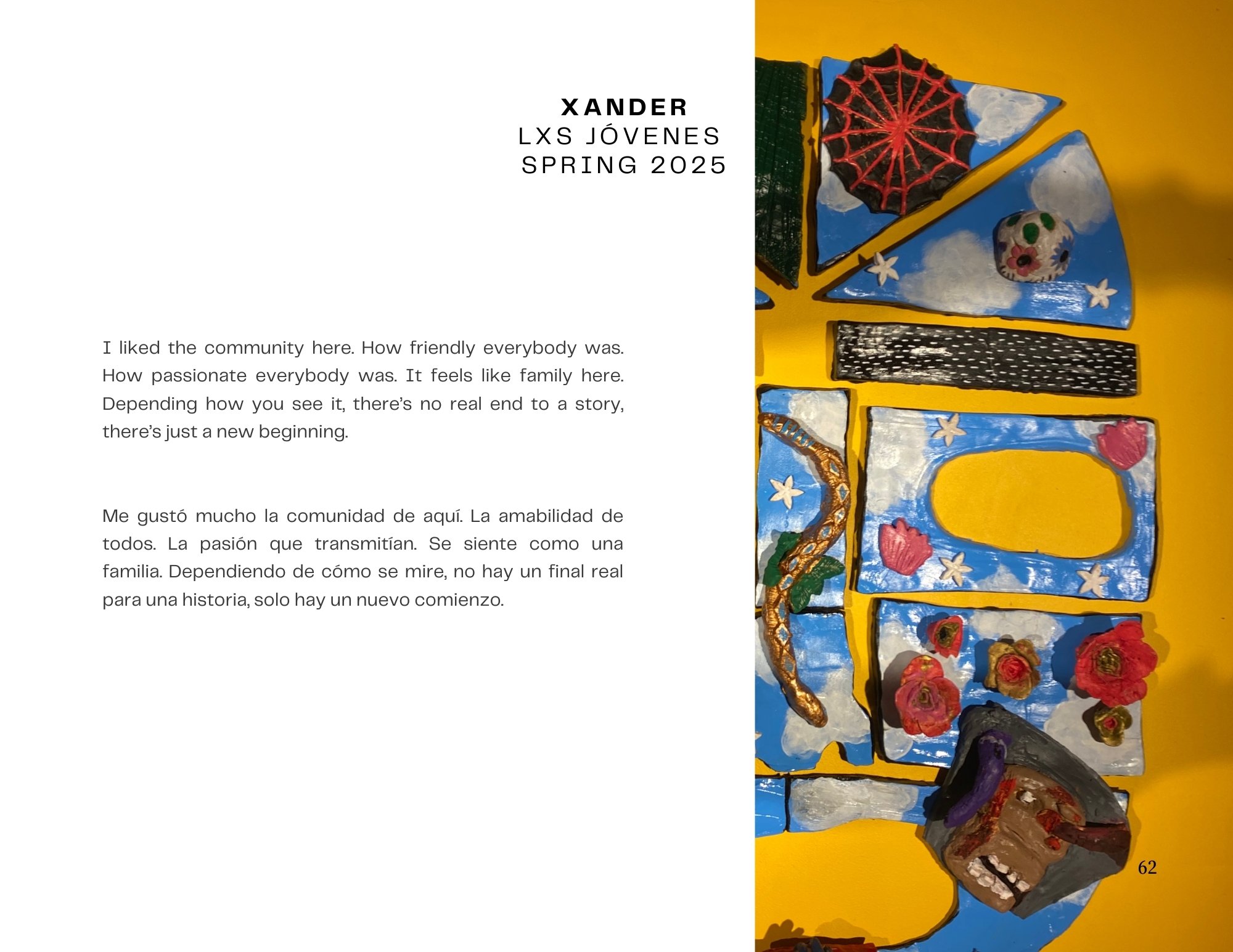
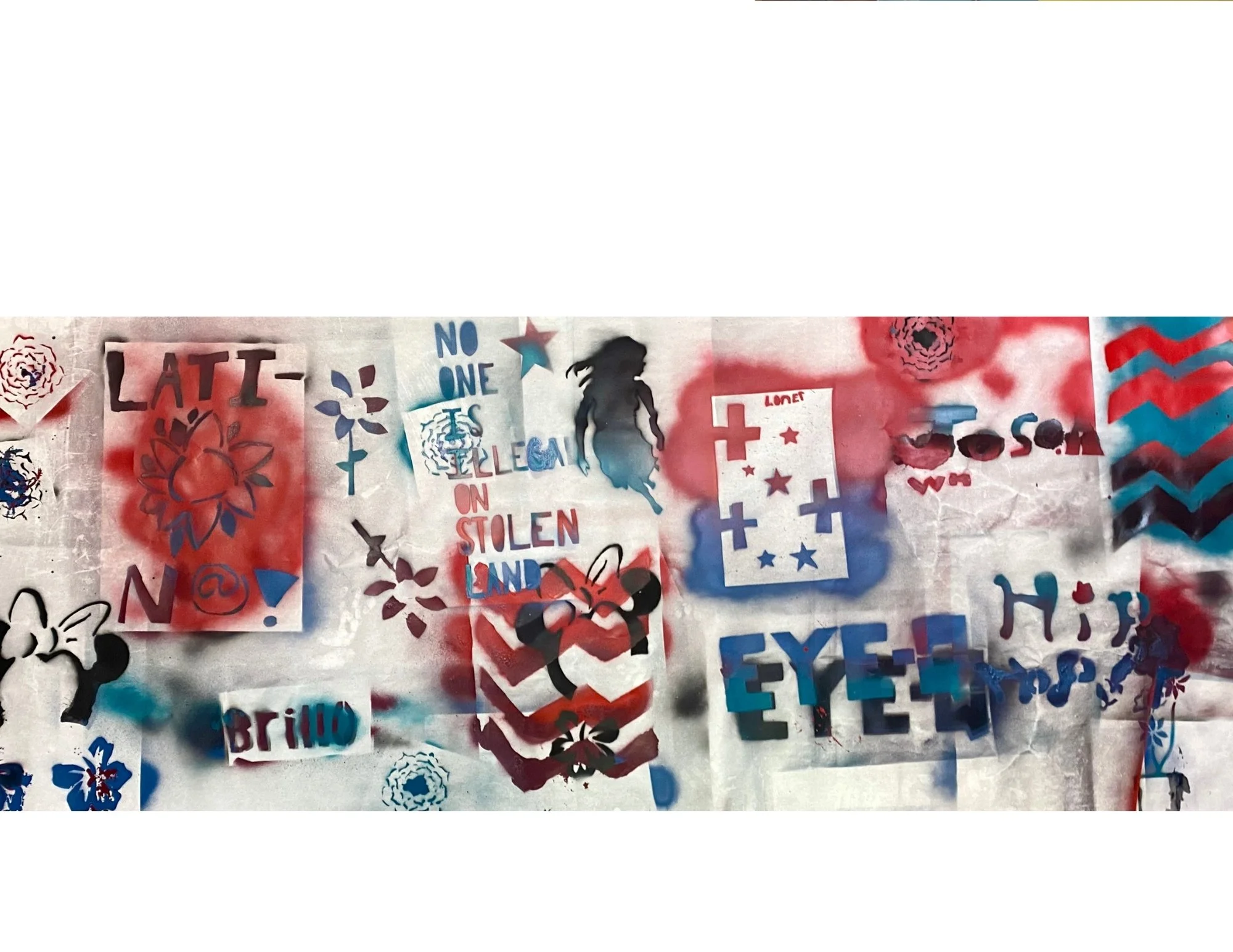
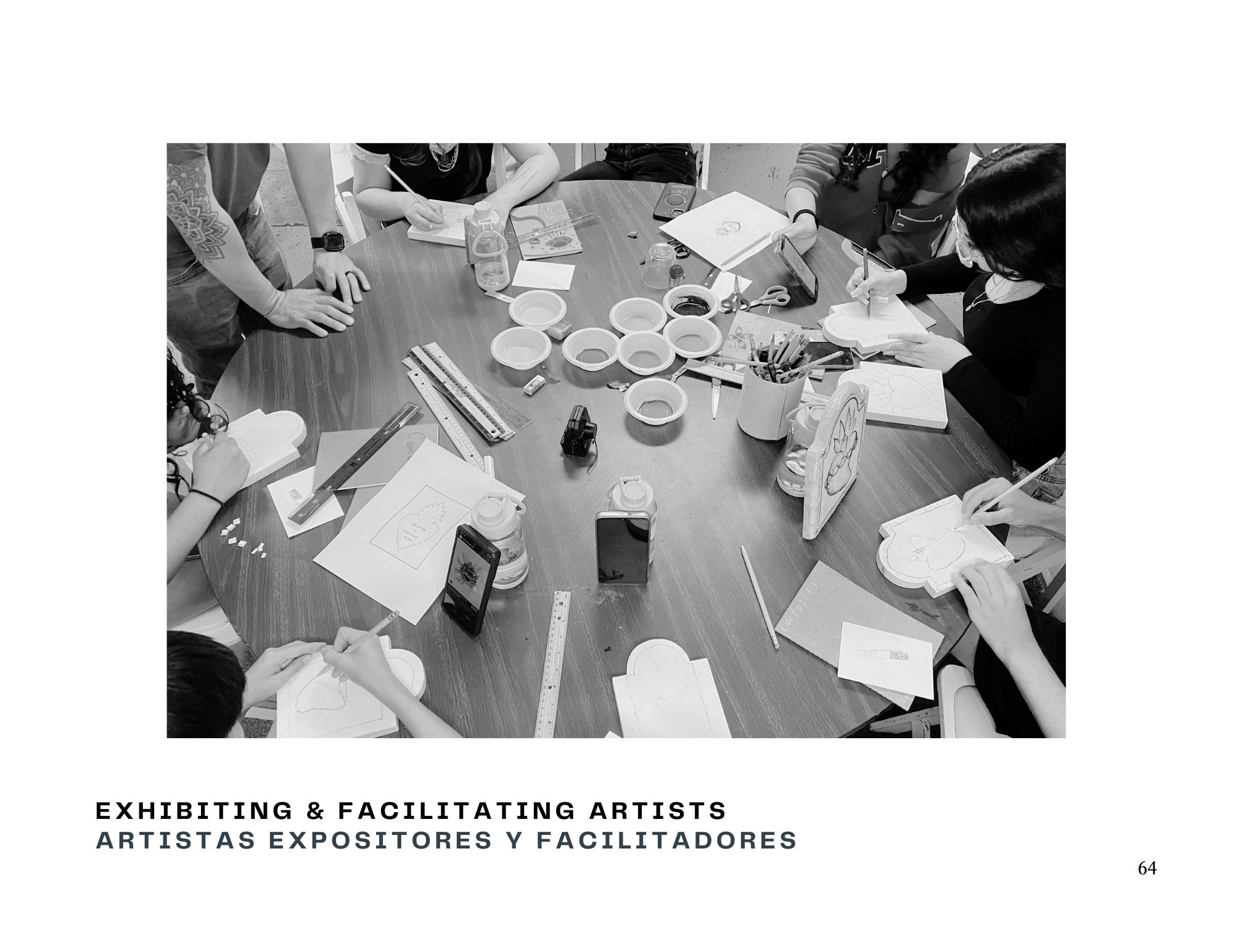
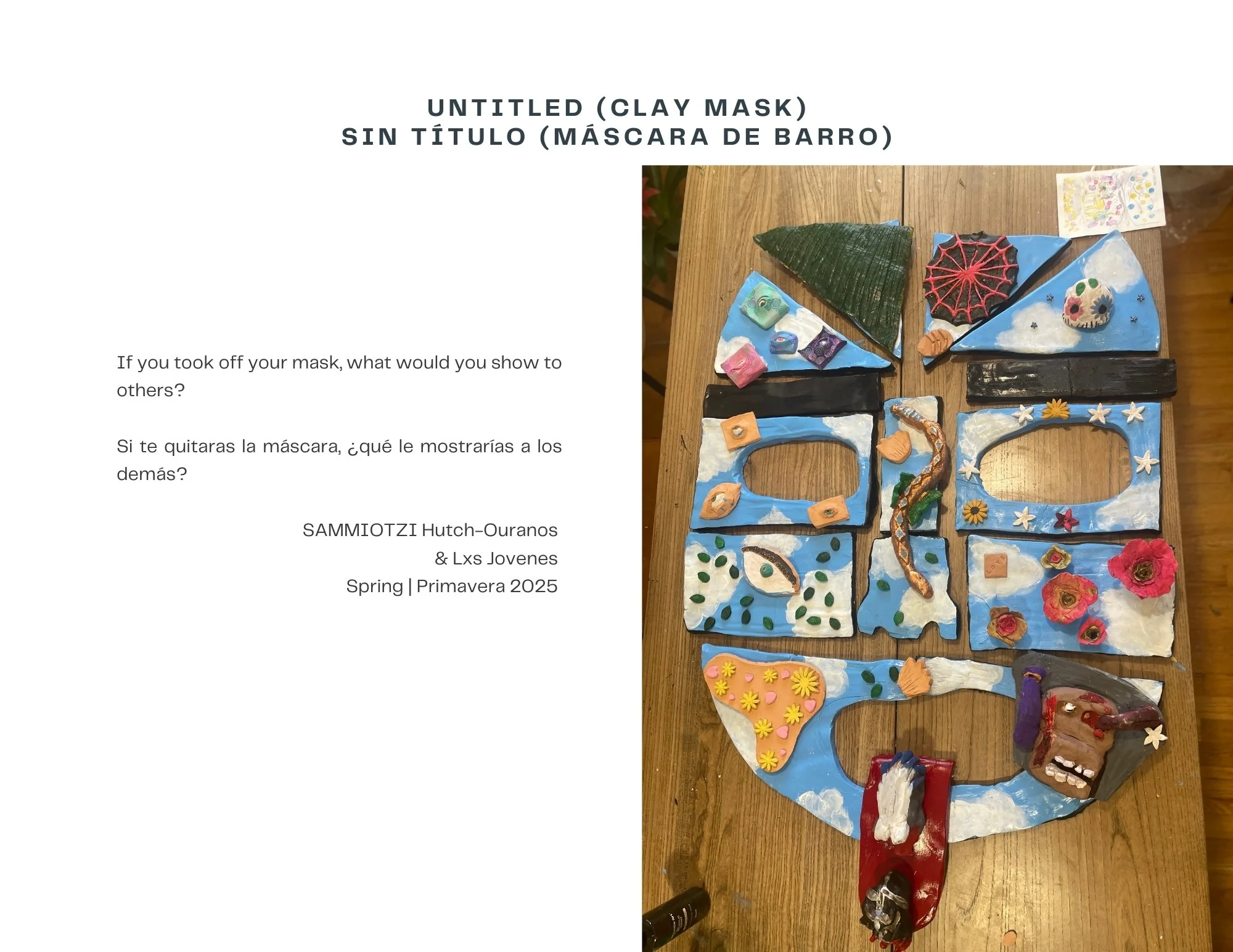
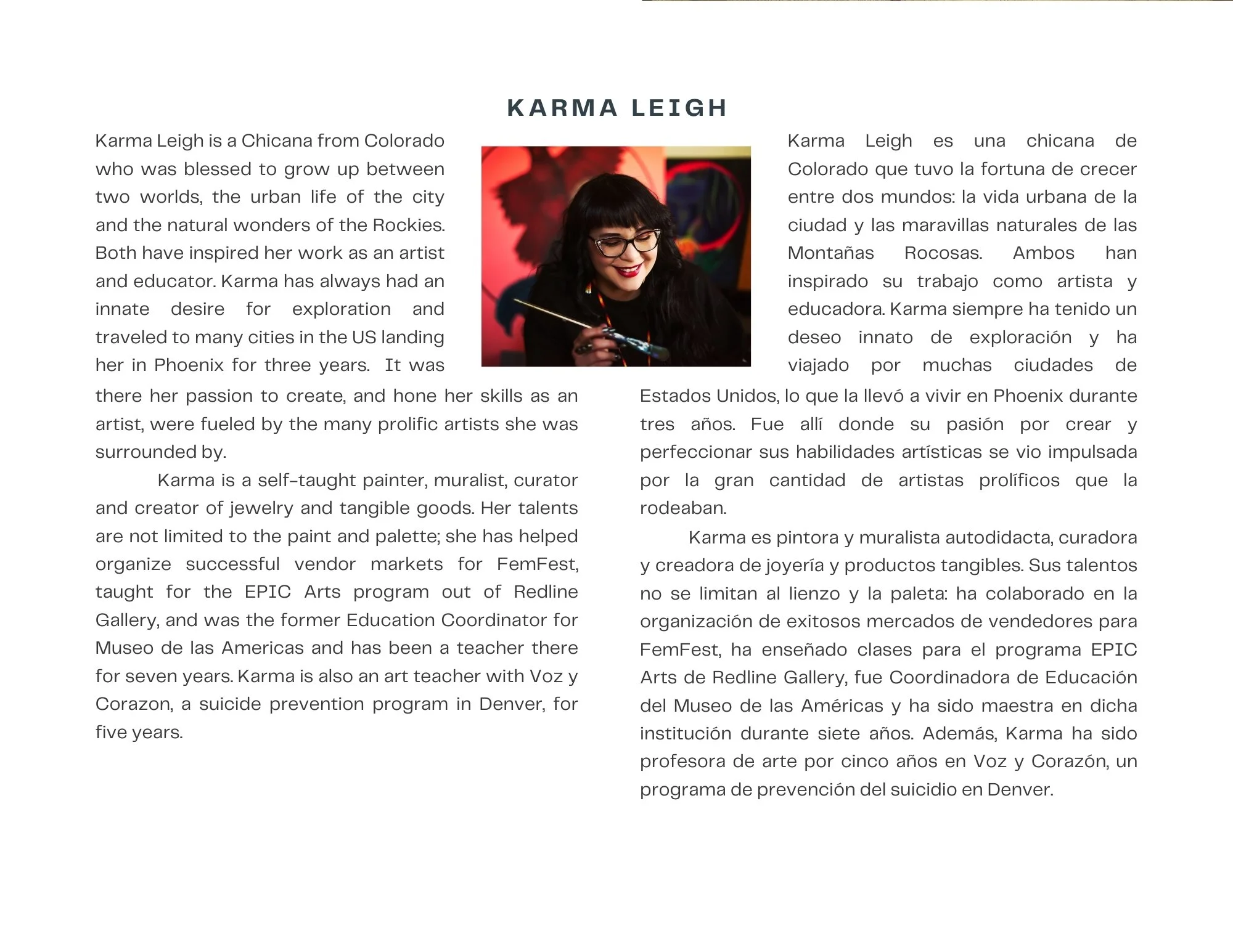
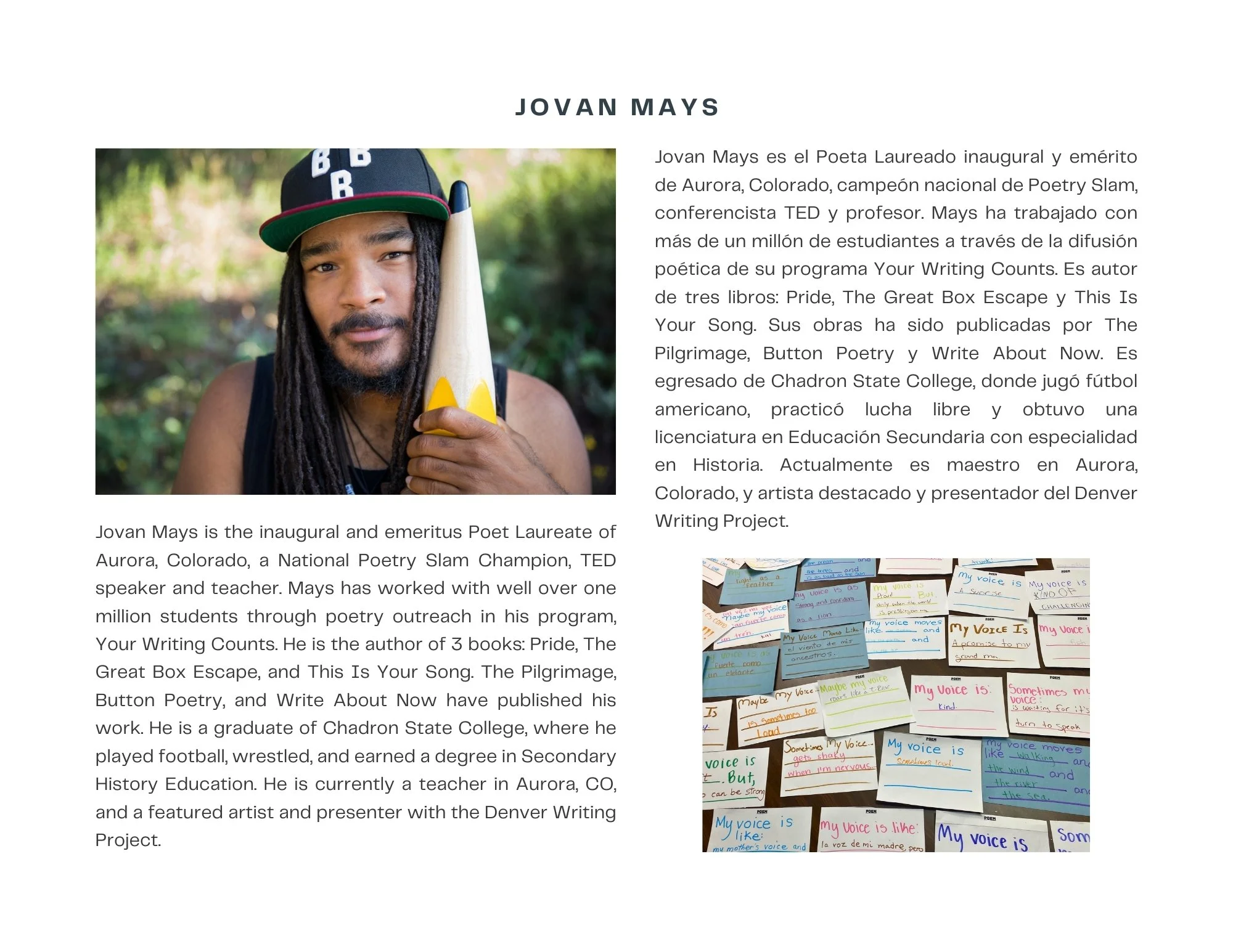
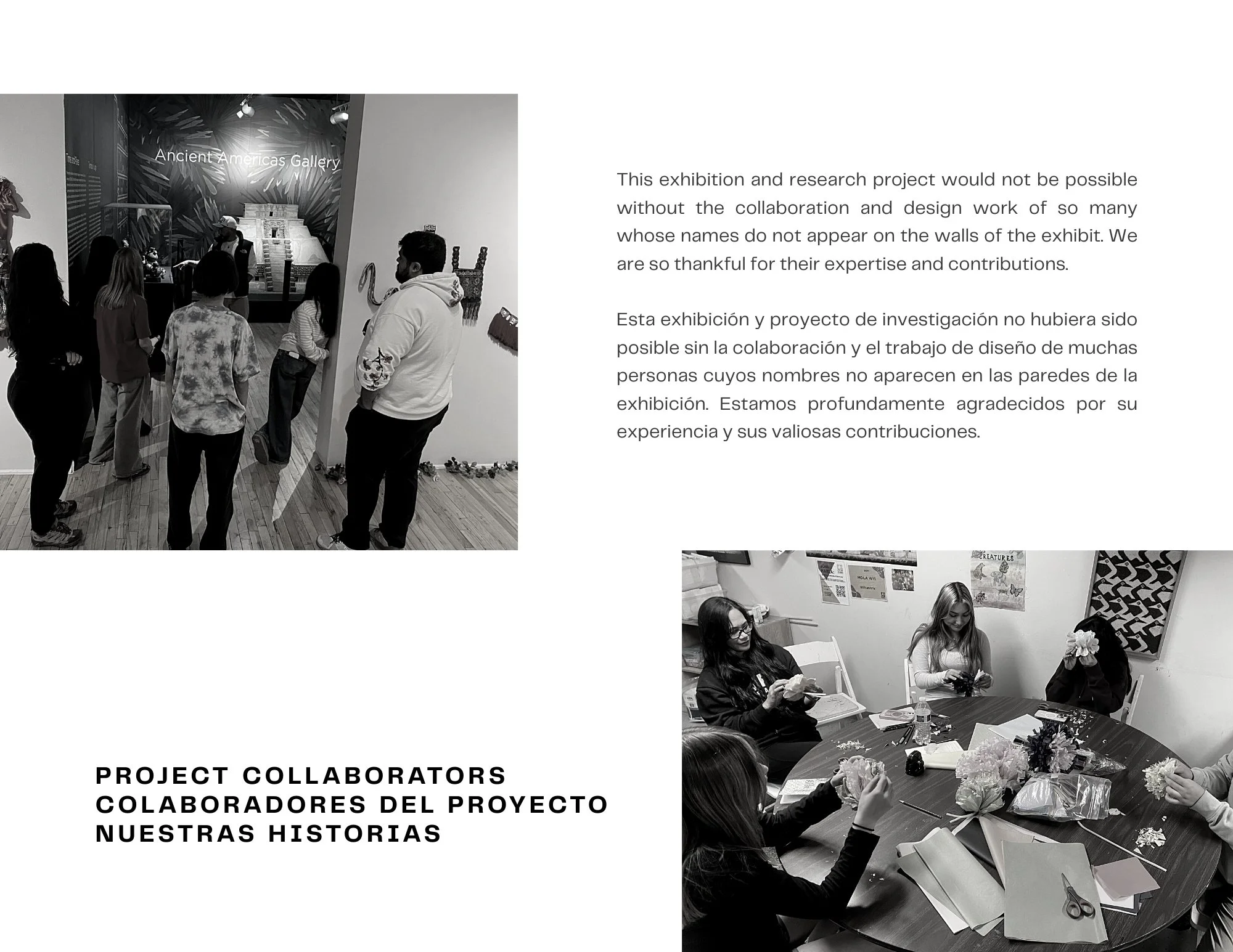
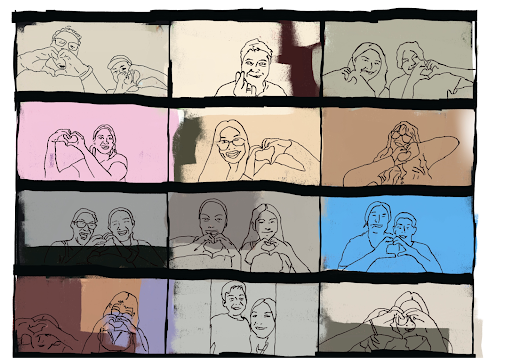
Nuestras Historias is an exhibit and research project dedicated to reimagining whose stories, ideas, and artwork show up in professional museum exhibits. For the past two years, youth from across Denver worked with professional artists, community members, researchers, educators, and museum experts to develop this art exhibit. This book documents their experiences, artist statements, and ideas about how to make the world a better, more creative and joyful place. The exhibition features youth from Museo's Lxs Jóvenes Leadership Lab and professional creatives in a powerful artistic conversation. Our research asks how youth can be invited to collaborate with elders to tell stories of their experiences and identities in public spaces. Throughout the project, artists and educators invited the teens to explore: Who is a museum for? Whose stories does it tell? What stories would you share? Youth answered through artwork, displayed here alongside that of the professional artists as equally valid expressions of identity, justice, tradition, and play.
research
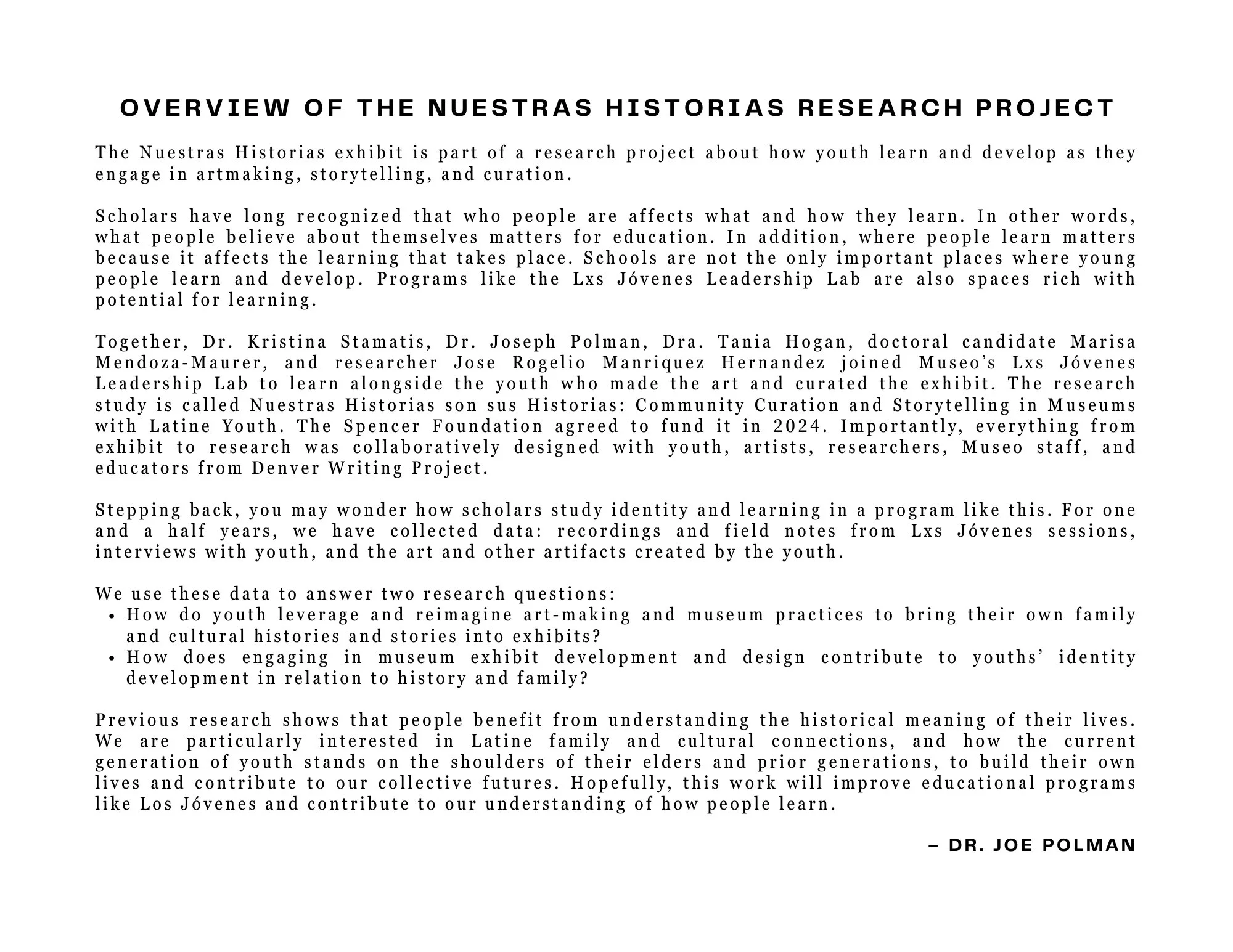
The Nuestras Historias exhibit is part of a research project about how youth learn and develop as they engage in art making, storytelling, and curation.
Scholars have long recognized that who people are affects what and how they learn. In other words, what people believe about themselves matters for education. In addition, where people learn matters because it affects the learning that takes place. Schools are not the only important places where young people learn and develop. Programs like the Lxs Jóvenes Leadership Lab are also spaces rich with potential for learning.
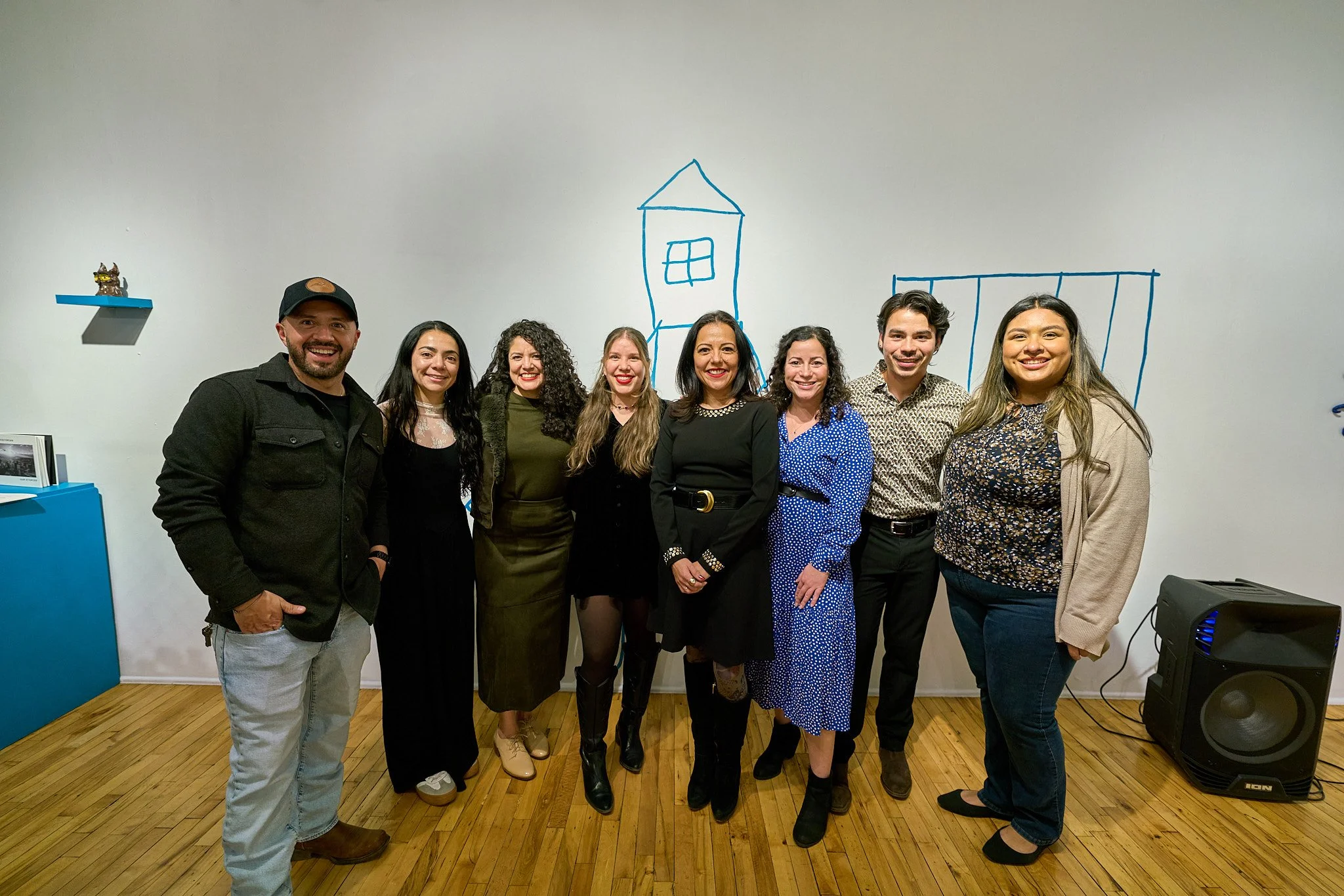
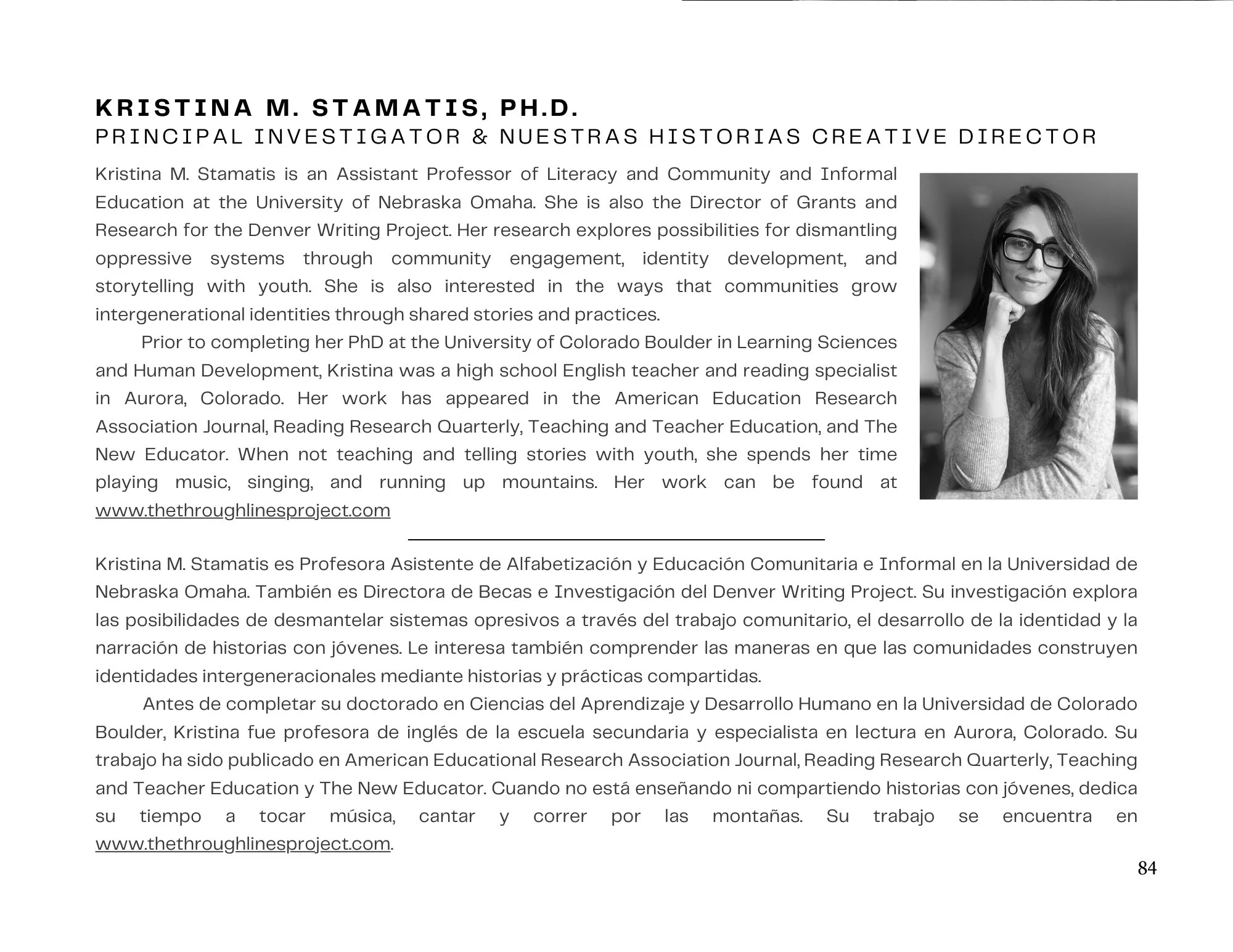
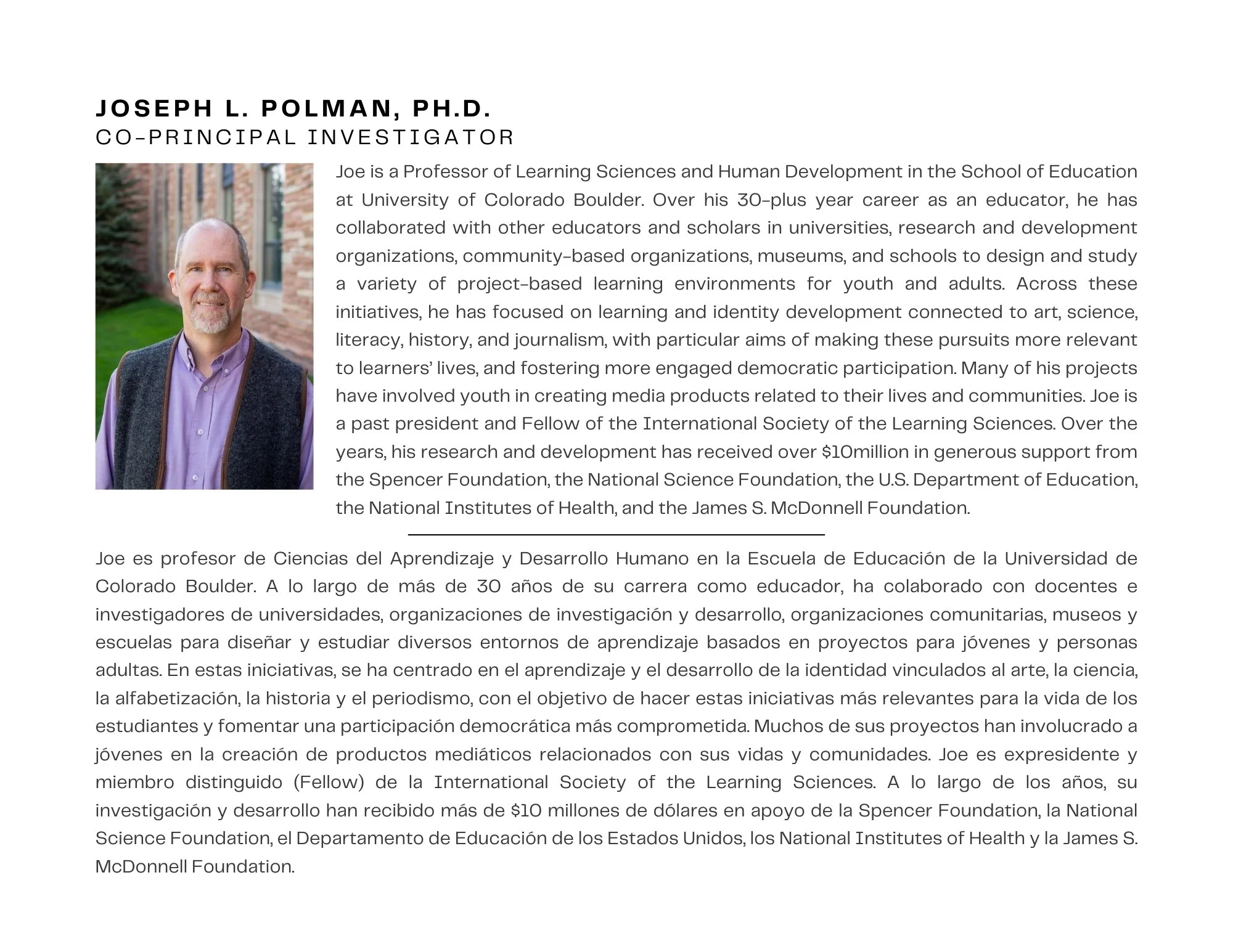
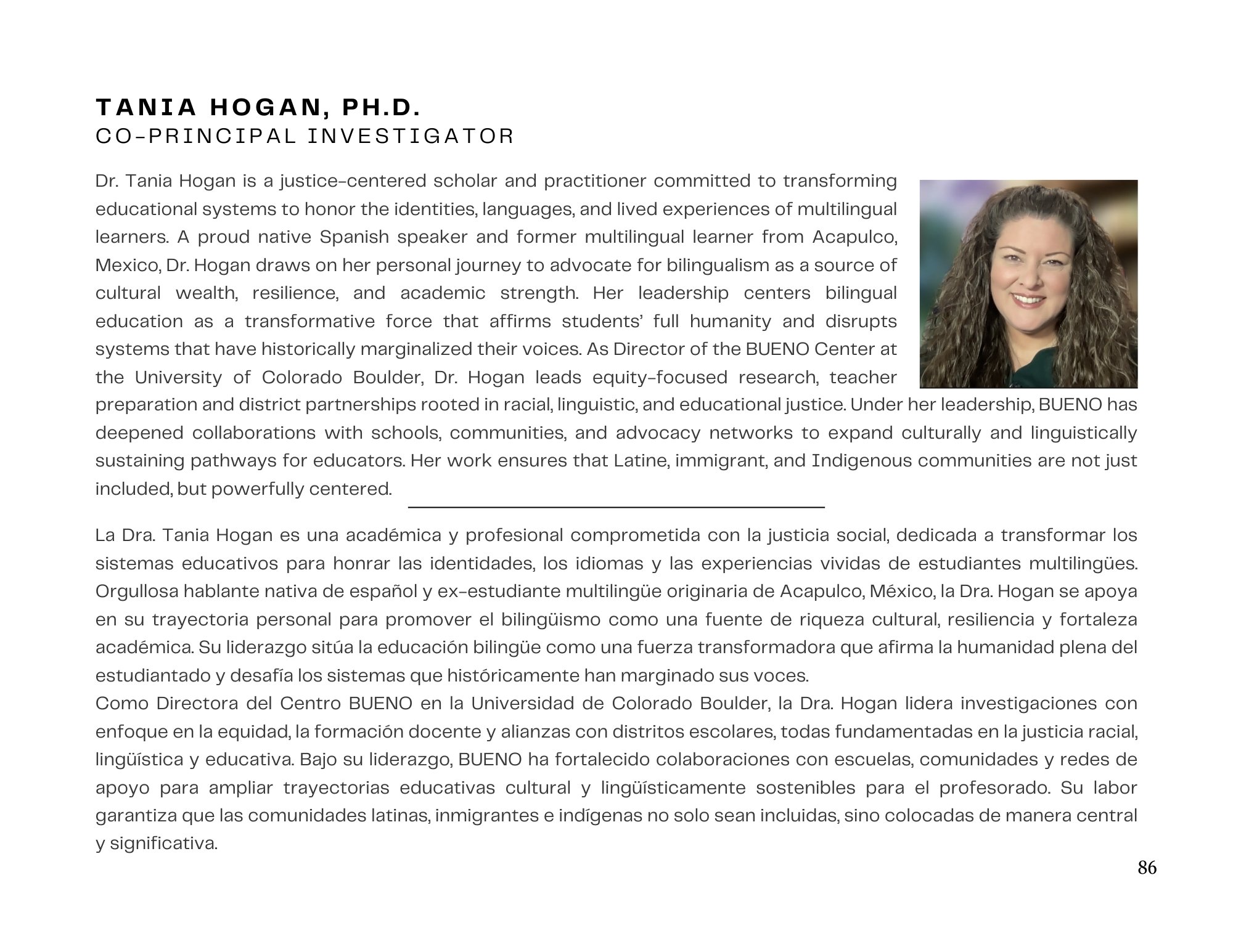
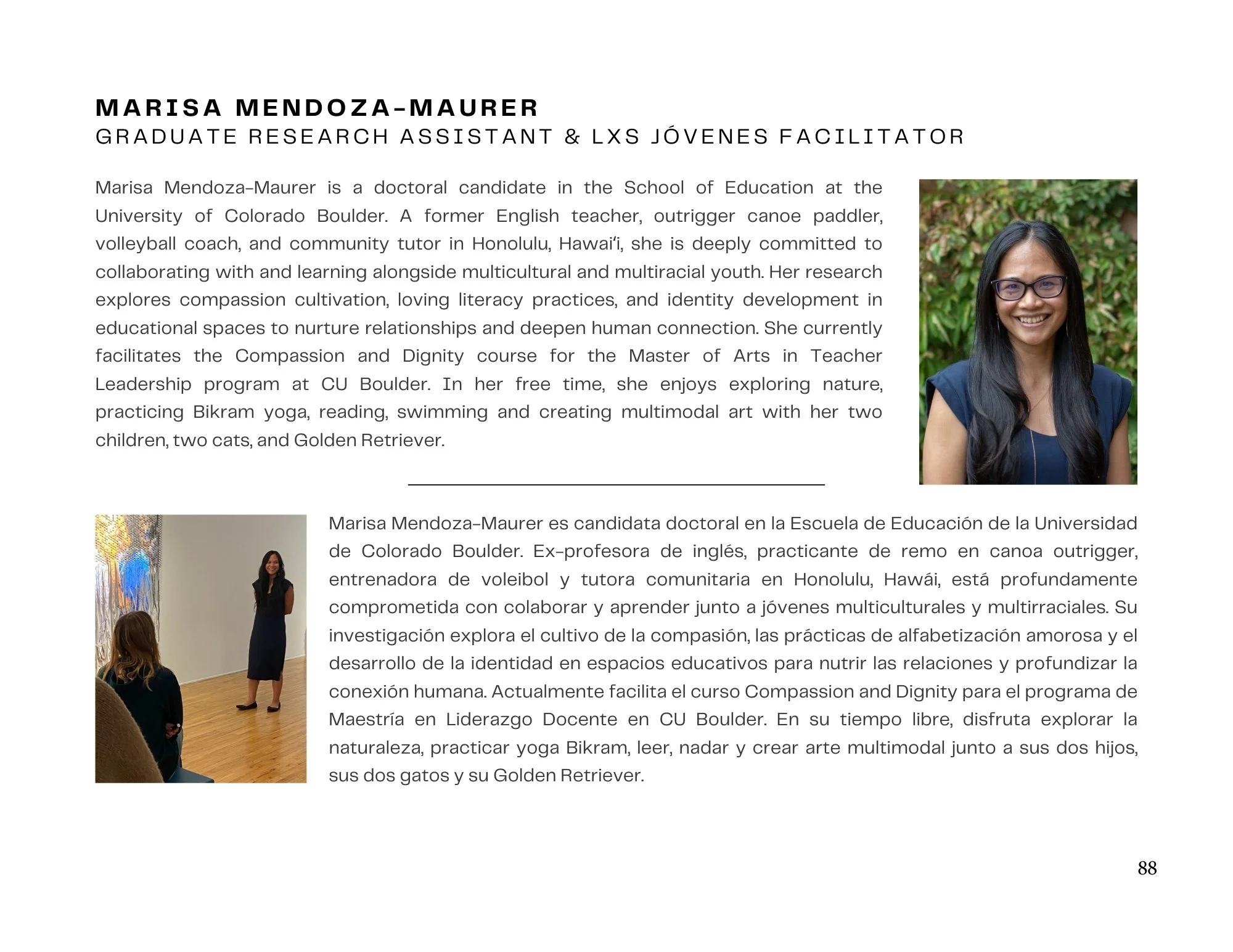
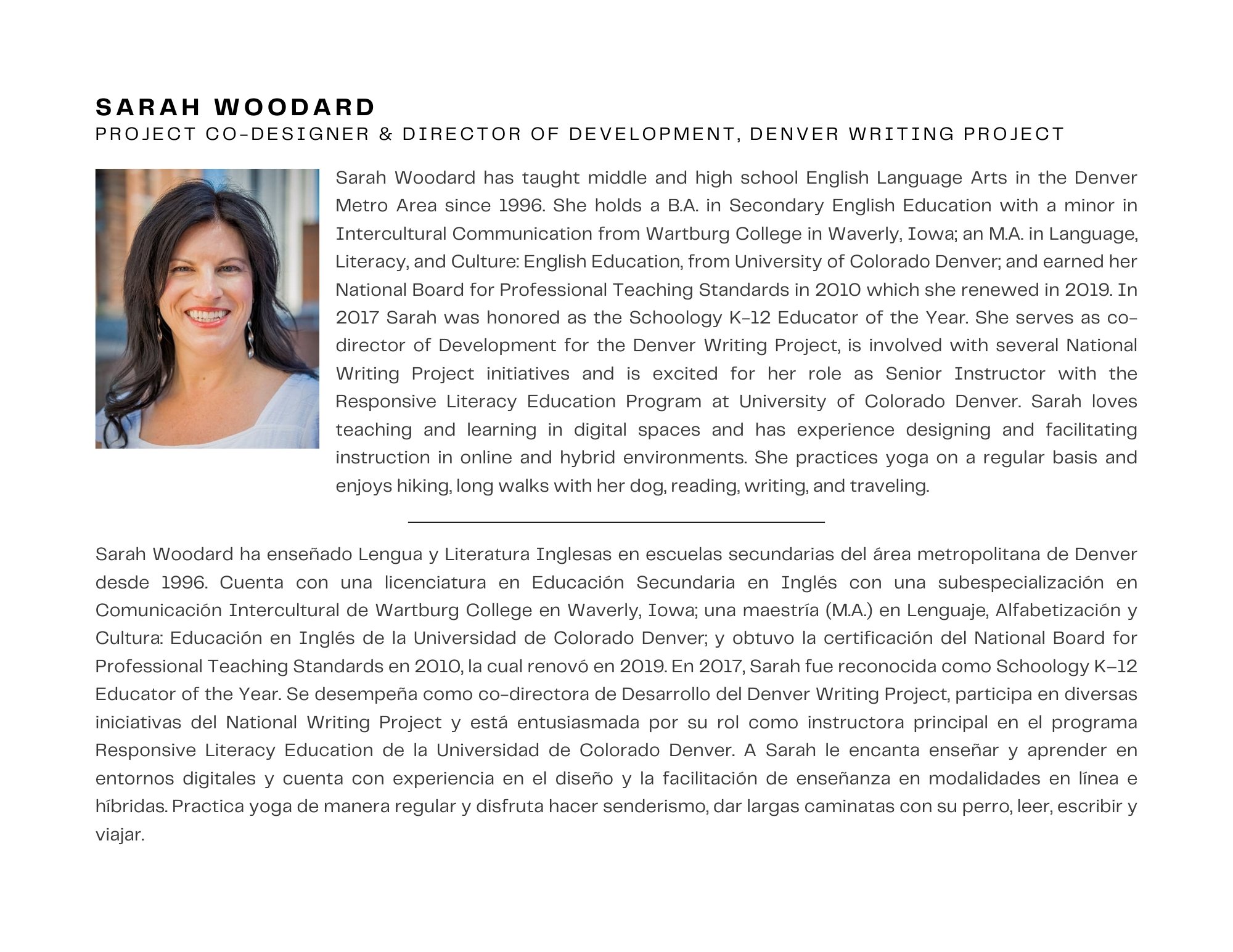
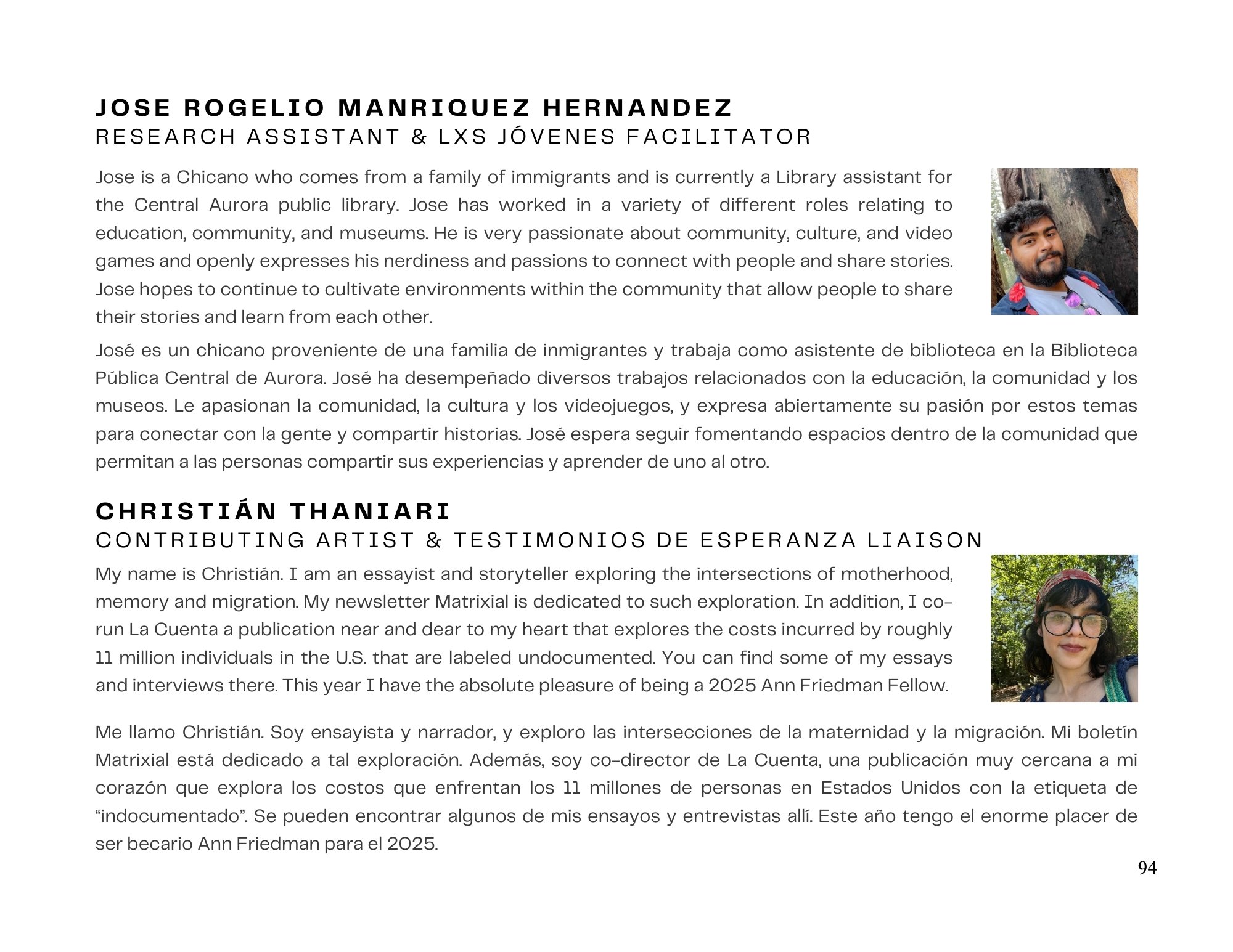
Together, Dr. Kristina Stamatis, Dr. Joseph Polman, Dra. Tania Hogan, doctoral candidate Marisa Mendoza-Maurer, and researcher Jose Rogelio Manriquez Hernandez joined Museo’s Lxs Jóvenes Leadership Lab to learn alongside the youth who made the art and curated the exhibit. The research study is called Nuestras Historias son sus Historias: Community Curation and Storytelling in Museums with Latine Youth. The Spencer Foundation agreed to fund it in 2024. Importantly, everything from exhibit to research was collaboratively designed with youth, artists, researchers, Museo staff, and educators from Denver Writing Project.
Stepping back, you may wonder how scholars study identity and learning in a program like this. For one and a half years, we have collected data: recordings and field notes from Lxs Jóvenes sessions, interviews with youth, and the art and other artifacts created by the youth.
We use these data to answer two research questions:
How do youth leverage and reimagine art-making and museum practices to bring their own family and cultural histories and stories into exhibits?
How does engaging in museum exhibit development and design contribute to youths’ identity development in relation to history and family?
Previous research shows that people benefit from understanding the historical meaning of their lives. We are particularly interested in Latine family and cultural connections, and how the current generation of youth stands on the shoulders of their elders and prior generations, to build their own lives and contribute to our collective futures. Hopefully, this work will improve educational programs like Los Jóvenes and contribute to our understanding of how people learn.
The exhibition and research reported here was made possible in part by a grant from the Spencer Foundation #202400132. The views expressed are those of the authors and do not necessarily reflect the views of the Spencer Foundation or our other sponsors.
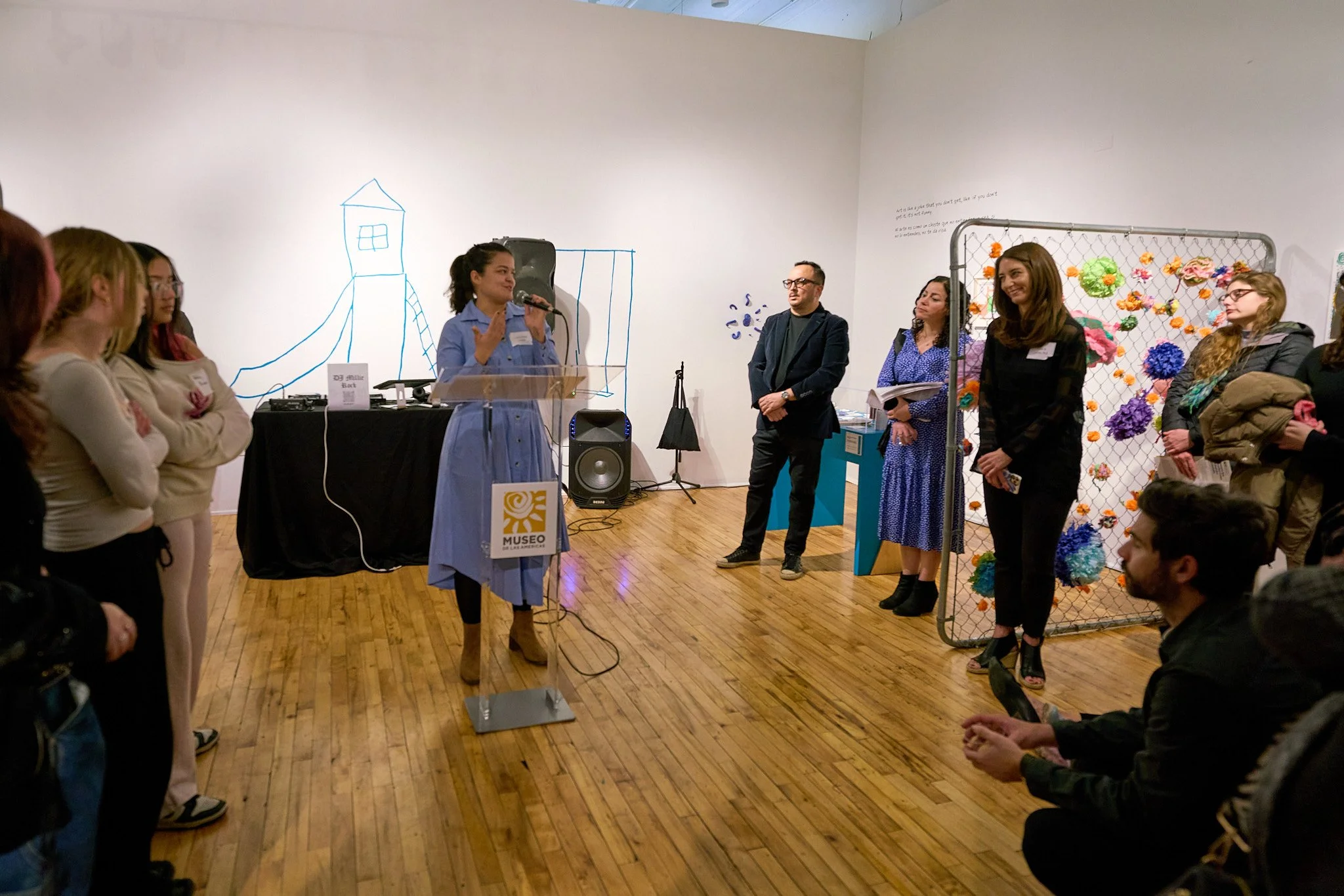
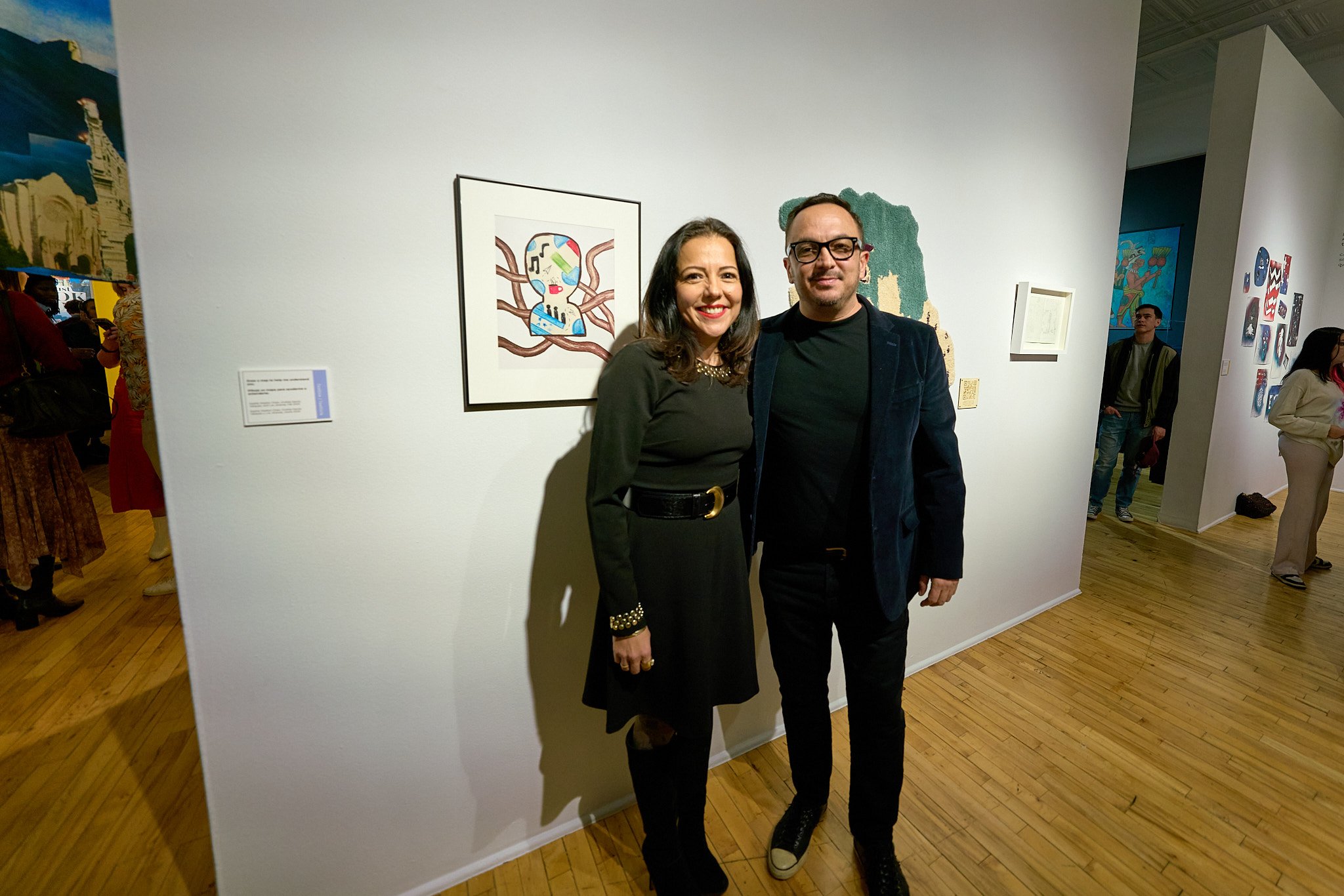
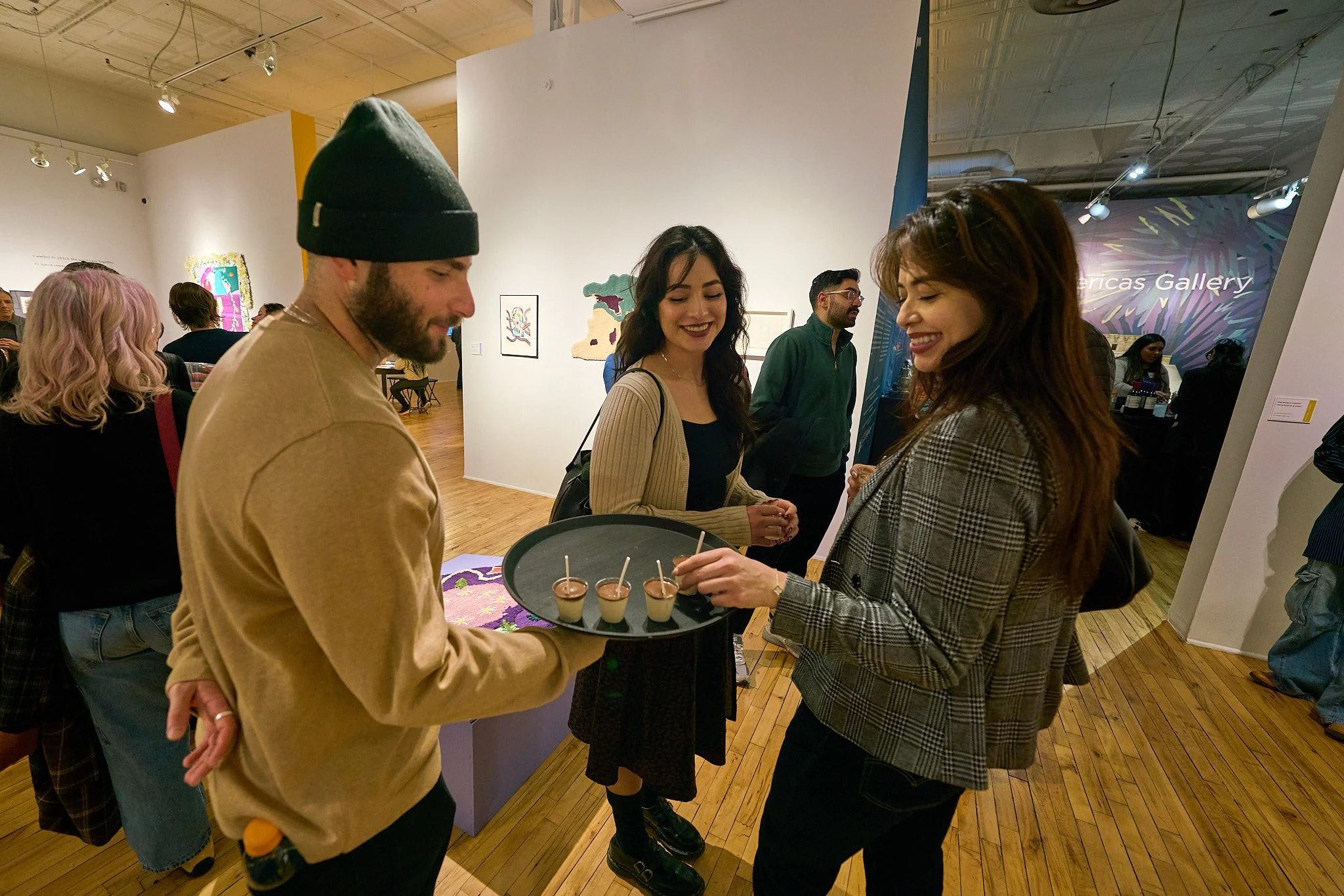
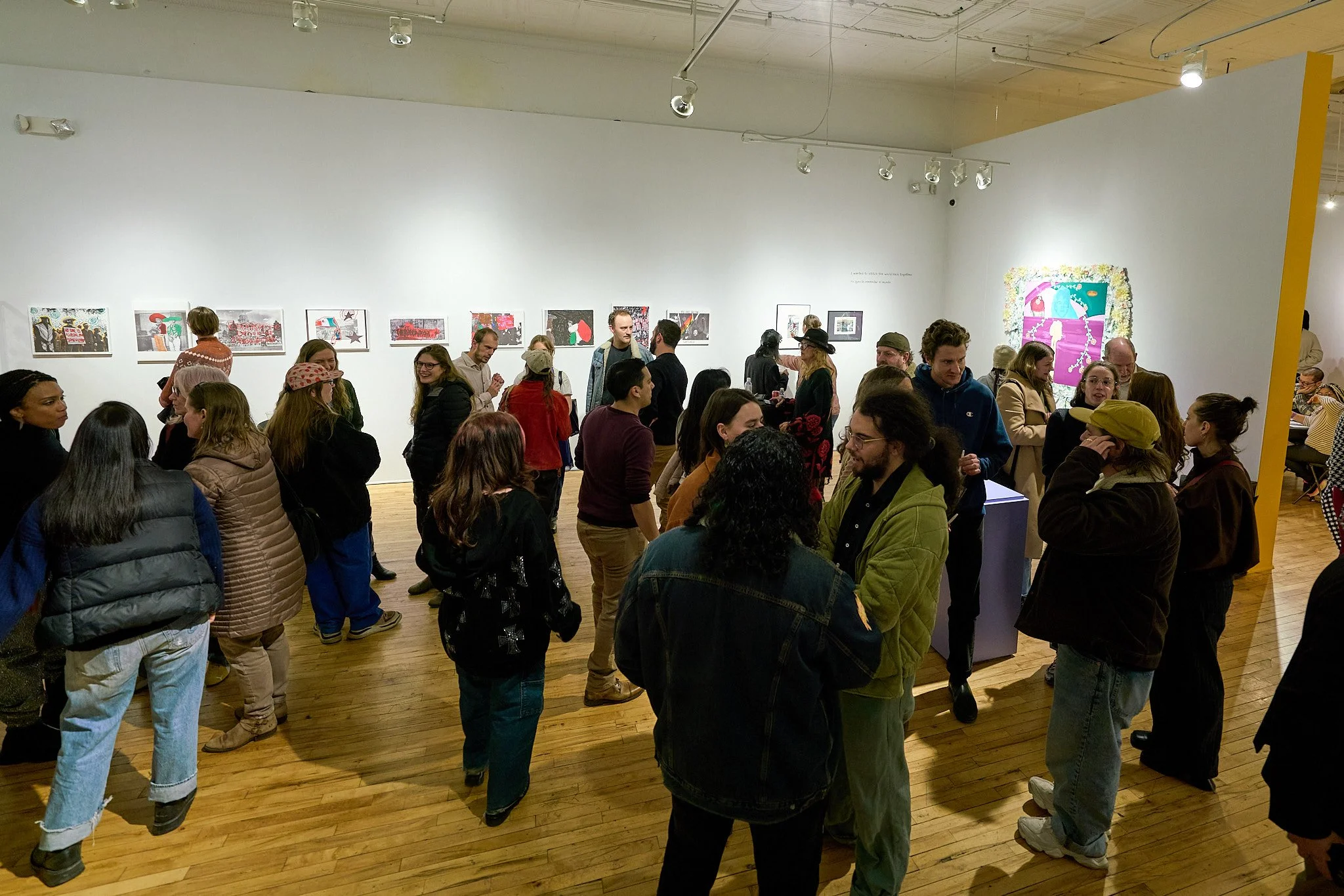
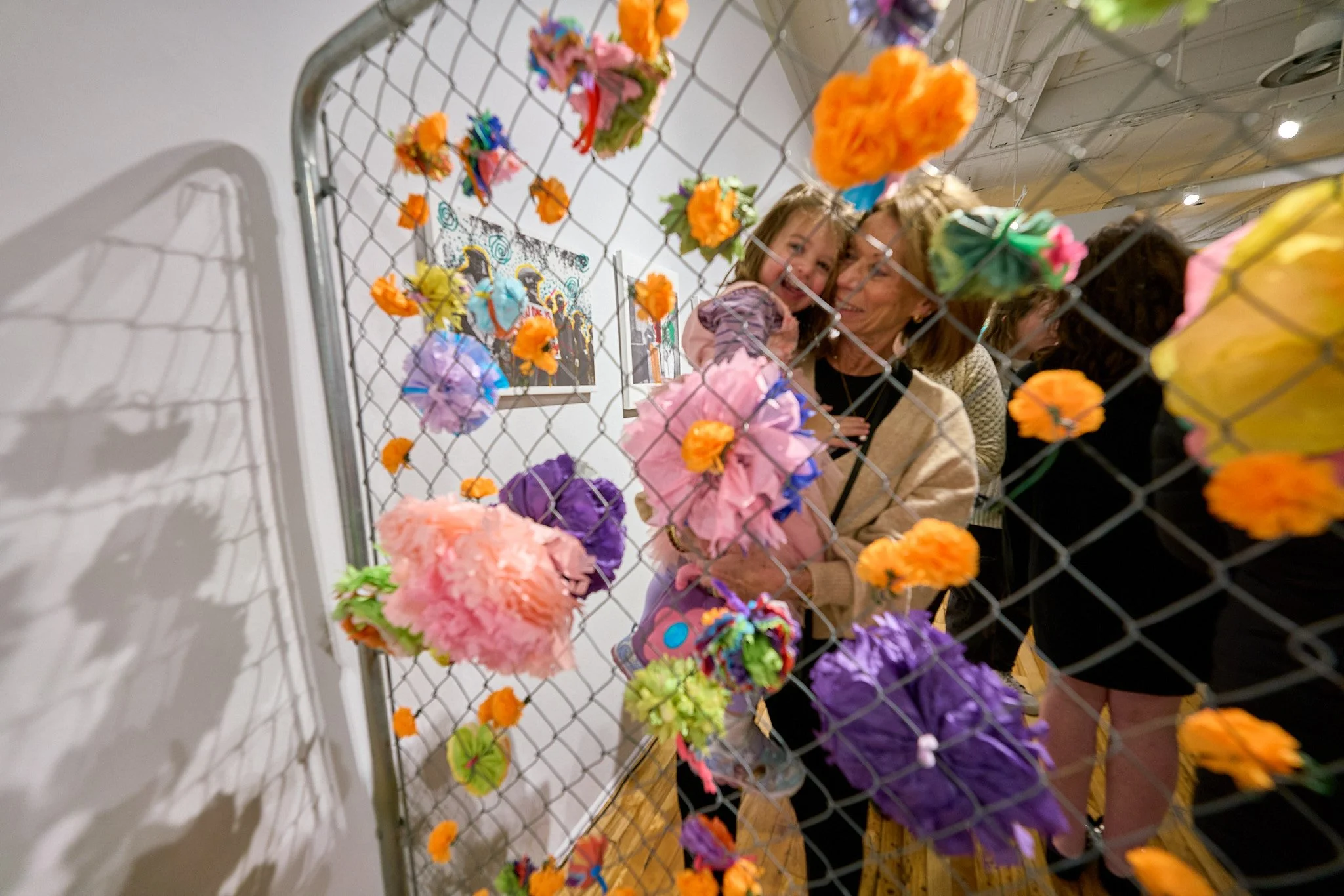
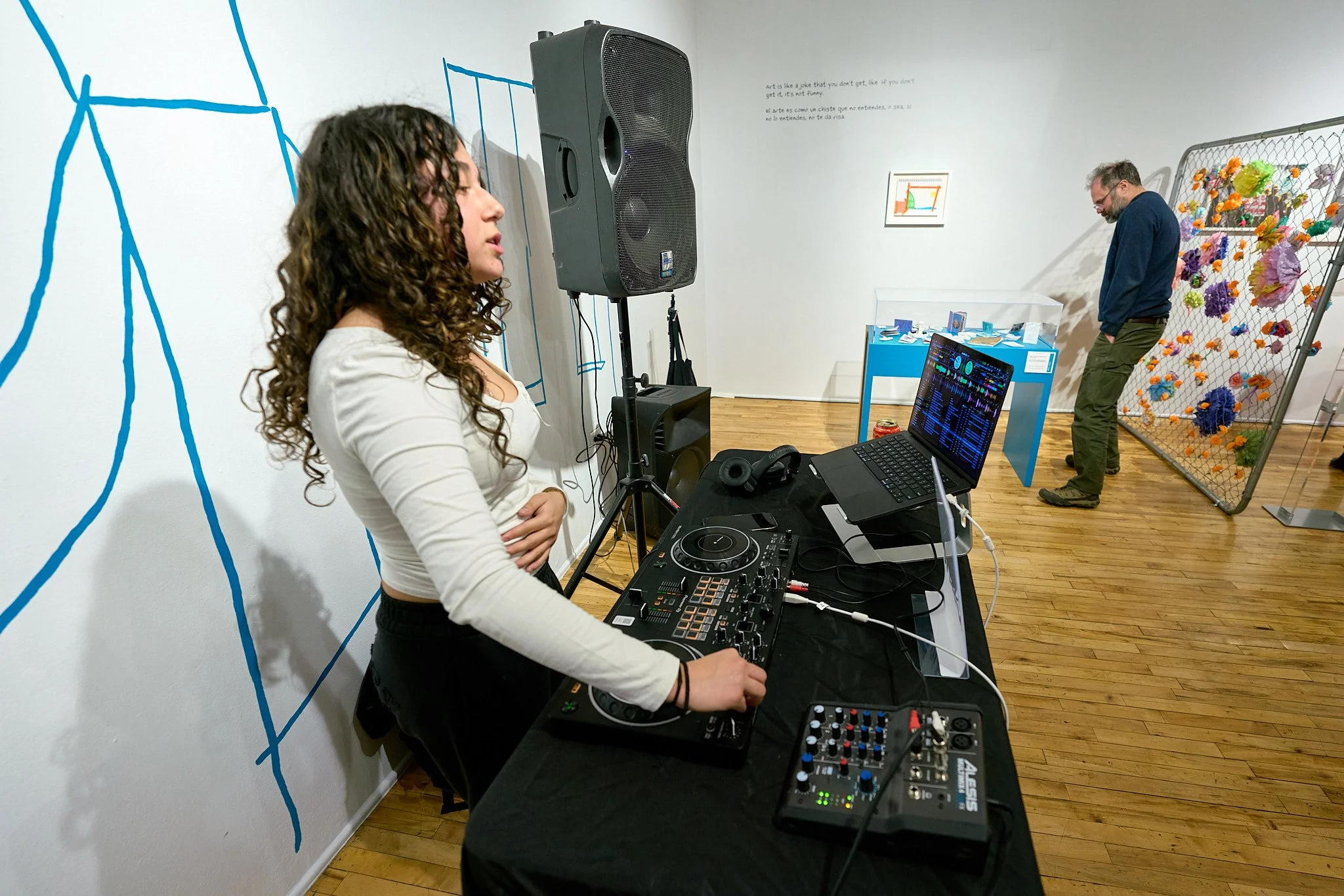
opening Night